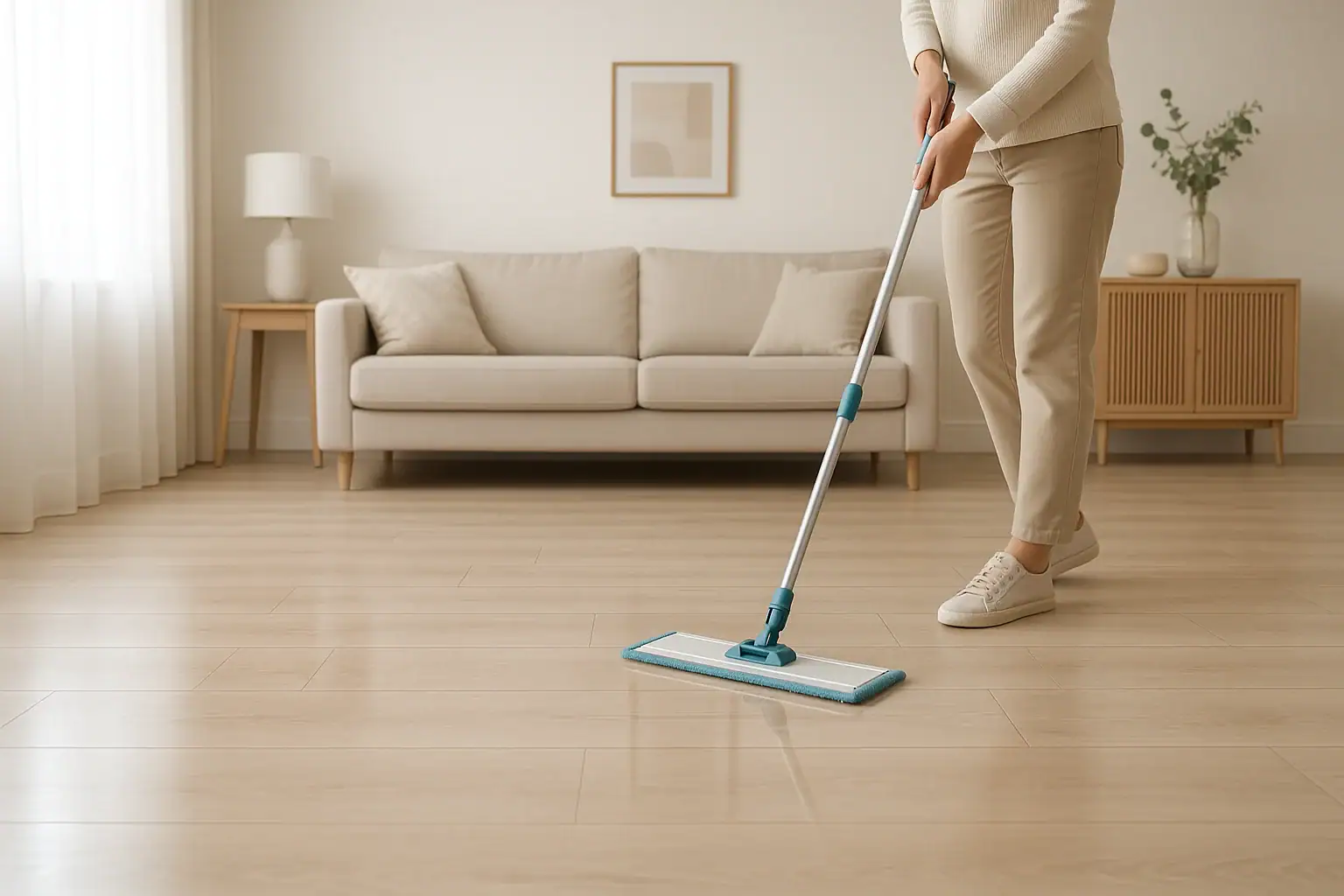
Laminated flooring is popular because it is durable, attractive, and easier to maintain than many other surfaces. But it also has one big downside: it shows streaks and smears very easily. If you have ever finished mopping and then watched the light hit your floor just right, you know how frustrating dull streaks, cloudy patches, and water spots can be. The right mop and technique can make the difference between a hazy, streaky floor and a smooth, low-sheen finish that actually looks clean.
This guide walks you through how to choose the best mop for laminate floors, which features matter most for streak-free results, and what to avoid so you do not accidentally damage the surface. Whether you are dealing with everyday dust, pet messes, or dried spills, you will find practical tips and mop types that fit your home, schedule, and budget.
What Laminate Floors Need From a Mop
Laminated planks are built in layers, with a decorative surface protected by a clear wear layer on top. That top layer is tough, but it is sensitive to standing water, harsh chemicals, and rough scrubbing. A good laminate mop should clean effectively without soaking or scratching the surface.
Key requirements for laminate-safe mops
- Minimal water use: The mop should leave the floor slightly damp at most, never wet or puddled.
- Gentle contact: Soft, smooth materials that will not scratch the wear layer.
- Even coverage: A flat, consistent surface that does not leave heavy streaks or lines.
- Good dirt pickup: Fibers that trap dust, hair, and fine debris instead of pushing it around.
- Easy wringing: A way to control moisture so you are not forced to mop with a dripping head.
When you keep these needs in mind, it becomes easier to compare different mop styles and understand which ones are truly best for laminate floors.
Best Types of Mops for Laminate Floors (Streak-Free)
Several mop styles can work on laminate, but some are better than others for a streak-free finish. Below are the top categories and how they perform.
1. Microfiber Flat Mops (Best Overall for Streak-Free Cleaning)
Microfiber flat mops are often the best all-around choice for laminate floors. They use a thin, flat pad that attaches to a low-profile base, making it easy to reach under furniture and along baseboards.
Why they are great for laminate:
- Excellent dust pickup: Microfiber fibers attract dust, hair, and fine dirt, which reduces the need for heavy scrubbing.
- Very low moisture: The flat pad can be wrung out thoroughly, leaving only a light dampness on the floor.
- Streak-free finish: The wide, even surface spreads cleaner uniformly, which helps prevent streaks and swirl marks.
- Washable pads: Most microfiber pads can be machine washed and reused many times.
Best for: Everyday cleaning, large open areas, homes with pets or kids, and anyone who wants a simple, low-chemical routine.
2. Spray Mops (Best for Quick, Convenient Cleaning)
Spray mops combine a flat mop head with a built-in solution reservoir and trigger sprayer. You control how much cleaner is sprayed in front of the mop as you go.
Why they work well:
- Controlled moisture: You spray a light mist only where needed, which protects laminate from excess water.
- Fast touch-ups: Ideal for spot cleaning spills, entryways, or high-traffic zones.
- Integrated design: No separate bucket, which makes it easier to mop more often.
Best for: Busy households, quick daily or weekly cleanups, and smaller spaces where dragging a bucket is inconvenient.
3. Microfiber String or Strip Mops (Best for Mixed Flooring)
Some homes have a mix of laminate, tile, and vinyl. Microfiber string or strip mops can be a good compromise if you want one mop for everything.
Pros for laminate:
- Flexible head: The strands or strips can reach into corners and around table legs.
- Good absorbency: Microfiber versions hold plenty of water but can also be wrung out well.
Things to watch:
- Make sure the wringer is effective so you are not leaving puddles on laminate.
- Avoid cotton-only string mops, which tend to hold more water and can leave streaks or lint.
Best for: Homes with multiple hard floor types where you want one mop for all surfaces, as long as you control the moisture on laminate.
4. Sponge Mops (Use With Caution)
Sponge mops can work on laminate, but they are not usually the first choice for a streak-free finish.
Pros:
- Built-in wringer makes it easier to squeeze out water.
- Can handle sticky spills when used with a light touch.
Cons:
- Sponge heads can hold more water than ideal for laminate.
- They sometimes leave visible lines or streaks as the sponge passes over the floor.
- Sponges can trap grit; if not rinsed well, this can lead to fine scratches.
Best for: Occasional use on small problem areas, not as your main mop if streak-free appearance is your priority.
5. Steam Mops (Generally Not Recommended)
Steam mops are popular for sanitizing hard floors, but they are usually not recommended for laminate. The combination of heat and moisture can cause swelling, warping, or separation at the seams over time.
If you still consider steam:
- Check your flooring warranty; many specifically warn against steam.
- Use the lowest setting and keep the mop moving constantly.
- Never let steam sit in one place or use it on damaged or gapped planks.
For most households, a good microfiber flat or spray mop is safer and more than sufficient to keep laminate floors clean and streak-free.
Features to Look For in the Best Mop for Laminate Floors
Once you know which mop style you prefer, focus on specific features that help prevent streaks and protect your floors.
1. Microfiber or Other Soft, Non-Abrasive Materials
Microfiber is ideal for laminate because it is soft yet effective at grabbing dirt and oils. Look for:
- Dense fibers: Thicker pads usually pick up more debris in a single pass.
- Low lint: Pads should not shed fibers that stay behind on the floor.
- Machine-washable: Washable pads save money and reduce waste.
2. Effective Wringing or Moisture Control
Too much water is the enemy of laminate. Good mops make it easy to keep things just slightly damp.
- Flat mops: Look for pads that can be wrung by hand or with a compatible bucket system.
- String or strip mops: A sturdy wringer bucket is essential to remove excess water.
- Spray mops: A fine mist sprayer gives you better control than a heavy stream.
3. Swivel Head and Low Profile
A mop that can pivot and lay nearly flat helps you clean under couches, beds, and cabinets without awkward bending. A low-profile head also makes it easier to maintain even pressure, which reduces streaks.
4. Reusable vs. Disposable Pads
Both reusable and disposable pads can work well on laminate.
- Reusable pads: Lower long-term cost, more eco-friendly, and usually thicker and more absorbent.
- Disposable pads: Convenient for quick jobs or messy cleanups, but can be more expensive over time.
If streak-free results are your priority, reusable microfiber pads often perform better because they hold more solution evenly and glide smoothly.
5. Adjustable Handle Length
An adjustable handle helps you maintain a comfortable posture and consistent pressure on the floor. When the handle is the right height, you are less likely to press too hard or drag the mop at an odd angle that can leave streaks.
Mops to Avoid or Use Carefully on Laminate
Certain mop types and habits can lead to streaks, residue, or even damage. Keep these cautions in mind.
Heavy Cotton String Mops
Cotton string mops are very absorbent, but they are not ideal for laminate floors.
- They hold a lot of water, which can seep into seams and cause swelling.
- They often leave lint behind, which shows up on darker finishes.
- They can leave uneven wet patches that dry into streaks or water spots.
Abrasive Scrub Pads
Scrubbing pads designed for tile or concrete can be too rough for laminate. Even if they do not leave visible scratches right away, they can slowly dull the protective layer and make streaks more noticeable over time.
Old, Worn-Out Mop Heads
Frayed or hardened mop heads do not glide smoothly and may push dirt around instead of lifting it. Replace mop heads or pads when they no longer rinse clean, feel rough, or leave visible marks as you clean.
How to Mop Laminate Floors Without Streaks
Even the best mop for laminate floors will leave streaks if the technique or cleaner is wrong. Follow these basic steps for a smooth, streak-free result.
Step 1: Dry Dust or Vacuum First
Always remove loose dirt before wet mopping.
- Use a dry microfiber mop, dust mop, or hard-floor vacuum setting.
- Pay attention to corners and along baseboards where grit collects.
- Removing grit first prevents fine scratches and muddy streaks.
Step 2: Use the Right Cleaner
Choose a cleaner that is labeled as safe for laminate or hard floors and is low in residue. Avoid products that promise a high shine or contain wax, oil, or polish, as they tend to leave a film that shows every footprint.
If you prefer a simple mix, use a very small amount of mild, floor-safe solution diluted with water, following the label directions carefully.
Step 3: Lightly Dampen the Mop Pad
With a flat or microfiber mop:
- Rinse the pad in your solution, then wring it out thoroughly until it is just damp.
- If you can squeeze water out easily, it is too wet for laminate.
With a spray mop:
- Fill the reservoir with your chosen solution, then test the spray on a small area.
- Adjust your trigger use so the floor looks lightly misted, not soaked.
Step 4: Mop in Sections
Work in small sections to control drying and reduce streaks.
- Start in a far corner and work toward an exit so you do not walk on wet areas.
- Move the mop in overlapping strokes, following the direction of the planks when possible.
- Rinse or replace the pad as soon as it looks dirty.
Step 5: Dry Any Wet Spots
Laminate should air-dry quickly if you used minimal moisture. If you see any wet patches or puddles, dry them right away with a clean, dry microfiber cloth or towel. This step helps prevent water damage and reduces the chance of streaks forming as the water evaporates.
Common Causes of Streaks on Laminate Floors
Understanding why streaks appear can help you correct your routine. If your floors still look cloudy after mopping, consider these possibilities.
Too Much Cleaner
Using more cleaner than recommended can leave a sticky film that attracts dust and shows footprints. Always follow the dilution instructions and resist the urge to add extra product.
Dirty Mop Pads
When mop pads get saturated with dirt, they start smearing it instead of removing it.
- Rinse or swap pads frequently, especially in high-traffic areas.
- Wash reusable pads without fabric softener, which can reduce absorbency and cause streaks.
Hard Water Spots
If your tap water is very hard, mineral deposits can leave faint spots or streaks as the water dries. To reduce this:
- Use distilled or filtered water in your bucket or spray mop.
- Buff the floor lightly with a dry microfiber cloth after mopping.
Residue from Old Products
Past use of waxes, polishes, or oil-based cleaners can leave a buildup that shows every mark. It may take several gentle cleanings with a residue-free laminate-safe cleaner and fresh microfiber pads to gradually remove this film.
How Often Should You Mop Laminate Floors?
The best schedule depends on your household, but these general guidelines work for many homes:
- Daily or every few days: Dry dusting or vacuuming to remove grit and hair.
- Weekly: Light damp mopping in high-traffic areas like kitchens, entryways, and hallways.
- Every two to four weeks: Damp mopping in low-traffic rooms such as bedrooms or guest spaces.
Spot clean spills as soon as they happen to prevent staining or swelling at the seams. It is better to mop lightly and more often than to wait until the floor is heavily soiled and then scrub aggressively.
Quick Comparison: Best-For Choices
Here is a simple way to match mop types to your needs.
- Best for streak-free everyday cleaning: Microfiber flat mop with washable pads.
- Best for quick touch-ups and small spaces: Spray mop with a fine mist and microfiber pad.
- Best for homes with mixed flooring: Microfiber string or strip mop with a good wringer.
- Best for sticky spills only: Sponge mop used very damp, then dried immediately.
- Least suitable for laminate: Steam mops and heavy cotton string mops.
Final Tips for Protecting Laminate Floors
A streak-free floor also depends on how you care for the surface between mopping sessions.
- Place doormats at entries to catch grit before it reaches the floor.
- Use felt pads under furniture legs to prevent scratches.
- Wipe up spills immediately with a soft cloth.
- Avoid dragging heavy items across the floor; lift and carry instead.
- Store your mop clean and dry so it is ready for the next use.
With the right mop, a gentle cleaner, and a light touch, your laminate floors can stay clean, streak-free, and attractive for years. Choose the mop style that best fits your home and routine, then build a simple cleaning habit that keeps your floors looking their best with minimal effort.
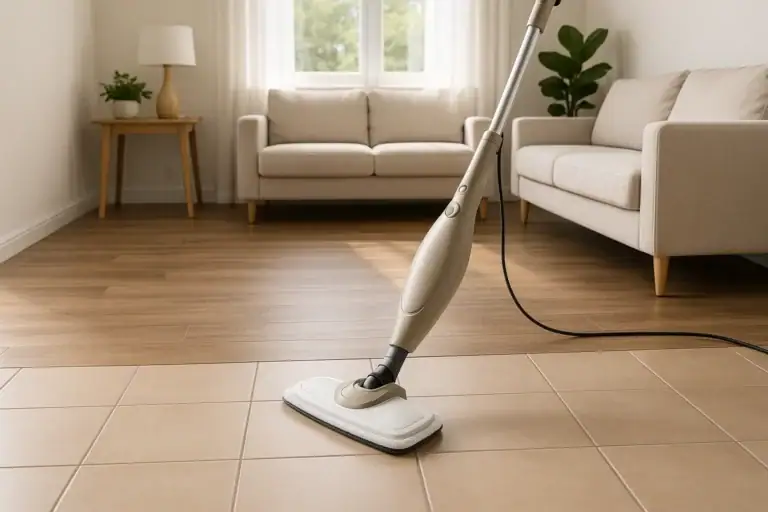 Is Your Floor Safe for a Steam Mop?
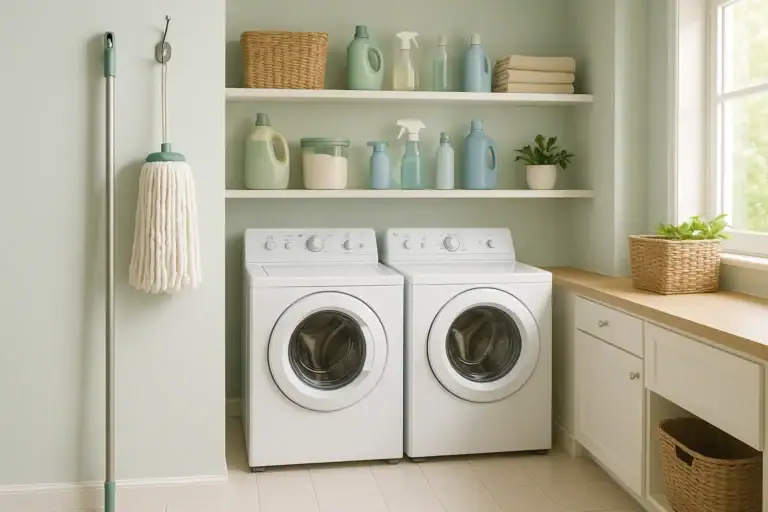 Mop Head Cleaning, Replacement, and Drying Habits: A Complete Guide
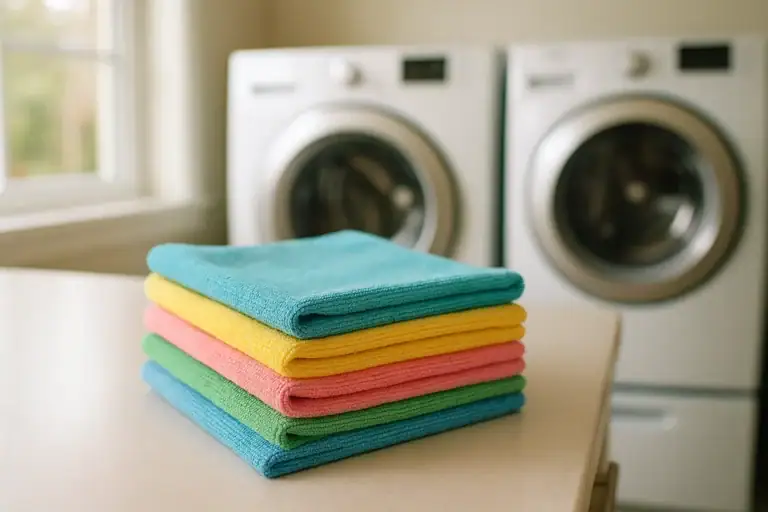 How to Wash Microfiber Cloths the Right Way