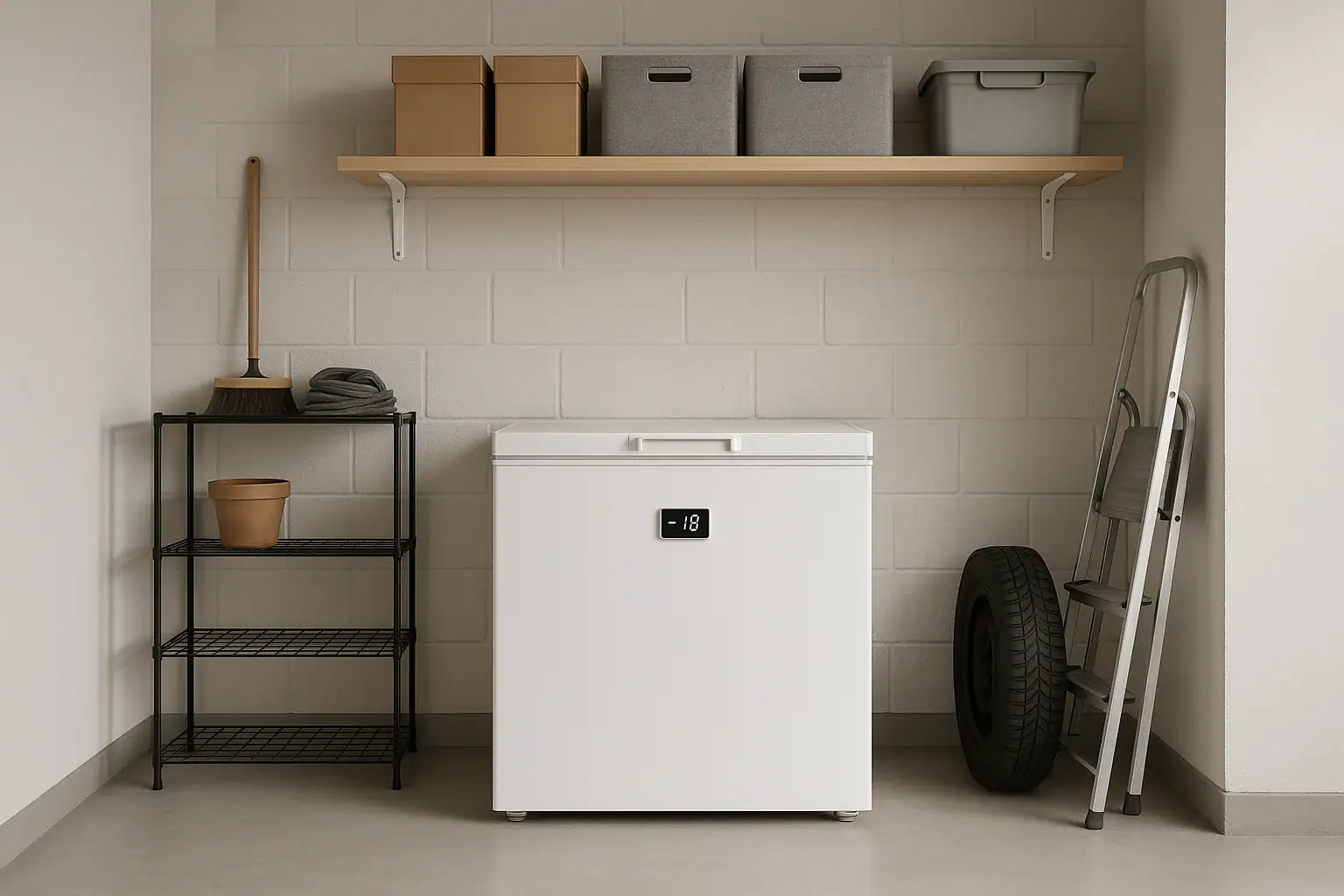
Why a Garage Freezer Needs a High Temperature Alarm
A garage freezer high temperature alarm is a simple device that warns you when the freezer gets too warm, so you can act before food thaws and spoils. In a garage, temperatures swing more than inside your home, and power or equipment problems are easier to miss. An alarm adds a layer of protection by alerting you when the freezer is no longer cold enough.
Most alarms use a sensor to monitor temperature (and sometimes power). When the reading crosses a limit you set, the alarm sounds a buzzer, flashes a light, or sends a phone alert, depending on the model. Choosing the right type and placing it correctly are the keys to getting reliable warnings.
How Garage Freezer Temperature Alarms Work
High temperature alarms for freezers fall into three broad types:
- Built-in freezer alarms – Some freezers include a panel that beeps or flashes when the interior gets too warm. These are convenient but usually only help if you are close enough to hear or see them.
- Standalone plug-in or battery alarms – A separate device with a temperature probe that sits inside or on the freezer. It may sound a local alarm, show a display, or send alerts through a hub or app.
- Smart home sensors – Temperature sensors that connect to Wi‑Fi or a smart hub and send notifications to your phone. Many can also integrate with a broader smart home or safety setup, like the systems covered in your smart home and safety planning.
In all cases, the sensor measures temperature and compares it to a threshold you set. If the temperature rises above that point for a certain amount of time, the alarm triggers.
Key Temperatures and Food Safety Basics
The main goal of a high temperature alarm is to protect food quality and reduce waste. For food safety guidance, the U.S. Food and Drug Administration on safe food handling and the USDA Food Safety and Inspection Service provide detailed recommendations. In general:
- Freezers should keep food at 0°F (-18°C) or below.
- Food that has thawed and stayed above 40°F for more than a short time may not be safe to refreeze or eat. When in doubt, follow official food safety guidance or consult your local extension service.
A high temperature alarm does not guarantee food safety, but it helps you notice problems early so you can decide whether to move food, cook it, or discard it based on official recommendations.
Choosing the Right High Temperature Alarm for a Garage Freezer
When you select an alarm for a garage freezer, focus on reliability, how you want to be alerted, and how it will handle garage conditions.
1. Decide how you want to receive alerts
- Local sound/light only – A buzzer or flashing light on or near the freezer. Best if you are often in or near the garage and want a simple, low-cost option.
- Phone notifications – Wi‑Fi or hub-based sensors that send push notifications, texts, or emails. Helpful if you travel, work outside the home, or cannot hear a garage alarm from inside.
- Integrated smart home alerts – If you already use smart home devices (for example, smart speakers or a security system), look for sensors that can tie into that ecosystem so you get spoken alerts or automations.
2. Check temperature range and accuracy
- Confirm the sensor can measure down to at least 0°F, preferably lower.
- Look for a clearly stated accuracy range (for example, ±2°F). Extreme precision is less critical than consistent, reliable readings.
3. Look at power and backup options
- Battery-powered alarms keep working during a power outage, as long as the batteries are fresh.
- Plug-in alarms may stop working if the outlet loses power, unless they include a battery backup.
- Some alarms can also notify you of a power loss, which is useful for garage circuits that may trip without you noticing.
4. Consider connectivity and range
- For Wi‑Fi alarms, make sure your home network reaches the garage reliably.
- For hub-based systems (Zigbee, Z‑Wave, or proprietary hubs), check the advertised range and whether you need a repeater between the house and garage.
5. Think about installation style
- Internal probe with external display – A thin wired probe passes through the door gasket or an existing opening, while the display and alarm stay outside the freezer.
- Fully internal sensor – A small sensor sits inside the freezer and sends data wirelessly to a base station or directly to Wi‑Fi.
- Door-mounted or wall-mounted units – Useful if you want to see temperature at a glance without opening the door.
Where to Place a Garage Freezer Temperature Sensor
Placement affects how quickly the alarm notices a problem and how many false alarms you get.
- Avoid the warmest and coldest spots – Do not place the sensor right next to the evaporator coils, fan, or door. These areas can swing more than the average temperature.
- Use the middle zone – Place the probe or sensor roughly in the middle of the freezer, away from walls and vents, if the cable or wireless range allows.
- Keep the probe clear – Do not bury a probe under heavy food packages. Air should be able to circulate around it.
- Protect cables and seals – If you run a probe wire through the door gasket, make sure the door still seals well. Pinched or damaged gaskets can cause frost buildup and higher energy use.
Setting a High Temperature Threshold
Most alarms let you choose the temperature that will trigger an alert. There is no single correct setting for every freezer, but these guidelines can help you decide:
- Start slightly above your normal temperature – If your freezer usually runs at 0°F, you might set the alarm around 10–15°F. This gives you time to respond before food fully thaws.
- Use any built-in delay features – Some alarms let you require a high temperature for several minutes before sounding, which can reduce alerts when you briefly open the door.
- Adjust based on your habits – If you open the freezer often, you may want a slightly higher threshold or longer delay to avoid nuisance alarms.
After initial setup, watch the readings for a few days and adjust the threshold or delay if you get frequent alerts during normal use.
Step-by-Step: Installing a Basic Garage Freezer Alarm
Always follow the manufacturer’s instructions first. The steps below outline a typical installation for a standalone alarm with a wired probe and external display.
- Unpack and inspect the alarm
Verify that you have the sensor, probe (if separate), mounting hardware, and instructions. Install any required batteries. - Decide on the display location
Choose a spot on the freezer door or nearby wall where you can easily see and hear the alarm. Avoid areas where it might get bumped or splashed. - Route the temperature probe
If the probe is wired, gently route it through the door gasket or an existing pass-through, following the manufacturer’s guidance. Make sure the door still closes and seals fully. - Position the probe inside
Place the probe in the middle area of the freezer, away from vents and walls. Use clips or included mounts to keep it from moving. - Mount the display or base unit
Use screws, adhesive pads, or magnets as provided. Confirm it is secure and visible. - Power on and set the threshold
Turn on the alarm, set your desired high temperature limit, and configure any delay or alert options. - Test the alarm
Follow the instructions for testing. Some alarms have a test button; others may require temporarily warming the probe with your hand to confirm the alert works.
Using Smart Home Freezer Alarms in the Garage
If you already use smart devices, a freezer alarm can fit into your broader smart home and safety plan:
- Wi‑Fi temperature sensors – These connect directly to your router and use an app to show temperature history and send alerts.
- Hub-based sensors – These connect to a smart home hub, which then sends notifications or triggers automations, such as turning on a light or announcing an alert through a smart speaker.
- Multiple sensors – If you have both a garage refrigerator and freezer, you can monitor each separately and label them in your app.
For any smart device in a garage, confirm that the operating temperature range in the manual covers your local climate. Some electronics may not perform reliably in very hot or very cold garages.
Reducing False Alarms and Nuisance Alerts
A well-set alarm should warn you about real problems without constantly going off. If you get frequent alerts that do not reflect actual issues, try:
- Repositioning the sensor – Move it slightly away from the door or vents where temperature swings are larger.
- Adjusting the threshold – Increase the high temperature limit a few degrees if alerts happen only during normal door openings.
- Using delay settings – Extend the time the temperature must stay high before the alarm triggers.
- Checking the door seal – A worn gasket can cause real temperature rises. If you see frost buildup or condensation, inspect the seal and consider replacement following the freezer manufacturer’s guidance.
What to Do When the High Temperature Alarm Sounds
When your garage freezer alarm goes off, act promptly but methodically:
- Confirm the temperature
Check the freezer’s built-in display (if available) or use a separate appliance thermometer to verify the reading. - Check power and connections
Make sure the freezer is plugged in, the outlet has power, and any breakers or GFCI outlets have not tripped. The U.S. Consumer Product Safety Commission’s electrical safety guidance is a useful reference if you are unsure about basic checks. - Limit door openings
Keep the door closed as much as possible while you troubleshoot to preserve cold air. - Look for obvious issues
Check for a door left ajar, heavy frost buildup blocking vents, or items preventing the door from sealing. - Decide how to handle the food
Follow current recommendations from the USDA or your local health authority regarding food that has partially thawed. When in doubt, official food safety guidance is more reliable than guesswork. - Call a professional if needed
If the freezer will not cool properly after basic checks, or if you suspect an electrical problem you are not comfortable handling, contact a qualified appliance technician or electrician.
Maintenance Tips for Reliable Freezer Alarms
To keep your garage freezer high temperature alarm dependable over time:
- Test the alarm regularly – Use the built-in test function monthly, or as recommended in the manual.
- Replace batteries on schedule – Note the battery type and change it at least as often as the manufacturer suggests, or sooner if the device shows a low-battery warning.
- Keep sensors clean and dry – Wipe off dust or frost from external displays and gently clear any ice buildup around internal probes.
- Review alert settings – If your household routines change, revisit thresholds and notification preferences so the alarm still matches how you use the freezer.
With a properly chosen and maintained high temperature alarm, your garage freezer becomes easier to trust, and you gain time to respond when something goes wrong instead of discovering spoiled food after the fact.
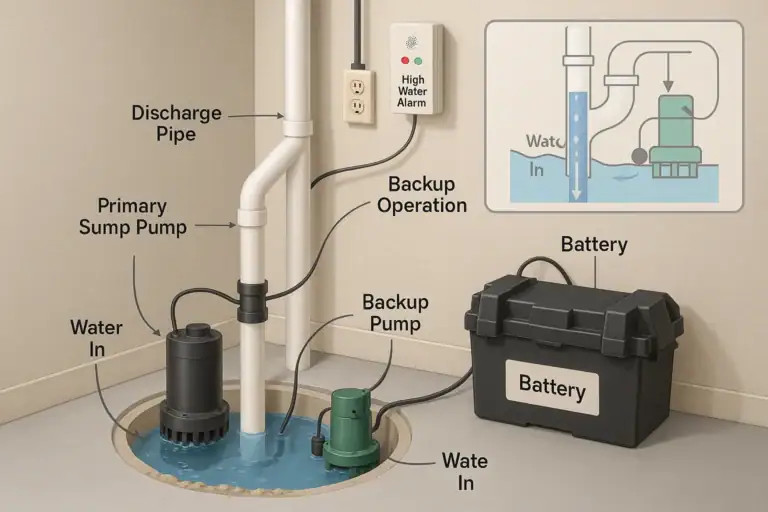 Sump Pump Alarm and Battery Backup Basics: A Practical Homeowner Guide
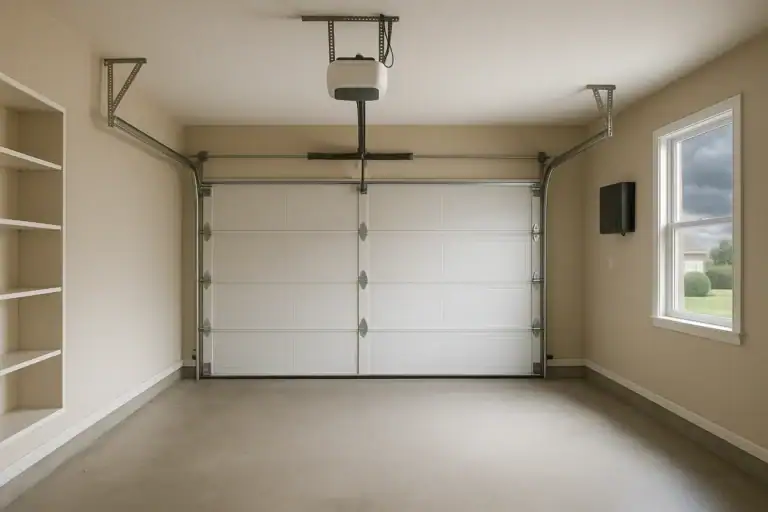 Garage Door Battery Backup Basics for Power Outages: A Practical Guide
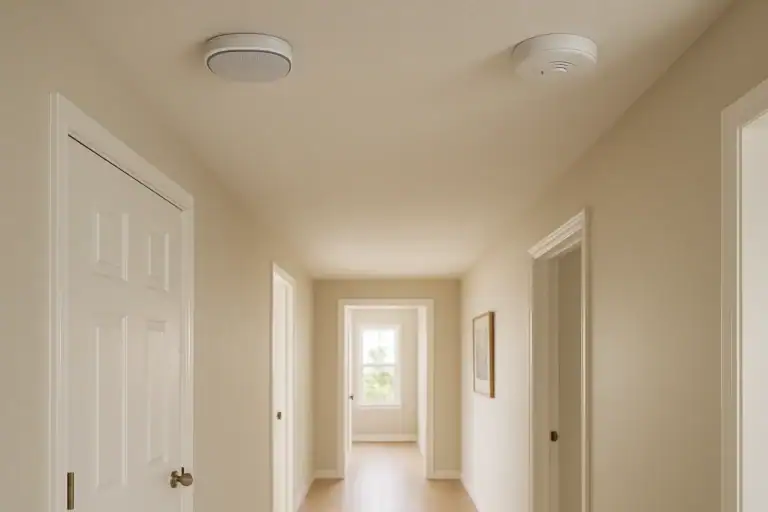 Smart Smoke Alarm vs Standard Smoke Alarm: Which Is Better for Your Home?