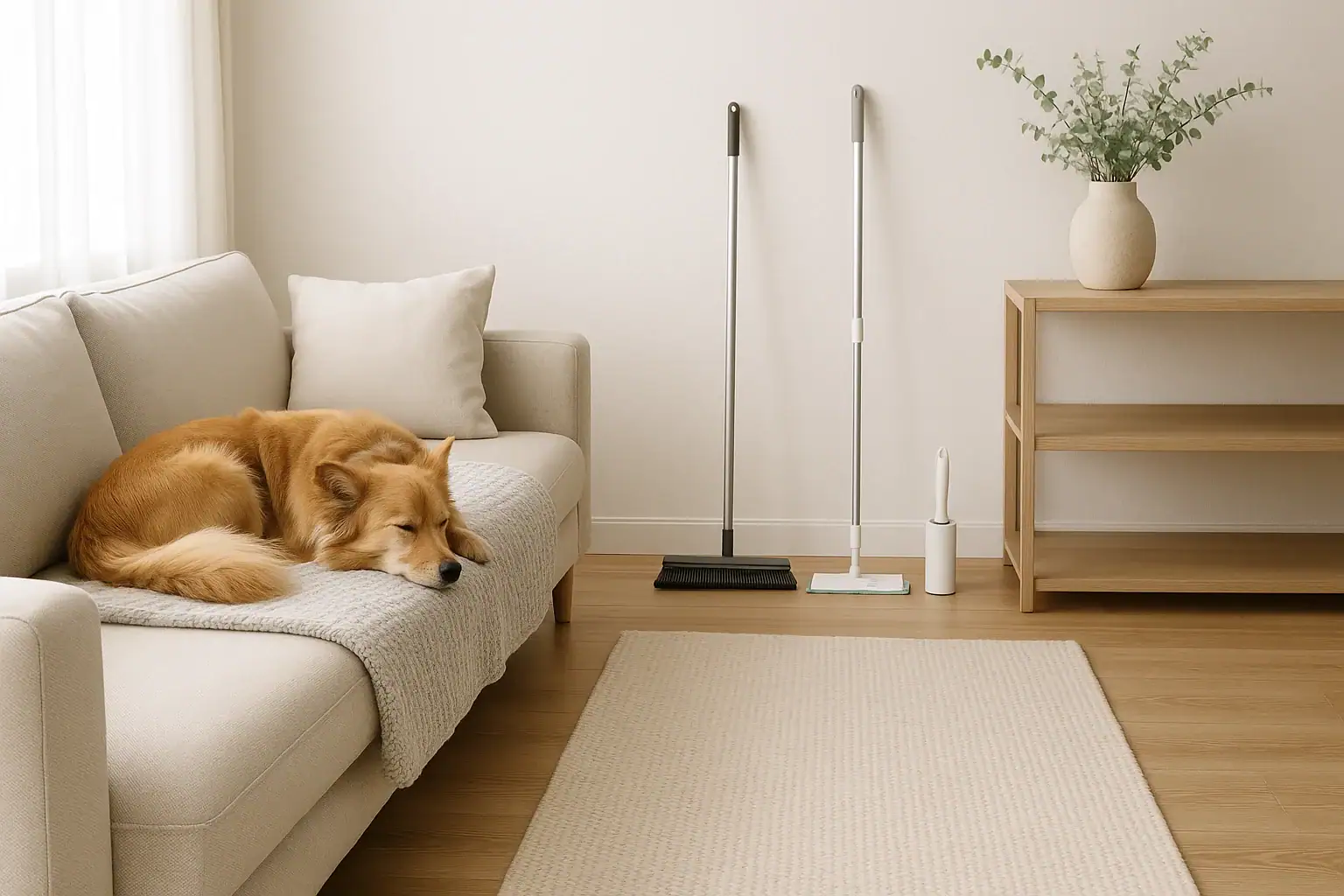
Sharing a home with furry companions often means sharing your space with their hair. It collects on floors, clings to furniture, and weaves itself into clothing and bedding. Even if you clean regularly, pet hair can feel like a constant battle. The good news is that with the right tools and a simple routine, you can keep pet hair under control without spending all weekend cleaning. This guide walks through the most effective tools for floors, furniture, and laundry, plus practical tips to make pet hair cleanup faster, easier, and more consistent.
Instead of chasing hair after it spreads through the house, you will learn how to target the areas where it gathers most and choose tools that match your flooring, furniture fabrics, and lifestyle. From low-tech options to more advanced tools, you can mix and match what works for you and build a realistic system that keeps your home comfortable for both people and pets.
How Pet Hair Behaves in Your Home
Understanding how pet hair moves and settles helps you choose the right tools and cleaning pattern. Pet hair is light, clingy, and easily carried by air currents and static. It rarely stays where it falls.
Common Places Pet Hair Collects
- High-traffic floors: Hallways, entryways, and around food and water bowls.
- Soft surfaces: Sofas, chairs, throw blankets, and pet beds trap hair deep in fibers.
- Textiles: Clothing, bedding, and towels collect hair in the wash and dryer.
- Hidden spots: Under furniture, along baseboards, and in floor vents.
Because hair behaves differently on hard floors, carpets, and fabrics, you will get better results if you use tools designed for each surface instead of relying on one device for your entire home.
Best Tools for Pet Hair on Hard Floors
Hard floors like wood, tile, laminate, and vinyl show pet hair quickly. The wrong tools can push hair around instead of removing it. These options help you collect hair efficiently without scratching or scattering it.
Rubber Brooms and Squeegee-Style Floor Tools
Rubber brooms and floor squeegees are excellent for gathering pet hair on smooth surfaces. The rubber bristles create friction that attracts hair and pulls it into clumps you can easily pick up.
Benefits:
- Works on wood, tile, and concrete without scratching.
- Pulls hair from gaps, corners, and along baseboards.
- Easy to rinse clean in a sink or tub.
Best use: Quick daily passes in high-shed areas such as hallways and around pet beds before you vacuum or mop.
Microfiber Dust Mops
Microfiber dust mops use static to attract pet hair and fine dust. They are lighter and quieter than vacuums, making them ideal for quick touch-ups.
Benefits:
- Reusable and washable pads reduce waste.
- Covers large areas quickly.
- Reaches under furniture and into corners.
Best use: Daily or every-other-day sweeps in main living areas, followed by a deeper vacuum once or twice a week.
Vacuum Cleaners with Hard-Floor Settings
For deeper cleaning, a vacuum with a hard-floor setting or a soft roller head is important. Standard rotating brushes can scatter hair and scratch delicate floors.
Look for these features:
- A dedicated hard-floor mode or brush roll that can be turned off.
- Strong suction along edges for baseboards and corners.
- Attachments for crevices and vents where hair collects.
Best use: Weekly deep cleaning of all hard floors, plus focused passes around pet feeding areas and entryways.
Best Tools for Pet Hair on Carpets and Rugs
Carpet and rugs trap pet hair deep in the pile, where it mixes with dust and dander. You need tools that can lift hair from fibers instead of just skimming the surface.
Vacuum Cleaners with Strong Suction and Adjustable Brush Rolls
For carpets, suction power and a well-designed brush roll matter more than any single advertised feature. The brush roll should agitate fibers without damaging them.
Helpful features:
- Height adjustment for different pile lengths.
- A tangle-resistant or easy-to-clean brush roll.
- Good filtration to capture fine dander and reduce odors.
Best use: Thorough vacuuming at least once a week, and more often in rooms where pets spend most of their time.
Manual Carpet Rakes and Rubber Carpet Brushes
Carpet rakes and rubber carpet brushes pull up embedded hair that vacuums sometimes leave behind, especially in high-pile rugs or older carpets.
Benefits:
- Loosens hair before vacuuming for a deeper clean.
- Helps revive flattened carpet fibers.
- Useful for spot-cleaning pet hangout areas.
Best use: Use before vacuuming in heavy-shed zones like around pet beds, near windows, and along favorite lounging paths.
Portable Spot Cleaners for Hair and Stains
While their main purpose is removing stains, portable spot cleaners can also help lift hair from carpeted stairs, car interiors, and small rugs when used with fabric-safe attachments.
Best use: Occasional deep cleaning of stairs, small area rugs, and pet accident spots to reduce lingering hair and odors.
Best Tools for Pet Hair on Furniture and Upholstery
Sofas, chairs, and cushions are magnets for pet hair, especially if your pet naps on them regularly. The right tools will remove hair without damaging fabrics or leaving sticky residue.
Upholstery Vacuum Attachments
Many vacuums include upholstery tools designed for fabric surfaces. These often have small brush heads or rubberized strips that help loosen hair.
Benefits:
- Reaches into seams, tufting, and cushion edges.
- Removes hair and fine dust in one step.
- Useful on mattresses and fabric headboards.
Best use: Weekly passes on sofas, chairs, and pet-approved furniture, plus a quick touch-up before guests arrive.
Reusable Lint and Hair Remover Brushes
Fabric-safe hair remover brushes with textured or directional surfaces are ideal for quick cleanups. They collect hair on the tool so you can discard it easily.
Benefits:
- No power or batteries required.
- Gentle on delicate fabrics like throw pillows and blankets.
- Portable for use in cars and offices.
Best use: Daily or as-needed swipes over favorite pet spots on furniture, car seats, and fabric storage benches.
Rubber Grooming Gloves for Fabrics
Grooming gloves designed for pets can double as fabric hair removers. When you run a slightly damp glove over upholstery, hair clumps together and lifts away.
Benefits:
- Conforms to curves and tight spaces on furniture.
- Works well on fabric lamp shades and soft headboards.
- Simple to rinse clean under running water.
Best use: Quick passes on furniture between deeper vacuum sessions, especially on arms, backs, and cushion edges.
Protective Covers and Throws
Removable covers and washable throws are not cleaning tools in the traditional sense, but they can dramatically cut down on hair embedded in upholstery.
Benefits:
- Catches hair on a removable layer you can wash.
- Protects furniture from claws, dirt, and spills.
- Easy to swap out when company comes over.
Best use: Place on your pet’s favorite napping spots and wash weekly or as needed, using the laundry tips in a later section.
Best Tools for Pet Hair in Laundry
Clothing, bedding, and towels can hold a surprising amount of pet hair. Without the right approach, hair transfers from one item to another in the washer and dryer. A few simple tools and steps can prevent that buildup.
Dryer-Safe Hair Catchers and Laundry Balls
Specially designed dryer balls and hair-catching accessories help loosen and trap hair while clothes tumble.
Benefits:
- Reduces hair left on clothing after drying.
- Helps prevent clumps of hair from sticking to the dryer drum.
- Reusable and easy to store with laundry supplies.
Best use: Add to every load that contains pet bedding, blankets, or heavily shed-on clothing.
Lint Rollers and Reusable Lint Tools
Lint rollers and reusable lint tools are useful before and after washing. Removing excess hair before clothes go into the machine reduces how much ends up in filters and drains.
Best use: Roll or swipe over clothing, blankets, and pillowcases before washing and again after drying if needed.
Washer and Dryer Maintenance Tools
Pet hair can clog filters and reduce the efficiency of your washer and dryer. Simple maintenance tools make it easier to keep appliances running well.
- Dryer vent brush: Helps clear lint and hair from vents and ducts.
- Filter cleaning brushes: Reaches into small spaces around lint traps.
- Vacuum crevice tools: Removes hair from behind and beneath machines.
Best use: Clean the dryer lint trap after every load and perform a deeper vent and filter cleaning every few months, especially if you wash pet bedding often.
Simple Pet Hair Cleanup Routines That Actually Work
The most powerful tool for managing pet hair is a realistic routine you can keep up with. Instead of marathon cleaning days, break tasks into short, repeatable steps.
Daily Quick-Action Routine (10–15 Minutes)
- Floors: Use a rubber broom or microfiber dust mop in main living areas and around pet beds.
- Furniture: Run a reusable lint brush or grooming glove over your pet’s favorite spots.
- Laundry staging: Shake out pet blankets or throws outside or over a tub to remove loose hair before tossing them in a hamper.
Weekly Deep-Clean Routine
- Vacuum all floors: Use hard-floor settings where needed and a brush roll on carpets and rugs.
- Detail furniture: Vacuum upholstery with the proper attachment, including under cushions.
- Wash covers and bedding: Launder removable furniture covers, pet beds, and throws using hair-catching tools in the washer and dryer.
- Check hidden zones: Vacuum along baseboards, under beds, and behind furniture where hair drifts.
Monthly and Seasonal Tasks
- Deep clean vacuums: Empty canisters, clean or replace filters, and clear hair from brush rolls.
- Refresh rugs and mats: Take small rugs outside to shake them out, then vacuum both sides.
- Inspect vents and filters: Check floor vents, air returns, and dryer vents for hair buildup.
Extra Tips to Reduce Pet Hair Buildup
While you cannot stop shedding altogether, a few small habits can reduce how much hair ends up on floors, furniture, and clothing.
Groom Pets Regularly
Regular brushing removes loose hair before it spreads around your home. For many pets, a few minutes of brushing several times a week makes a noticeable difference.
- Brush in an easy-to-clean area, such as on a hard floor or outside.
- Keep a small trash bag or bin nearby to collect hair immediately.
- Follow your veterinarian’s advice on grooming frequency for your pet’s coat type.
Create Pet-Only Zones
Designating certain furniture or rooms as pet-free can help you maintain at least one hair-light space. Use pet beds and blankets to encourage your pet to settle in specific spots.
Control Static and Humidity
Dry air increases static, which makes hair cling more stubbornly to fabrics and clothing.
- Consider a humidifier during very dry seasons to keep indoor humidity at a comfortable level.
- Use dryer settings that avoid over-drying fabrics.
- Choose natural fiber clothing when possible, as some synthetic fabrics attract more static and hair.
Putting It All Together
Managing pet hair is easier when you match the right tools to each surface and follow a simple routine. Use rubber brooms and microfiber mops on hard floors, strong vacuums and carpet rakes on rugs, fabric-safe brushes and upholstery tools on furniture, and hair-catching aids in the laundry. Combine these with regular grooming and small daily habits, and you can enjoy a comfortable, cleaner home without feeling like you are constantly fighting fur.
For more ideas to streamline cleaning and keep every room organized, explore the full home care and cleaning hub at Signature Home Guide Cleaning & Organization.
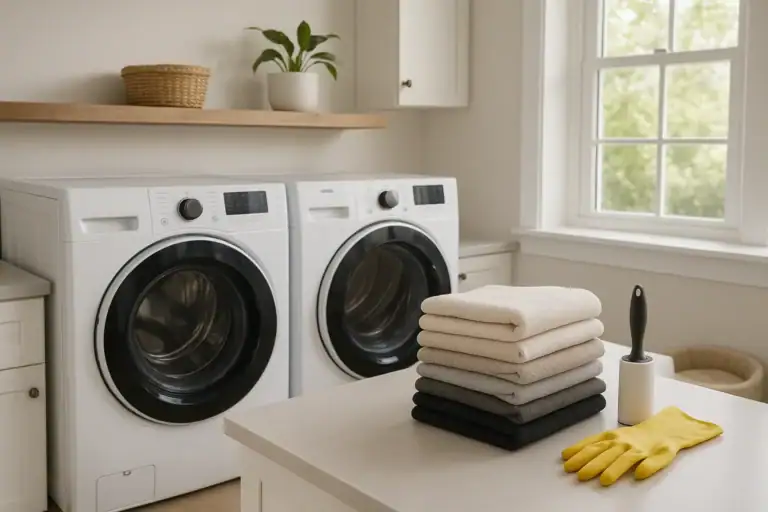 How to Remove Lint and Pet Hair from Laundry More Effectively
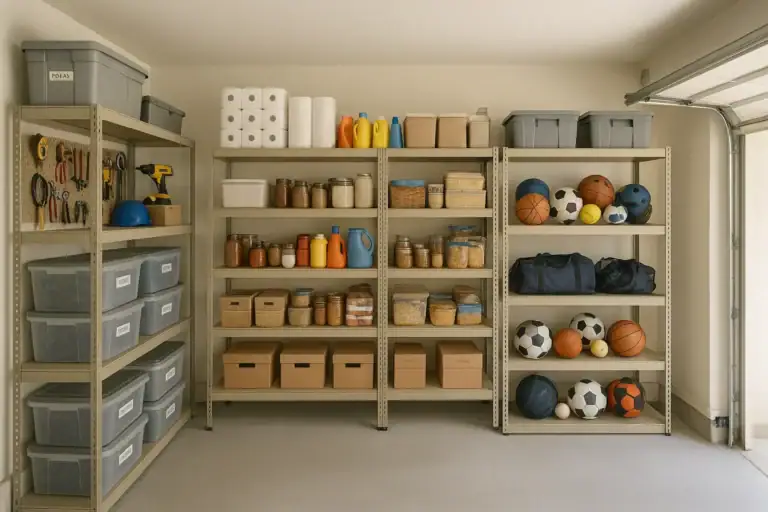 How to Create Smart Garage Shelf Zones for Tools, Sports Gear, and Household Backstock
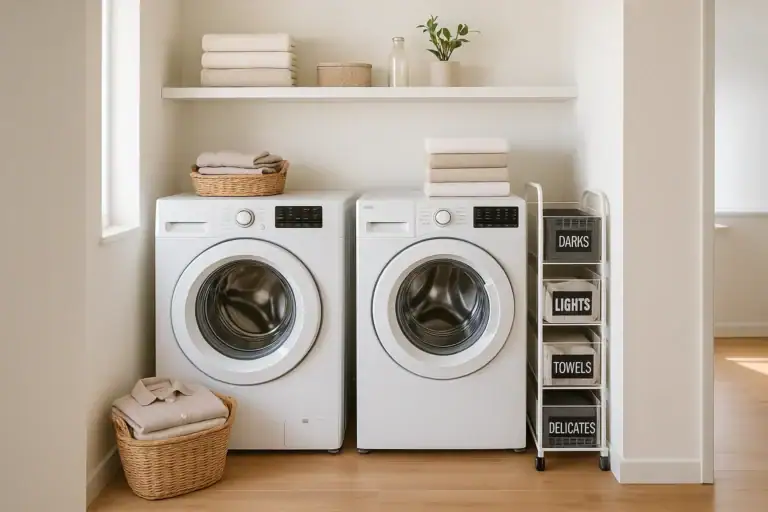 Laundry Sorting Systems for Small Households: Simple Ways to Stay Organized