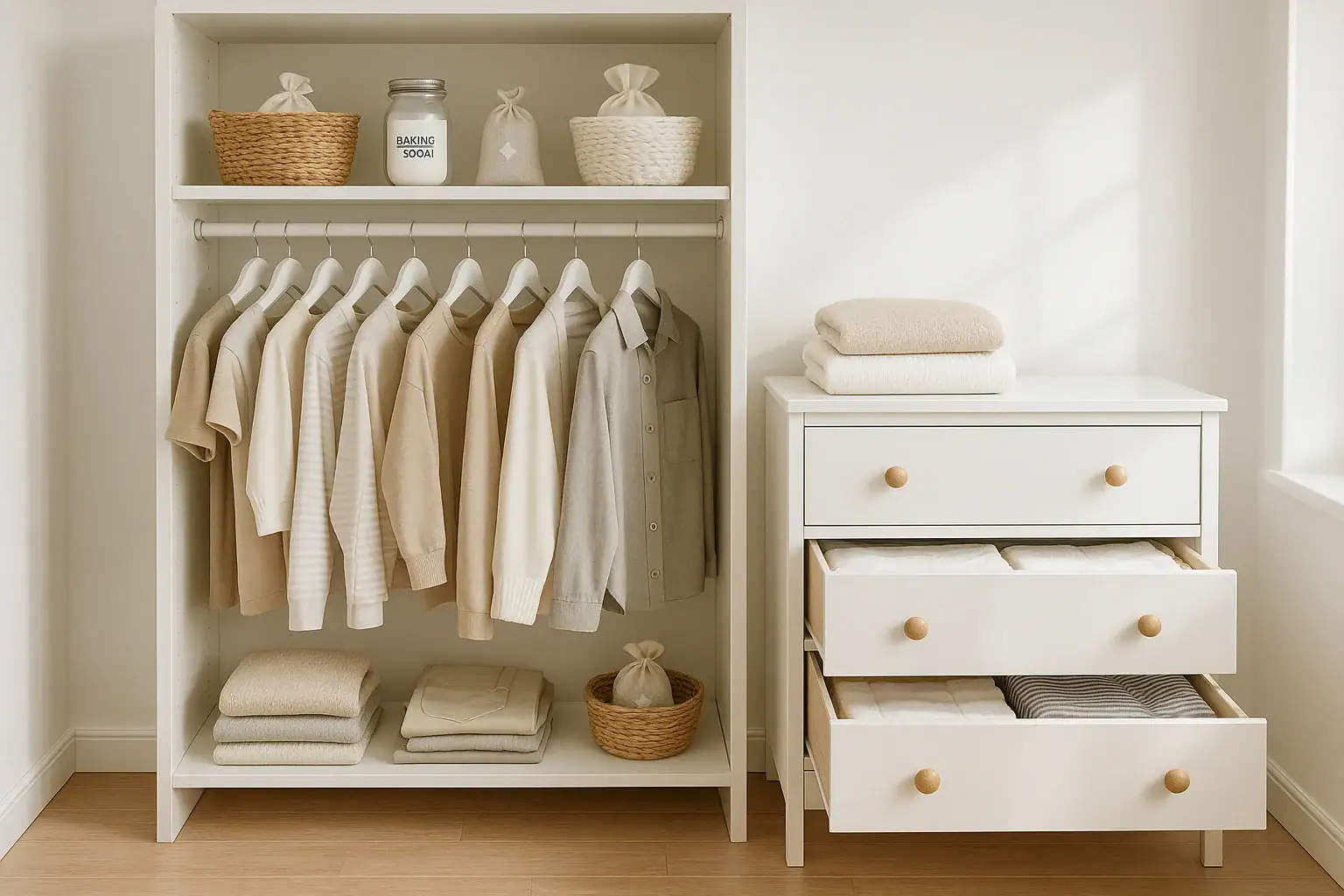
Opening a closet or dresser and being hit with a musty smell is frustrating. Clothes that look clean can still carry that stale, damp odor, and it can make your whole bedroom or hallway feel less fresh. The good news is that musty smells are usually a sign of a fixable problem: excess moisture, poor air circulation, or hidden buildup. With a little detective work and a step-by-step plan, you can clear the odor and keep it from coming back.
This guide walks you through exactly how to get rid of musty smells in closets and drawers. You will learn how to find the source of the odor, deep clean the space, freshen fabrics, and set up simple systems to prevent future smells. Most of the solutions use basic supplies you may already have at home, and you can tackle them over a weekend for a long-lasting fresh result.
Why Closets and Drawers Smell Musty
Musty smells almost always come down to moisture plus time. When fabrics, wood, or paper stay slightly damp without enough air flow, odor-causing microbes can grow and create that familiar stale scent. Understanding the cause helps you choose the right fix instead of just covering the smell.
Common causes of musty odors
- High humidity in the room: Warm, moist air gets trapped in closed spaces and cannot escape.
- Damp clothes or linens: Items put away before they are fully dry can sour inside drawers and closets.
- Dust and lint buildup: Dust, pet hair, and lint can hold onto moisture and odors over time.
- Old paper or cardboard: Shoe boxes, storage boxes, and old books can absorb moisture and smell musty.
- Previous water leaks: Past roof, plumbing, or window leaks can leave lingering moisture in walls, floors, or ceilings.
- Poor air circulation: Closets without vents or with tightly packed items do not allow air to move, trapping odors.
Once you know what might be causing the problem, you can target both the odor and its source so it does not return.
Step 1: Empty the Space and Inspect for Moisture
The first step in getting rid of musty smells in closets and drawers is to completely clear them out. This lets you inspect every surface and prevents you from sealing odor back in with your belongings.
How to clear and inspect a closet
- Remove everything: Take out all clothes, shoes, bags, boxes, and storage bins. Place them in a clean, dry area.
- Check walls and ceiling: Look for water stains, peeling paint, or discoloration that might signal a leak.
- Inspect the floor: Feel for damp spots on carpet, rugs, or wood. Look for darkened areas or warping.
- Look for mold or mildew: Check corners, baseboards, and shelving for black, green, or white spots or fuzzy patches.
- Notice any drafts or temperature changes: This can help you identify exterior walls or areas prone to condensation.
How to clear and inspect drawers
- Empty each drawer fully: Remove all clothing, papers, and liners.
- Check for stains or warping: Look at the bottom and corners of each drawer for signs of moisture damage.
- Smell the bare wood: If the wood itself smells musty, you will need to clean and air it out thoroughly.
- Inspect the back and underside of the furniture: Sometimes odors start behind or beneath a dresser or nightstand.
If you find active leaks, standing water, or extensive mold growth, address those issues first. For large or persistent mold problems, consider consulting a local professional for safe removal. For light mustiness and minor spots, you can usually handle the cleanup yourself.
Step 2: Clean Surfaces to Remove Odor-Causing Buildup
Once the closet or drawers are empty and inspected, the next step is a deep clean. Cleaning removes dust, residue, and light mildew that can trap smells. Use gentle methods that are safe for the materials in your home.
Cleaning closet walls, shelves, and floors
- Vacuum thoroughly: Use a vacuum with a brush attachment to remove dust, cobwebs, and lint from walls, shelves, corners, and the floor.
- Prepare a mild cleaning solution: Mix warm water with a small amount of gentle dish soap or an all-purpose cleaner, following label directions.
- Wipe all surfaces: Dampen a microfiber cloth or sponge in the solution and wipe walls, shelves, rods, baseboards, and doors. Avoid soaking surfaces; wring out excess liquid.
- Rinse with clean water: Wipe again with a cloth dampened in plain water to remove any cleaner residue.
- Dry thoroughly: Use a dry towel to remove surface moisture and leave the closet door open to air dry fully.
Cleaning wooden drawers and dresser interiors
- Vacuum dust and debris: Use a handheld vacuum or hose attachment to clean inside each drawer and along tracks and corners.
- Wipe with a mild solution: For finished wood, use a lightly damp cloth with a small amount of gentle soap and water. For unfinished wood, use as little moisture as possible.
- Address light mildew: If you see small mildew spots, wipe them with a cloth dampened in a mixture of water and a small amount of white vinegar. Test a hidden spot first to be sure it does not affect the finish.
- Dry completely: Wipe with a dry cloth and leave drawers open so air can circulate until no moisture remains.
Good cleaning removes much of the odor, but musty smells can linger in fabrics and porous materials. The next steps focus on refreshing those items.
Step 3: Wash and Freshen Clothes, Linens, and Soft Items
Clothing and linens stored in a musty space often absorb the odor. Even if they look clean, they may need to be washed or aired out to fully remove the smell.
Sorting items by care needs
- Machine-washable items: Everyday clothing, sheets, towels, and some blankets.
- Hand-wash or delicate items: Lingerie, certain sweaters, and delicate fabrics.
- Dry-clean-only items: Suits, structured dresses, and some specialty fabrics.
- Non-washable items: Some shoes, bags, and accessories that cannot be fully washed.
Refreshing washable fabrics
- Follow care labels: Always check the tag and use the warmest water temperature that is safe for the fabric.
- Do not overload the washer: Give items room to move so water can reach all areas.
- Add an odor-fighting boost if needed: If odors are strong, consider a second rinse cycle or an extra wash with a laundry booster designed for odors.
- Dry completely: Use a full dryer cycle or hang items to air dry until they are fully dry. Never store slightly damp fabrics.
Freshening items that cannot be fully washed
- Air them outdoors: Hang items in a dry, shaded area outside on a breezy day. Fresh air and time can greatly reduce musty smells.
- Use baking soda for shoes or bags: Sprinkle a small amount of baking soda inside, let it sit for several hours or overnight, then shake or vacuum it out.
- Spot clean as needed: Use a damp cloth and gentle soap solution on small areas, then let them dry completely.
Once fabrics are fresh and fully dry, keep them in a clean, dry place until the closet or drawers are completely odor-free and ready for restocking.
Step 4: Dry and Deodorize Closets and Drawers
After cleaning, the key is to remove any remaining moisture and use natural deodorizers to absorb leftover smells. This step helps neutralize odors instead of just covering them.
Improve airflow and drying
- Leave doors and drawers open: Keep closet doors and dresser drawers open for several hours or even a full day if possible.
- Use fans: Place a small fan nearby to move air into and out of the space.
- Control room humidity: If the room feels damp, run a dehumidifier or use your air conditioning to bring humidity down.
Use natural odor absorbers
Place simple odor absorbers in closets and drawers for a few days to pull out lingering smells.
- Baking soda: Fill shallow, open containers or small bowls with baking soda and place them on shelves or in drawers. Replace every few months as needed.
- Activated charcoal: Use small breathable pouches or containers filled with activated charcoal to absorb odors in tight spaces.
- Dry rice: In very damp areas, small bowls of uncooked rice can help absorb some moisture and reduce musty odors.
- Dried herbs or citrus peels: Once the main odor is gone, you can place small sachets of dried lavender, cedar chips, or thoroughly dried citrus peels to add a light, pleasant scent.
Allow these odor absorbers to sit in the empty closet or drawers for at least 24 to 48 hours before returning your belongings. If you still notice a strong musty smell, repeat the cleaning and deodorizing steps.
Step 5: Prevent Musty Smells from Returning
Once you have done the work to remove musty odors, a few simple habits can keep your closets and drawers fresh over the long term. Focus on controlling moisture, improving airflow, and storing items properly.
Control humidity and moisture
- Keep indoor humidity in check: Aim for indoor humidity between about 30 and 50 percent. Use a dehumidifier in damp basements or closets on exterior walls.
- Allow clothes to dry fully: Never put away items that are even slightly damp from washing, rain, or sweat.
- Address leaks quickly: Fix roof, window, or plumbing leaks as soon as you notice them to prevent hidden moisture.
- Use moisture absorbers in problem areas: In very damp closets, keep moisture-absorbing products on the floor or shelves and replace them as directed.
Improve airflow in closets and drawers
- Do not overfill: Leave some space between hanging clothes and avoid stuffing drawers so full that air cannot move.
- Rotate items seasonally: Store off-season clothing in breathable containers and give your closet a chance to air out during the change of seasons.
- Leave doors slightly open when possible: If privacy allows, keep closet doors cracked open to let fresh air circulate.
- Use vented storage: Choose baskets, fabric bins, or containers with ventilation instead of completely airtight plastic when moisture is a concern.
Store items so they stay fresh
- Use breathable garment bags: For special occasion outfits or coats, choose garment bags made from breathable materials instead of solid plastic.
- Avoid storing damp shoes: Let shoes dry fully before placing them in closets or under beds. Consider using shoe trees or stuffing with paper to help them dry.
- Skip heavy paper and cardboard in damp areas: Replace old cardboard boxes with plastic bins that have small ventilation options if humidity is an issue.
- Refresh odor absorbers regularly: Replace baking soda, charcoal, or other odor absorbers every few months or when you notice smells returning.
Special Situations: When Musty Smells Are Stubborn
Most musty odors respond well to cleaning, drying, and deodorizing. If you still notice a strong smell after repeating the steps, you may be dealing with a deeper issue.
When the wood itself smells musty
Older dressers, built-ins, or wooden closets can absorb odors over many years. To help refresh them:
- Lightly sand unfinished surfaces: For raw wood inside drawers, a light sanding can remove the top layer that holds odors. Wipe away dust thoroughly afterward.
- Seal the wood: Once dry and odor-free, consider applying a clear sealant that is safe for indoor use to help block future odor absorption.
- Use long-term odor absorbers: Keep small bowls of baking soda or charcoal in drawers for several weeks, replacing them as needed.
When odors come from walls or carpet
If the musty smell seems to come from behind closet walls or from carpeted floors:
- Check for hidden leaks: Look at the ceiling above, walls behind, and any nearby plumbing.
- Lift a corner of carpet if safe: If you suspect moisture under carpet, carefully check the padding for dampness or discoloration.
- Consider professional help: For recurring odors, large areas of mold, or suspected structural moisture, a local inspector or remediation specialist can identify and treat the source.
Simple Maintenance Routine to Keep Closets and Drawers Fresh
Once you have learned how to get rid of musty smells in closets and drawers, a quick monthly routine can help you stay ahead of future odors. You can combine these tasks with your regular cleaning schedule.
Monthly checklist
- Open closet doors and drawers wide for at least 15 to 30 minutes to air out.
- Quickly vacuum closet floors and the inside of drawers to remove dust and lint.
- Check for any damp items and remove them immediately.
- Shake out or refold clothes that have been sitting for a long time.
- Replace or refresh odor absorbers if they seem saturated or less effective.
Seasonal deep refresh
At least twice a year, such as in spring and fall, plan a deeper refresh:
- Sort through clothing and donate items you no longer wear to reduce crowding.
- Wipe shelves and closet rods with a mild cleaner.
- Wash or dry clean seasonal items before storing them away.
- Inspect for any new signs of moisture or mildew and address them promptly.
Bringing It All Together
Musty closets and drawers are not just an annoyance; they are a sign that moisture and stale air have been lingering too long. By emptying the space, cleaning thoroughly, drying completely, and using simple odor absorbers, you can clear out stubborn smells and protect your clothing and linens.
Going forward, focus on prevention: store only fully dry items, avoid overfilling storage spaces, and give closets and drawers a chance to breathe regularly. With these habits in place, your home will feel fresher, your clothes will smell cleaner, and you will not have to worry about that musty surprise each time you open a door or drawer.
If you are organizing other areas of your home, consider applying the same approach: remove everything, clean, dry, deodorize, and then restock thoughtfully. A little extra care now can keep your entire home smelling fresh and welcoming all year long.
 How to Clean Shower Door Tracks and Prevent Slime Buildup for Good
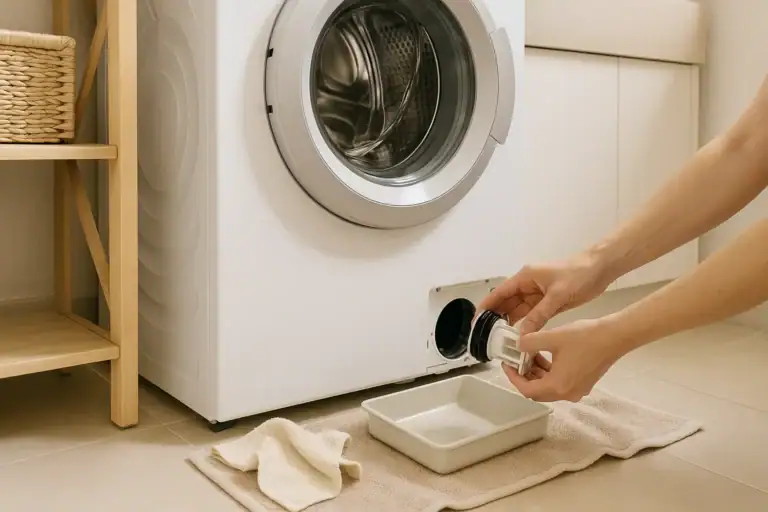 How to Clean a Washing Machine Drain Pump Filter
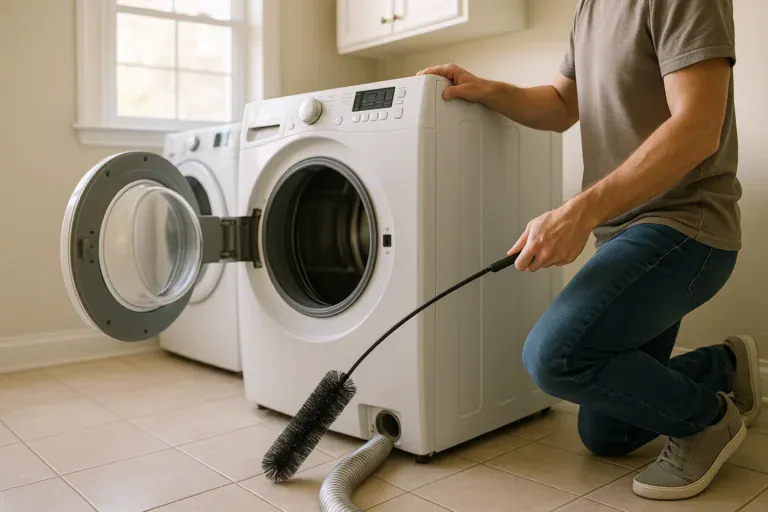 How to Clean a Dryer Vent Safely at Home