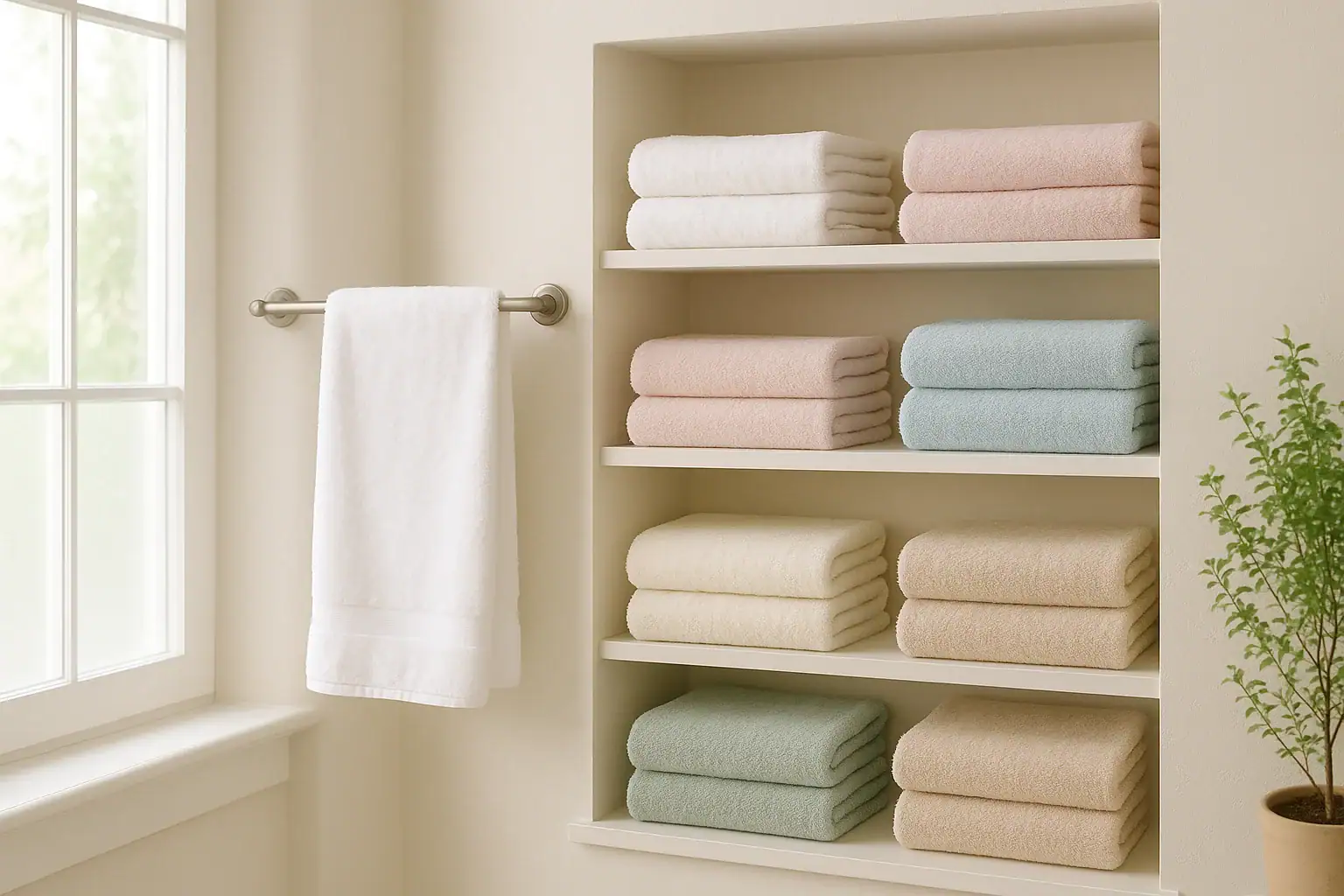
Few things are more disappointing than stepping out of a shower and reaching for a towel that feels scratchy or smells a little sour. Over time, even good-quality towels can turn stiff, lose their fluff, or develop that musty odor that never seems to wash out. The good news is that these problems almost always come from how towels are washed, dried, and stored, not from the towels themselves. With a few simple changes to your laundry routine, you can keep your towels soft, absorbent, and fresh for years instead of months.
This guide walks through exactly how to wash towels, what to avoid, and how to fix towels that already feel rough or smell bad. You will learn how much detergent to use, when to skip fabric softener, how to dry towels the right way, and how to store them so they stay fresh between washes. Whether you have a large family or just a couple of bath towels in rotation, these habits will help you enjoy soft, clean, odor-free towels every day.
Why Towels Get Stiff and Smelly
Understanding what causes rough texture and sour smells makes it easier to prevent them. Most towel problems come down to buildup and moisture.
Common reasons towels feel rough
- Detergent buildup: Using too much detergent leaves residue in the fibers, making towels feel stiff instead of fluffy.
- Fabric softener residue: Liquid softeners and dryer sheets can coat fibers, reducing absorbency and softness over time.
- Hard water minerals: Minerals like calcium and magnesium cling to towel fibers and create a rough, scratchy feel.
- Overdrying: High heat for too long can damage fibers, leaving towels feeling brittle instead of plush.
Why towels develop a sour or musty smell
- Staying damp too long: Towels left in a heap, in a washer, or on a hook without airflow can grow mildew and bacteria.
- Not drying fully in the dryer: If the inside of the towel is still slightly damp, odors can develop as it sits in the linen closet.
- Washing in cold water only: Cold water is gentle, but it may not fully remove body oils and buildup, especially for heavily used towels.
- Overloaded washer: When the washer is packed too full, towels cannot rinse properly, and odors stay trapped in the fibers.
The goal is to remove residue and moisture while protecting the fibers. The steps below focus on that balance so your towels stay soft, fluffy, and fresh.
How to Wash Towels So They Stay Soft
A simple, consistent washing routine makes the biggest difference in towel softness and smell. These steps work for most cotton bath towels, hand towels, and washcloths.
1. Sort towels by color and soil level
- Wash whites and lights together.
- Wash darks and brights together to prevent color transfer.
- Keep very dirty towels (gym, kitchen, cleaning) separate from lightly used bath towels.
Sorting helps towels rinse cleaner and prevents dinginess or gray tones over time.
2. Do not overload the washer
Give towels room to move freely in the drum. A good rule of thumb is to fill the washer no more than about two-thirds full when the towels are dry.
When towels are packed too tight:
- Detergent cannot circulate well.
- Rinse cycles are less effective.
- Odors and residue get trapped in the fibers.
3. Use the right amount of detergent
More detergent does not mean cleaner towels. In fact, it usually means more residue and stiffness.
- Use about half to three-quarters of the amount suggested on the detergent label for a regular load of towels.
- If you have soft water, you can usually use even less.
- If you have hard water, consider using a detergent labeled for hard water or adding a water conditioner, then still avoid overusing detergent.
4. Choose the best water temperature
Water temperature affects both cleanliness and longevity.
- Warm water is a good everyday choice for bath towels. It helps break down body oils and product residue without being too harsh.
- Hot water can be used occasionally for heavily soiled or sour-smelling towels to help sanitize and remove buildup.
- Cold water is gentler on colors, but if you always wash towels in cold, buildup and odor may be harder to control.
5. Skip liquid fabric softener and dryer sheets
It is tempting to use fabric softener for fluffy towels, but over time it can do the opposite.
- Softeners and dryer sheets coat the fibers.
- This coating reduces absorbency and can trap odors.
- It also contributes to that stiff, waxy feel after multiple washes.
Instead, rely on proper rinsing, correct detergent amounts, and good drying habits to keep towels soft.
6. Add a rinse booster if needed
To help remove residue and keep towels fresh, you can occasionally use common household boosters:
- White vinegar in the rinse cycle: Add about half a cup to the fabric softener compartment. It helps break down detergent residue and neutralize odors. It does not leave a vinegar smell once towels are dry.
- Baking soda in the wash: Add about a quarter cup directly to the drum with towels to help with odors and soften water slightly.
Use these once or twice a month for regular maintenance, or more often if you are dealing with hard water or persistent smells.
How to Dry Towels for Maximum Softness
Drying is just as important as washing when it comes to softness and odor control. Towels that dry too slowly or too harshly will either smell musty or feel rough.
1. Shake towels out before drying
After washing, give each towel a quick shake to fluff up the fibers and release wrinkles. This helps air and heat circulate more evenly in the dryer or on a drying rack.
2. Use the right dryer settings
- Choose a medium heat setting for most towels. High heat can damage fibers over time.
- Use a sensor dry setting if your dryer has one, so towels are not overdried.
- Avoid very short cycles that leave towels damp in the center.
3. Do not over-dry or under-dry
Both extremes cause problems:
- Over-drying makes fibers brittle and rough, and can cause shrinking.
- Under-drying leaves moisture trapped inside, which leads to sour or musty smells once towels are folded.
Check towels toward the end of the cycle. They should feel fully dry but not hot and crispy.
4. Improve softness with dryer balls
Instead of dryer sheets, use reusable dryer balls to help:
- Lift and separate towels for better airflow
- Reduce drying time
- Soften towels mechanically without coating the fibers
5. Line drying without stiffness
If you prefer to air-dry towels, you can still keep them fairly soft:
- Hang towels where there is good airflow and sunlight if possible.
- Give towels a firm shake once or twice as they dry to loosen the fibers.
- When almost dry, you can toss them in the dryer on low heat for 5–10 minutes to soften them up.
How to Prevent Sour Smells Between Washes
Even if you wash towels correctly, they can still develop a sour smell if they stay damp for too long in daily use. A few small habit changes can prevent this.
1. Hang towels to dry properly
- Always hang towels fully spread out, not bunched up on a hook.
- Use a towel bar, over-the-door rack, or drying rack so air can circulate.
- Avoid stacking damp towels on top of each other.
2. Give each person their own towel
Assigning a specific towel to each family member helps in two ways:
- Towels get used more evenly and have time to dry between uses.
- You can track which towels need washing more often.
3. Wash towels regularly
How often you wash towels depends on use and climate, but these are good general guidelines:
- Bath towels: Every 3–4 uses.
- Hand towels: Every 2–3 days, or daily in a busy bathroom.
- Washcloths: After each use or every day.
4. Never leave towels in a pile
Wet towels left in a laundry basket, on the floor, or in a gym bag will quickly develop a sour odor. If you cannot wash them right away, hang them up to dry first.
5. Keep the bathroom ventilated
Moist, steamy bathrooms slow down drying and encourage mildew.
- Run the exhaust fan during and after showers.
- Open a window or door when possible to let humidity escape.
- Avoid storing too many items on towel bars so air can move freely.
How to Fix Towels That Already Smell Sour
If your towels already have a stubborn sour or musty odor, a regular wash may not be enough. Use a deeper cleaning routine to remove buildup and refresh the fibers.
Step-by-step deep clean for smelly towels
-
Wash once with hot water and vinegar.
- Load towels into the washer without detergent.
- Set the machine to a hot water cycle.
- Add about one cup of white vinegar to the drum or detergent compartment.
- Run the full cycle.
-
Wash a second time with hot water and baking soda.
- Leave the same towels in the washer.
- Sprinkle about half a cup of baking soda directly into the drum.
- Run another hot water cycle, again without detergent.
-
Dry thoroughly.
- Dry towels on medium heat until completely dry.
- Do not let them sit in the washer or dryer after the cycle ends.
This two-step wash helps dissolve detergent residue, remove minerals, and neutralize odors. If the smell is very strong, you may need to repeat the process once more.
When to retire towels
Sometimes towels are simply worn out. Consider replacing them if:
- The fabric is very thin or frayed.
- There are holes or large snags.
- They still smell musty even after deep cleaning and thorough drying.
Old towels can be cut into cleaning rags for household chores, so they still get a second life.
How to Soften Rough or Scratchy Towels
If your towels feel rough but do not necessarily smell bad, the main issue is likely buildup or fiber damage. Try these steps to restore softness.
1. Strip towels to remove buildup
Stripping is a deeper cleaning method that removes detergent, softener, and mineral buildup. A simple version can be done in the washer:
- Wash towels in hot water with a small amount of detergent.
- Add about half a cup of washing soda or baking soda to the drum.
- Add about half a cup of white vinegar to the rinse compartment.
- Run an extra rinse cycle to be sure everything is flushed out.
Do this only occasionally, not every wash, to avoid unnecessary wear.
2. Adjust your regular routine
- Use less detergent going forward.
- Avoid fabric softeners and dryer sheets.
- Dry on medium heat instead of high.
- Use dryer balls to gently soften towels as they tumble.
3. Consider water hardness
If you live in an area with hard water, minerals may be a big part of the problem.
- Use a detergent designed to work well in hard water.
- Add a water conditioner or booster to towel loads, following package directions.
- Use vinegar rinses more regularly to help break down mineral deposits.
Storing Towels So They Stay Fresh
Even freshly washed towels can pick up a stale smell if they are stored in a damp or crowded space. A few storage tweaks can help them stay fresh between uses.
1. Make sure towels are completely dry
Never fold or stack towels that are even slightly damp. Moisture trapped in a linen closet or cabinet leads to musty odors and can encourage mildew.
2. Avoid overcrowding shelves
- Leave a little space between stacks of towels so air can circulate.
- Rotate towels so the ones at the bottom of the pile are used regularly.
- Do not pack towels tightly into bins or baskets without airflow.
3. Keep the storage area dry and clean
- Wipe down shelves occasionally to remove dust and moisture.
- Use a small moisture absorber if your closet tends to be humid.
- Avoid storing towels directly against exterior walls that feel damp or cold.
4. Refresh towels between washes
If towels sit in the closet for a long time, they may lose that just-washed smell. To freshen them:
- Give them a quick shake and hang them for an hour to air out.
- Run them through a short, warm rinse and dry cycle if they smell stale.
Simple Towel Care Routine to Follow
To keep towels soft and avoid that sour smell without overthinking it, use this basic routine:
- Wash towels every few uses in warm water with a moderate amount of detergent.
- Skip fabric softener and dryer sheets; use vinegar in the rinse occasionally.
- Dry on medium heat until completely dry, using dryer balls if you have them.
- Always hang towels fully open after each use so they dry quickly.
- Deep clean with vinegar and baking soda if towels start to smell or feel rough.
These small steps add up to a big difference in how your towels feel and smell. With a consistent routine, you can enjoy soft, fluffy, fresh towels every time you step out of the shower.
 How to Clean Shower Door Tracks and Prevent Slime Buildup for Good
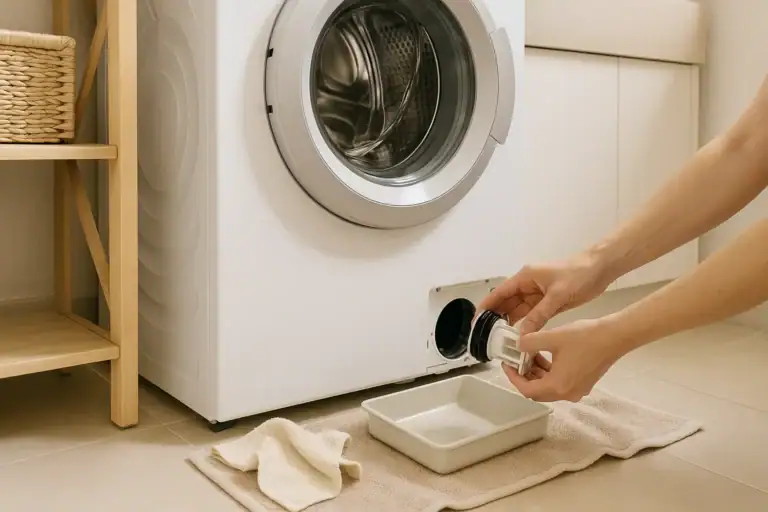 How to Clean a Washing Machine Drain Pump Filter
 Mop Head Cleaning, Replacement, and Drying Habits: A Complete Guide