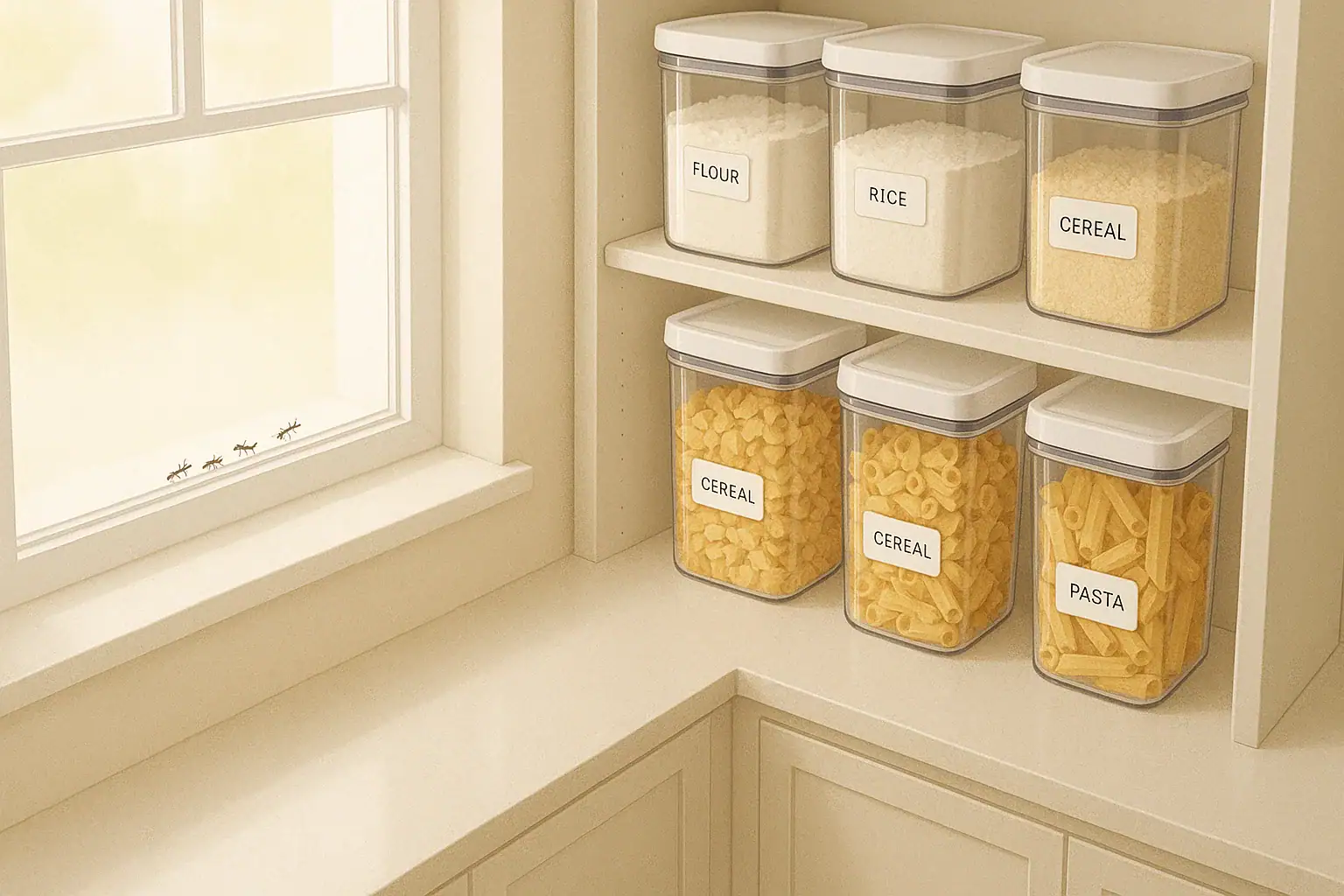
Seeing a trail of ants marching across your counter or discovering tiny bugs in your flour is frustrating and a little unsettling. The good news is that you do not need complicated routines or harsh chemicals to keep ants and pantry pests away. A handful of simple, consistent habits can make your kitchen and pantry far less inviting to unwanted guests. By focusing on cleanliness, smart food storage, and sealing up tiny entry points, you can prevent most problems before they start.
On this page(click to collapse)
- Understand What Attracts Ants and Pantry Pests
- Build Simple Daily Habits That Discourage Ants
- Smart Pantry Habits to Stop Pantry Pests
- Seal Entry Points and Reduce Hiding Spots
- Moisture Control: A Key Habit for Pest Prevention
- Organized Routines to Catch Problems Early
- What to Do If You Spot Ants or Pantry Pests
- Simple Habits That Make a Lasting Difference
- Related guides
This guide walks you through practical, easy-to-maintain habits that fit into a normal household routine. You will learn how ants and pantry pests find their way into your home, how to stop giving them what they are looking for, and how to keep your kitchen organized so you can spot issues early. These steps are simple enough for busy households and do not require special tools or professional help in most cases.
Understand What Attracts Ants and Pantry Pests
Before you can prevent ants and pantry pests, it helps to know what draws them in. Once you understand what they are looking for, your daily habits can be targeted and effective instead of overwhelming.
What Ants Are Looking For
Ants are social insects that send out scouts to search for three main things:
- Food: Especially sweets, oils, crumbs, pet food, and anything sticky or sugary.
- Water: Leaky pipes, damp sponges, pet water bowls, and condensation.
- Shelter: Cracks, gaps, and protected spaces where they can build or expand their colonies.
When a scout ant finds food, it leaves a scent trail for other ants to follow. That is why you might see just one ant one day and a whole line of them the next.
What Pantry Pests Are Looking For
Pantry pests are small insects that live and breed in dry foods. Common examples include moths, beetles, and weevils. They are typically attracted to:
- Flour, cereal, rice, and pasta
- Crackers, chips, and baking mixes
- Nuts, seeds, and dried fruit
- Pet food and bird seed
They often arrive in your home inside infested packages from the store. Once inside, they can spread quickly if dry goods are not well sealed or checked regularly.
Build Simple Daily Habits That Discourage Ants
Daily routines do not have to be long or complicated. Short, consistent habits are more effective than occasional deep cleaning when it comes to preventing ants.
1. Wipe Counters and Tables After Every Meal
Ants can find even tiny food residues. Make it a habit to wipe surfaces after preparing food and after each meal.
- Use a mild cleaning solution or warm soapy water.
- Pay attention to sticky spots, crumbs, and spills.
- Do a quick check under small appliances like toasters and coffee makers.
2. Sweep or Vacuum Crumbs Daily
Crumbs and food bits on the floor are an open invitation to ants.
- Sweep or vacuum the kitchen floor once a day, especially in high-traffic areas.
- Focus under the table, around the stove, and near the trash can.
- Use a handheld vacuum or small broom for quick touch-ups.
3. Rinse Dishes Instead of Letting Them Sit
Dirty dishes piled in the sink can attract ants overnight.
- Rinse plates and utensils soon after use, even if you cannot run the dishwasher right away.
- Scrape leftover food into the trash or compost bin.
- Try to avoid leaving sugary drinks in glasses on counters or tables.
4. Manage Trash and Recycling Carefully
Trash and recycling can provide food, moisture, and shelter for ants if not handled properly.
- Use a trash can with a tight-fitting lid in the kitchen.
- Empty kitchen trash regularly, especially if it contains food scraps.
- Rinse containers before placing them in recycling to remove sugary or greasy residues.
5. Wipe Up Pet Food Spills
Pet food is a common source of ant problems. Simple steps can keep it from becoming a magnet for pests.
- Place pet bowls on an easy-to-clean tray or mat.
- Wipe up spilled kibble and drips from water bowls daily.
- Avoid leaving wet food out for long periods; discard leftovers promptly.
Smart Pantry Habits to Stop Pantry Pests
Preventing pantry pests is mostly about how you store, rotate, and inspect your dry goods. Once you build a few simple habits, your pantry will stay cleaner and more organized as a bonus.
1. Transfer Dry Goods to Sealed Containers
Thin paper and plastic packaging are easy for pests to chew through. Moving foods into sturdier containers helps in two ways: it keeps new pests from entering and prevents any hidden pests from spreading.
- Use airtight containers for flour, sugar, rice, cereal, pasta, and baking mixes.
- Store nuts, seeds, and dried fruit in sealed containers or in the refrigerator for longer storage.
- Keep pet food in a lidded bin instead of in open bags.
2. Label and Date Everything
Labeling and dating your containers helps you use older items first and notice anything that looks off.
- Write the contents and the date you opened or purchased the item.
- Place newer items behind older ones on shelves.
- Use a simple marker or labels that are easy to update.
3. Inspect New Groceries Before Storing
Pantry pests often arrive in sealed packages. A quick check before storing can stop a problem before it spreads.
- Look for small holes, tears, or damaged packaging.
- Check for fine webbing, clumping, or tiny insects inside clear bags.
- If something looks suspicious, discard it outside the home and do not store it with other foods.
4. Keep Pantry Shelves Clean and Clutter-Free
A tidy pantry makes it easier to spot pests early and prevents crumbs from building up.
- Wipe pantry shelves every month with warm, soapy water and dry them thoroughly.
- Vacuum crumbs from corners, shelf edges, and along baseboards.
- Avoid stacking random bags and boxes; use bins to group similar items.
5. Use the First-In, First-Out Method
Rotating your food reduces how long items sit in the pantry, which lowers the risk of infestation.
- Place newly purchased items behind older ones.
- Plan meals around older ingredients first.
- Regularly check expiration dates and discard anything very old or questionable.
Seal Entry Points and Reduce Hiding Spots
Even with good cleaning and storage habits, ants and pests can still find ways in. Sealing entry points and reducing hiding spots makes your home less accessible and less comfortable for them.
1. Check for Gaps Around Doors and Windows
Ants and small insects can squeeze through tiny openings. A quick inspection a few times a year goes a long way.
- Look for light coming through gaps around doors and windows.
- Install or replace weatherstripping where needed.
- Use door sweeps on exterior doors to close gaps at the bottom.
2. Seal Cracks and Holes Along Walls and Floors
Cracks near baseboards, pipes, and cabinets are common entry points.
- Inspect areas where plumbing or cables enter the home.
- Use caulk or appropriate sealant to close small cracks and gaps.
- Pay attention to corners, behind appliances, and under the sink.
3. Reduce Clutter Near the Kitchen and Pantry
Stacks of boxes, bags, and papers provide hiding spots for pests.
- Keep the area around the pantry and kitchen floor as open as possible.
- Store rarely used items in sealed bins instead of open boxes.
- Avoid pushing furniture and appliances tightly against walls; leave a small gap so you can clean behind them.
Moisture Control: A Key Habit for Pest Prevention
Many pests, including ants, are drawn to moisture. Simple habits that keep your kitchen dry can make a big difference.
1. Fix Leaks and Drips Promptly
Slow leaks under sinks or behind appliances can go unnoticed but provide perfect conditions for pests.
- Check under sinks monthly for dampness or water stains.
- Repair leaky faucets and loose connections as soon as you notice them.
- Dry up any standing water around sinks, dishwashers, and refrigerators.
2. Dry Sponges, Cloths, and Mats
Wet cleaning tools and floor mats can stay damp for hours.
- Rinse and wring out sponges and cloths after use, then allow them to air dry.
- Hang dish towels instead of leaving them in a damp pile.
- Regularly wash and thoroughly dry kitchen rugs and mats.
3. Use Ventilation When Cooking
Steam from cooking and dishwashing can raise humidity levels.
- Use the range hood or open a window while cooking.
- Run the exhaust fan if your kitchen has one.
- Allow steam to escape before closing doors to nearby rooms.
Organized Routines to Catch Problems Early
Even with strong prevention habits, it is wise to have a simple routine for checking your kitchen and pantry. Catching a problem early makes it much easier to handle.
Weekly Quick Check
Once a week, spend a few minutes looking for signs of ants and pantry pests.
- Scan counters and backsplashes for stray ants or trails.
- Check around the trash can, under the sink, and near pet feeding areas.
- Look inside a few pantry containers for any movement or webbing.
Monthly Pantry Refresh
A short monthly routine keeps your pantry under control and makes it less likely that pests will go unnoticed.
- Choose one shelf at a time to remove items and wipe down.
- Vacuum crumbs and inspect corners and edges.
- Check expiration dates and group similar items together.
Seasonal Deep Look
Changes in weather can change pest activity. A seasonal check helps you adjust.
- Inspect window and door seals at the start of warmer months.
- Look for new gaps or cracks around the foundation and exterior walls near the kitchen.
- Review your habits and adjust anything that has slipped, such as daily sweeping or container use.
What to Do If You Spot Ants or Pantry Pests
Even with good habits, you might occasionally see ants or pantry pests. Acting quickly and calmly keeps a small issue from turning into a bigger problem.
If You See Ants
- Follow the trail to find where they are entering and what they are attracted to.
- Clean the area thoroughly with soapy water to remove the scent trail.
- Remove or seal the food source they found.
- Seal any visible cracks or gaps near the entry point.
If ants keep returning or you see large numbers, consider contacting a local pest control professional for guidance, especially if you suspect a nest inside walls or near the foundation.
If You Find Pantry Pests
- Identify and discard any infested items in sealed bags outside your home.
- Empty the affected shelves completely.
- Vacuum shelves, corners, and cracks thoroughly, then wipe with warm, soapy water and dry.
- Check all nearby containers and packages before returning them to the pantry.
Staying consistent with sealed containers and regular inspections will help prevent a repeat problem.
Simple Habits That Make a Lasting Difference
Preventing ants and pantry pests does not require perfection or constant deep cleaning. It comes down to a handful of simple habits practiced most of the time:
- Wipe surfaces and manage crumbs every day.
- Store dry goods in sealed, labeled containers.
- Keep trash, recycling, and pet food under control.
- Seal small entry points and reduce clutter.
- Check your pantry and kitchen on a regular schedule.
These habits not only keep pests away but also make your kitchen feel calmer, cleaner, and more organized. Choose one or two changes to start with, build them into your routine, and then add more as they become second nature. Over time, you will create a home environment that is naturally resistant to ants and pantry pests, with less stress and fewer surprises.
Recommended next:
Related posts
Browse this topic →
Scent Free Cleaning Routine for Sensitive Noses: A Practical Guide
How to Create Smart Garage Shelf Zones for Tools, Sports Gear, and Household Backstock
Laundry Sorting Systems for Small Households: Simple Ways to Stay Organized

How to Remove Water Stains on Glass Tables, Mirrors, and Shower Glass
How to Clean Under Appliances Safely Without Moving Everything
Charger Drawer Organization for Cables, Adapters, and Batteries
Keep reading
About this site
Signature Home Guide publishes practical, independent home guides. We aim to be clear, helpful, and transparent.
Affiliate disclosure
As an Amazon Associate, we earn from qualifying purchases. Some links on this site may be affiliate links. If you buy through these links, we may earn a small commission at no extra cost to you. This helps support our content. Learn more.