A safe, comfortable home is essential for older adults who want to stay independent. As we age, everyday tasks like getting out of bed, stepping into the shower, or walking down the stairs can become riskier. Falls are one of the most common causes of injury for seniors, but many of these accidents are preventable with thoughtful planning and the right tools. Today, simple home updates and smart technology can work together to reduce fall risks and provide quick alerts when help is needed.
This guide explains how to make each area of the home safer, step by step, and how to use smart alerts to support seniors and caregivers. You will learn practical, low-cost changes you can make right away, as well as more advanced options that add extra protection. Whether you are planning for yourself, a parent, or another loved one, you can use this guide to create a safer home with confidence.
Why Fall Prevention Matters for Seniors
Falls can happen to anyone, but they are especially serious for older adults. A simple trip over a rug can lead to broken bones, head injuries, or long hospital stays. Even when there is no major injury, a fall can cause fear and loss of confidence, which may lead to less activity and more isolation.
Understanding the most common risk factors is the first step in prevention:
- Balance and strength changes: Muscles naturally weaken with age, which can affect walking and stability.
- Vision and hearing issues: Poor lighting or difficulty seeing obstacles can increase the chance of tripping.
- Medications: Some prescriptions can cause dizziness, drowsiness, or low blood pressure.
- Home hazards: Clutter, loose rugs, cords, and slippery floors are common causes of falls.
- Chronic conditions: Conditions such as arthritis, diabetes, or heart disease can affect mobility and balance.
Fall prevention is not about taking away independence. It is about removing hazards, adding support, and using tools like smart alerts so seniors can stay active and safe in their own homes.
Step 1: General Home Safety Checklist for Seniors
Before looking at specific rooms, it helps to do a general safety check throughout the home. Walk through each area and look for anything that could cause a trip, slip, or delay in getting help.
Clear Pathways and Reduce Clutter
- Keep walking paths at least three feet wide so a cane, walker, or wheelchair can move easily.
- Remove stacks of magazines, boxes, and small furniture from hallways and near doorways.
- Secure or remove loose rugs, especially in high-traffic areas.
- Move electrical cords so they do not cross walkways.
Improve Lighting Throughout the Home
- Add bright, even lighting in hallways, stairs, bathrooms, and entryways.
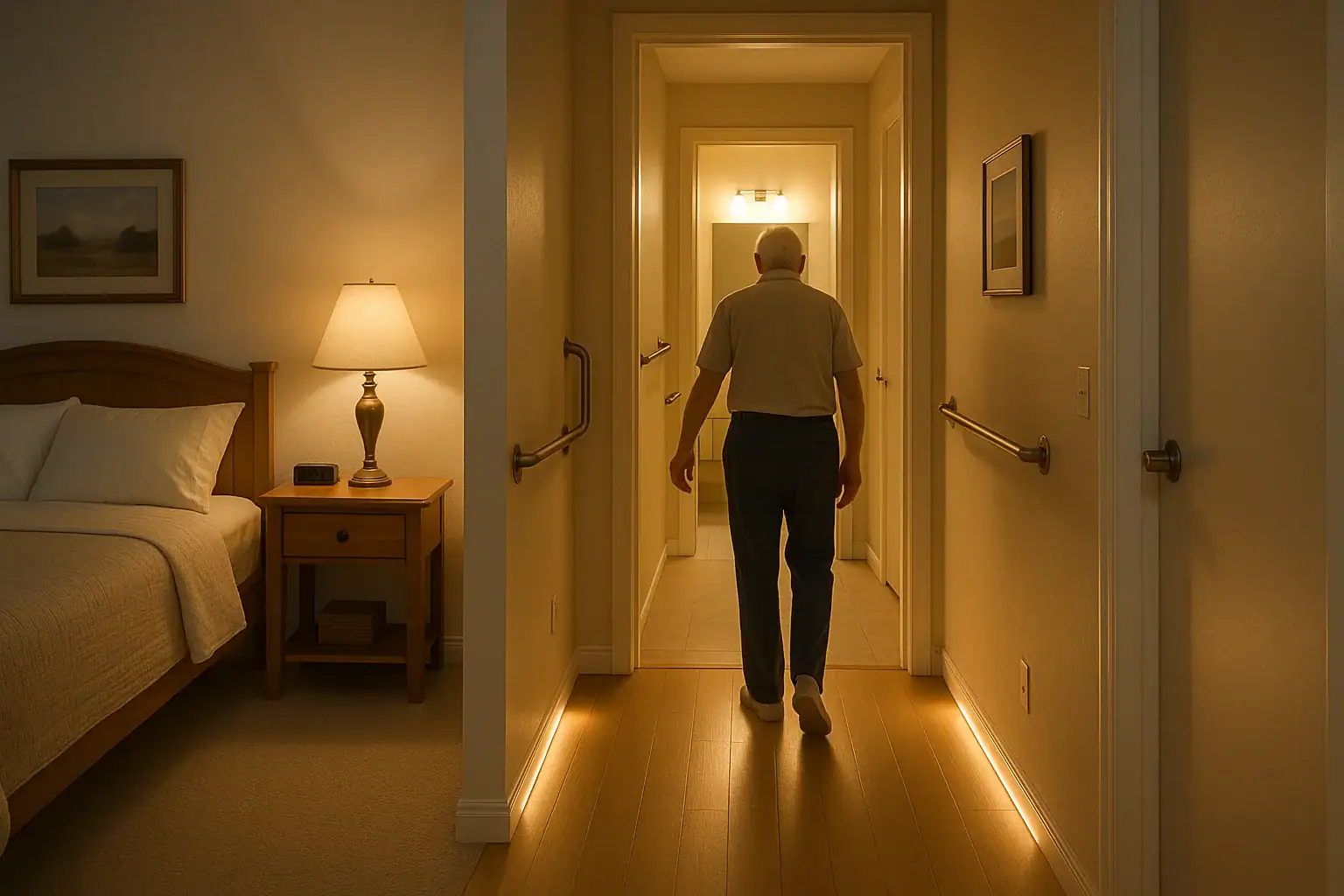
- Use night-lights in bedrooms, hallways, and bathrooms to guide nighttime trips.
- Place lamps within easy reach of the bed and favorite chairs.
- Choose bulbs that provide warm, clear light and reduce glare.
Make Emergency Help Easy to Reach
- Keep a phone on each floor or carry a mobile phone at all times.
- Post emergency numbers near phones and on the refrigerator.
- Consider a wearable help button or smart alert device for fast access to assistance.
Step 2: Fall Prevention in the Bathroom
The bathroom is one of the most common places for falls because of slippery surfaces and tight spaces. A few focused changes can greatly reduce risk.
Safer Showers and Tubs
- Install grab bars in the shower and next to the tub. Place them where hands naturally reach for support.
- Add a non-slip mat or non-slip strips on the shower or tub floor.
- Use a shower chair or bench so seniors can sit while bathing.
- Consider a hand-held showerhead to reduce reaching and twisting.
Toilet and Sink Safety
- Install grab bars near the toilet to help with sitting and standing.
- Use a raised toilet seat if getting up and down is difficult.
- Keep frequently used items, like soap and towels, within easy reach.
Smart Alerts in the Bathroom
Because bathrooms are private, it can be hard to know when someone needs help. Smart tools can quietly add extra protection:
- Water leak sensors can alert caregivers if water is left running or if there is a potential overflow.
- Motion sensors outside the bathroom can detect if a senior has not come out after a usual amount of time.
- Voice-activated assistants or smart speakers (placed away from water) can allow seniors to call for help without reaching for a phone.
Step 3: Bedroom Safety and Nighttime Fall Prevention
Many falls happen at night when seniors get out of bed to use the bathroom or get a drink of water. Making the bedroom safer can prevent these accidents.
Safer Bed Setup
- Choose a bed height that allows feet to rest flat on the floor when sitting on the edge.
- Use a firm mattress that is easier to move on and off.
- Consider a bed rail or support pole to assist with getting in and out of bed.
- Keep a sturdy chair nearby for dressing and putting on shoes.
Nighttime Lighting and Pathways
- Place a lamp within reach of the bed and use a large, easy-to-press switch.
- Install motion-activated night-lights that turn on when feet touch the floor.
- Keep a clear, straight path from the bed to the bathroom and remove trip hazards.
- Store glasses, water, and medications on a stable bedside table.
Smart Alerts for Nighttime Safety
Smart devices can help caregivers know if something unusual is happening at night without disturbing sleep.
- Bed occupancy sensors can send an alert if a senior gets up and does not return to bed within a set time.
- Door and motion sensors can track movement between the bedroom and bathroom.
- Smart bulbs can gently brighten the room when movement is detected, reducing the chance of tripping in the dark.
Step 4: Living Room and Common Area Safety
Living rooms and common areas should be comfortable, but they must also allow safe movement. Furniture, cords, and decor can quickly become hazards if not arranged carefully.
Arrange Furniture for Easy Movement
- Leave clear walking paths between the sofa, chairs, and doors.
- Choose sturdy chairs with arms that make it easier to sit and stand.
- Avoid low coffee tables or footstools in the middle of walking paths.
- Secure rugs with non-slip backing or remove them entirely.
Manage Cords and Electronics
- Route power cords along walls, not across open floors.
- Use cord covers or clips to keep cables tidy and out of the way.
- Place remote controls, phones, and chargers within easy reach from the main seating area.
Smart Alerts and Monitors in Common Areas
Common areas are good locations for smart devices that keep an eye on daily activity.
- Motion sensors can track normal movement patterns and send alerts if there is a long period of inactivity.
- Smart speakers or displays can be used to make hands-free calls or send voice messages to family.
- Indoor cameras, used with consent, can help remote caregivers check in visually if there is a concern.
Step 5: Kitchen and Entryway Safety
The kitchen and entryway are busy areas where spills, steps, and clutter can create fall risks. A few changes can make these spaces safer and easier to use.
Kitchen Safety Tips
- Store everyday dishes, glasses, and pans at waist level to avoid bending or reaching overhead.
- Use non-slip mats in front of the sink and stove, and wipe up spills right away.
- Keep a stable step stool with hand support if reaching higher shelves is necessary.
- Organize heavy items so they do not need to be lifted from low cabinets.
Entryway and Stairs
- Install sturdy handrails on both sides of any stairs, inside and outside.
- Add non-slip treads or tape on stair edges for better grip and visibility.
- Use bright lighting at the front door, porch, and any step-down areas.
- Keep shoes, umbrellas, and packages out of walking paths.
Smart Alerts for Kitchen and Entryway
- Door sensors can alert caregivers when a door is opened at unusual times, such as late at night.
- Smart locks can allow trusted family members to check if doors are locked or unlock them remotely in an emergency.
- Appliance sensors can send alerts if the stove is left on or if the refrigerator door is open for too long.
How Smart Alerts Help with Fall Prevention
Smart alerts use sensors, wireless connections, and apps to monitor activity and send notifications when something seems wrong. They do not replace personal care, but they can add a valuable layer of protection.
Types of Smart Alerts for Senior Safety
- Wearable alert buttons: Small devices worn on the wrist or around the neck that can send a help signal with a single press.
- Fall detection devices: Some wearables and sensors can detect sudden movements that may indicate a fall and send automatic alerts.
- Motion and contact sensors: Devices that detect movement in a room or when a door or cabinet is opened.
- Bed and chair sensors: Pads or devices that sense when someone gets up and can send alerts if they do not return.
- Voice-activated assistants: Devices that allow seniors to call for help or control lights without getting up.
Benefits for Seniors and Caregivers
- Faster response to falls: Alerts can reach family, neighbors, or monitoring services quickly.
- More independence: Seniors can feel safer living alone, knowing help is easy to reach.
- Peace of mind: Caregivers can check in through apps instead of constant phone calls.
- Insight into daily routines: Activity patterns can show if a senior is moving less or having trouble with certain tasks.
Planning a Smart Home Safety System for Seniors
It can feel overwhelming to decide which devices to use, but a simple plan can keep things manageable. Focus on the areas with the highest risk and add more tools over time if needed.
Set Clear Safety Goals
Start by asking a few questions:
- What are the biggest fall risks in the home right now?
- Are there times of day when the senior is alone and more vulnerable?
- Who should be notified if an alert is triggered?
- Is the senior comfortable using phones, apps, or voice commands?
Prioritize Essential Devices
For many families, a basic smart safety setup might include:
- A wearable alert button with optional fall detection
- Motion-activated night-lights in the bedroom, hallway, and bathroom
- Door sensors on main entry doors
- Motion sensors in key areas like the living room and kitchen
- A voice-activated assistant in the main living area
Keep Technology Simple and Senior-Friendly
- Choose devices with large buttons, clear lights, and simple instructions.
- Label switches and remotes with large-print stickers.
- Show seniors how to use each device and practice together.
- Set up automatic updates and test alerts regularly to be sure everything works.
Working Together: Seniors, Families, and Caregivers
The most effective home safety plan is one that everyone understands and supports. Involving seniors in decisions helps them feel respected and more willing to use new tools.
Have Open Conversations About Safety
- Talk about specific concerns, such as recent falls or near-misses.
- Explain that smart alerts are there to support independence, not to limit it.
- Ask what makes the senior feel most comfortable and secure at home.
Set Up a Support Network
- Decide who will receive alerts: family, neighbors, or professional caregivers.
- Create a simple plan for how each person should respond to alerts.
- Share home access information, such as key locations or smart lock codes, with trusted contacts.
Review and Adjust Over Time
- Revisit the home safety checklist every few months.
- Update devices or add new sensors if health needs change.
- Encourage seniors to share any worries or frustrations with the setup.
Next Steps: Building a Safer, Smarter Home
Fall prevention and smart alerts work best when combined with regular health care, exercise, and open communication. Small changes can have a big impact. Even simple steps like adding night-lights, clearing clutter, and placing a phone within reach can reduce risk right away.
From there, you can build a smart home safety system that fits your needs and budget. Start with the most important areas, such as the bathroom, bedroom, and entryway. Add smart sensors and alerts that make sense for your daily routines. Over time, you can create a home that supports aging in place with dignity, comfort, and peace of mind.
If you are ready to explore more ways to combine smart home tools with safety planning, you can continue learning with additional guides and resources focused on senior-friendly technology and home design.
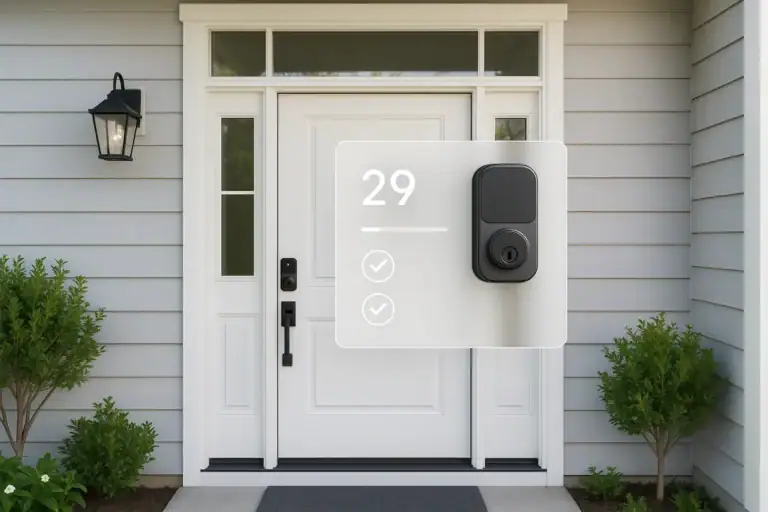 Smart Lock Auto-Lock Settings: Safe Defaults That Prevent Lockouts
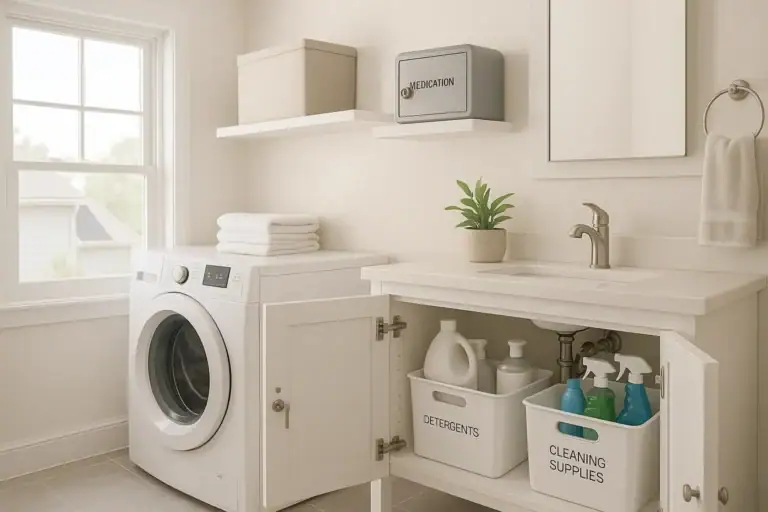 Medication Lockbox and Cleaning Supply Safety Storage Checklist
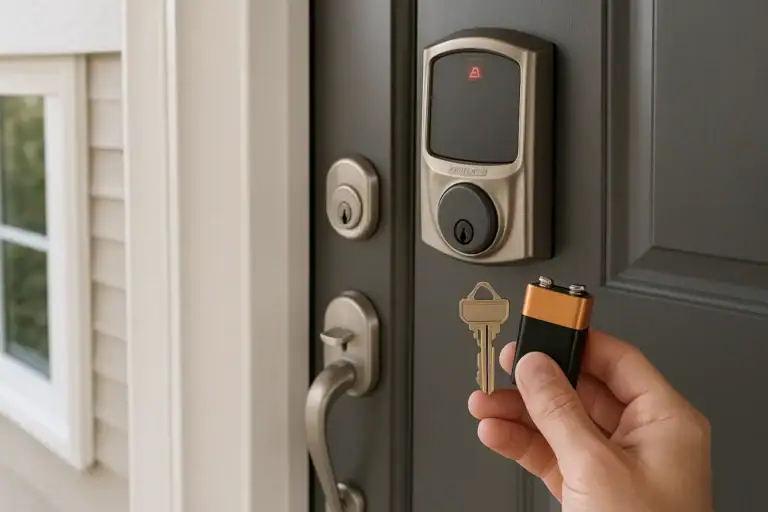 Smart Lock Battery Dead? How to Create a Reliable Backup Access Plan