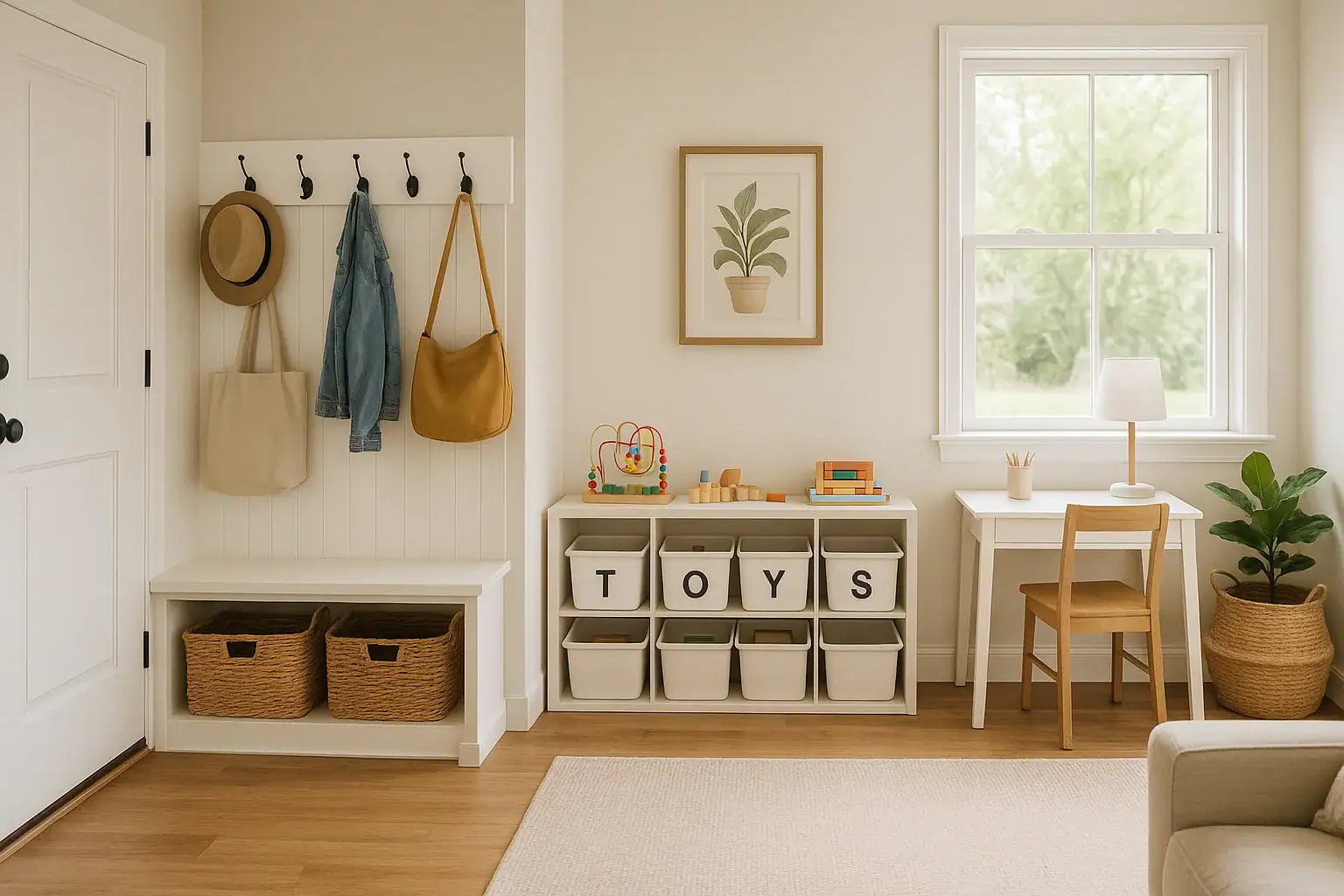
Family life is busy, and clutter can pile up faster than anyone expects. Toys migrate from room to room, papers land on every flat surface, and getting out the door can feel like a scavenger hunt. Instead of trying to keep the entire house perfect, a zone-based approach helps you organize your home in a way that fits real life. By creating clear, simple zones for daily activities, every family member knows where things belong and how to put them away quickly.
This guide walks you through how to set up practical zones that work for families, even with limited time and energy. You will learn how to choose the right zones for your home, what to store in each one, and how to maintain them with easy routines. The goal is not perfection; it is a home that functions smoothly, feels calmer, and is easier to keep tidy day after day.
Why Zones Work So Well for Family Homes
A zone is a defined area in your home that supports a specific activity and holds everything needed for that activity. Instead of storing items wherever there is space, you group them by purpose and location. This makes it easier to find what you need and to put it back in the same place.
Zone-based organization is especially helpful for families because it:
- Reduces decision fatigue: You do not have to think about where things go; the zone decides for you.
- Helps kids help out: Simple, clearly labeled zones make it easier for children to participate in tidying.
- Cuts clutter at the source: When items have a home near where they are used, they are less likely to pile up elsewhere.
- Makes routines smoother: Morning, evening, and weekend routines run faster when everything is grouped by activity.
Instead of focusing on every drawer and shelf at once, zones let you tackle your home in manageable sections. You can start with the areas that cause the most stress and build from there.
Step 1: Identify Your Family's High-Traffic Areas
Before you set up zones, pay attention to how your family actually uses your home. The most effective zones are built around real habits, not ideal ones. Walk through a typical day and notice where things tend to pile up or get lost.
Common high-traffic areas include:
- The entryway or area near the main door
- The kitchen and dining area
- The family room or living room
- Kids' bedrooms and play areas
- Homework or work-from-home spaces
- The bathroom used most often in the morning
- The laundry area
Make a short list of your top three problem spots. These are the best places to start creating simple zones that will give you quick wins and visible results.
Step 2: Choose Simple, Clear Zones for Your Home
Zones should be easy to understand at a glance. Each zone supports one main activity and holds only what is needed for that activity. The simpler the zone, the easier it is to keep tidy.
Examples of Family-Friendly Zones
- Drop Zone: For shoes, bags, keys, and daily essentials near the door.
- Snack Zone: For kid-friendly snacks and lunch-packing supplies in the kitchen.
- Homework Zone: For school papers, supplies, and devices used for schoolwork.
- Toy Zone: For everyday toys in the living room or playroom.
- Quiet Zone: For reading, calming down, or quiet play.
- Laundry Zone: For sorting, washing, and folding clothes.
- Morning Routine Zone: For items needed to get ready quickly, such as toiletries and daily medications.
Start with two to four zones that would make the biggest difference in your daily life. You can always add more later once these are working well.
Entryway Drop Zone: Controlling Daily Clutter
The entryway is often the first and last place your family passes through each day. Without a clear system, it can quickly become a pile of shoes, bags, papers, and random items. A simple drop zone keeps this clutter contained and makes getting out the door much easier.
What to Include in a Drop Zone
Choose a small area near the door your family uses most. Even a wall or a corner can work. Aim for:
- Shoe storage: A rack, low shelf, or a defined mat where shoes are lined up.
- Bag parking: Hooks or a bench area where backpacks and purses always land.
- Key and wallet spot: A small tray or bowl on a shelf for keys, wallet, and sunglasses.
- Mail and paper spot: A vertical file, wall pocket, or single basket for incoming papers.
- Seasonal gear: A small bin or basket for hats, gloves, or umbrellas, depending on the time of year.
Simple Rules for the Drop Zone
- Limit each person to a set number of shoes in the zone.
- Empty the paper spot once a day or a few times a week.
- Have kids hang their own bags as soon as they walk in.
- Return out-of-season items to closets or storage.
Keep the drop zone as small and focused as possible. When it is clearly defined, clutter is less likely to spread into the rest of the house.
Kitchen Zones: Making Meals and Snacks Easier
The kitchen is the heart of many homes and often the most used space. Creating a few key zones here can save time and reduce daily stress, especially around meals and snacks.
Snack and Lunch Zone
Design a spot where kids can independently grab snacks or help pack lunches, with your guidance as needed.
Include:
- Healthy grab-and-go snacks in a low drawer or bin
- Lunch containers, water bottles, and reusable bags together in one cabinet
- Napkins and utensils nearby for quick packing
Use simple labels so everyone knows what belongs where. This cuts down on constant questions and makes mornings smoother.
Coffee or Beverage Zone
Set up a small area with everything needed for your daily beverages. Keep mugs, filters, spoons, and commonly used ingredients together. This keeps counters clearer and mornings more efficient.
Cooking Prep Zone
Near the main prep area, group:
- Cutting boards and knives
- Measuring cups and spoons
- Mixing bowls and commonly used utensils
- Frequently used spices and oils
When everything for meal prep is within arm's reach, you spend less time searching and more time actually cooking.
Family Room and Toy Zones: Containing Everyday Play
In many homes, the family room serves multiple purposes: relaxing, playing, watching shows, and sometimes working. Without clear zones, toys and electronics can take over. A few simple boundaries help this space stay welcoming and tidy.
Create a Main Toy Zone
Designate one main area for toys in the family room or playroom. This could be a corner of the room, a wall with storage, or a section of a closet.
Organize toys by broad categories, such as:
- Building toys
- Pretend play items
- Puzzles and games
- Art and craft supplies
- Outdoor toys that come inside temporarily
Use open bins or baskets for everyday items so kids can see what they have and put things away more easily. Keep only a manageable amount of toys out at once and store extras elsewhere for rotation.
Set Up a Media and Device Zone
Choose a specific area for game consoles, remotes, and chargers. Keep:
- All remotes in one small tray or bin
- Game controllers in a basket or drawer
- Charging cables in a labeled container
- Games and movies stored vertically so titles are easy to see
Having a defined media zone helps prevent cords and devices from spreading across the room.
Kids' Bedrooms: Simple Zones They Can Maintain
Kids' rooms can be challenging to keep organized, but simple zones make it easier for them to participate. The key is to keep systems age-appropriate and straightforward.
Core Zones for Kids' Rooms
- Sleep Zone: The bed area, with only a few favorite items nearby.
- Clothing Zone: Dresser, closet, and laundry basket in one general area.
- Toy or Hobby Zone: A shelf or corner for favorite toys or collections.
- Study Zone: A desk or table with basic school supplies, if space allows.
Within each zone, aim for broad categories rather than detailed systems. For example, one drawer for tops, one for bottoms, and one for pajamas. For toys, use large bins labeled with words and pictures.
Tips to Help Kids Keep Zones Tidy
- Limit how many toys or stuffed animals can live on the bed.
- Keep laundry baskets easy to reach and clearly labeled.
- Use low hooks for backpacks or jackets so kids can hang them independently.
- Do a quick reset together most evenings to put each zone back in order.
When kids know exactly where things belong, they are more likely to help clean up and less likely to feel overwhelmed.
Homework and Paper Zones: Taming School and Life Paperwork
Papers can spread quickly across the kitchen table, counters, and desks. A dedicated homework and paper zone keeps schoolwork and important documents under control.
Set Up a Homework Zone
This does not have to be a full office. It can be:
- A section of the dining table with a portable caddy
- A small desk in the family room
- A counter area with a stool and storage nearby
Include:
- Basic supplies: pencils, erasers, pens, markers, scissors, glue, and paper
- A place for current homework and projects
- A spot for completed work that needs to be reviewed or signed
Create a Simple Paper Zone for Adults
For family paperwork, aim for a small, contained system. You might use:
- One "inbox" for all incoming papers
- Files or folders for categories such as bills, school, medical, and activities
- A shred or recycle bin nearby
Set aside a regular time each week to sort and handle papers in this zone. When everything has a home, you are less likely to lose important documents under a pile of mail.
Bathroom and Morning Routine Zones
Busy mornings go more smoothly when everyone knows where to find what they need. Bathroom and morning routine zones help keep counters clear and routines predictable.
Shared Bathroom Zone
In a shared bathroom, give each family member a defined space, such as:
- A small bin or caddy for personal items
- A labeled drawer or shelf section
- Hooks for towels at kid-friendly heights
Group commonly used items together, such as toothbrushes, toothpaste, hairbrushes, and daily skincare. Keep extras in a separate storage area so the daily zone does not overflow.
Morning Launch Zone
Consider a small "launch" zone near the door or in a hallway for items needed in the morning, such as:
- Activity bags packed the night before
- Library books and school projects
- Sports gear for the next day
Preparing this zone in the evening helps mornings feel calmer and reduces last-minute scrambling.
Laundry Zone: Streamlining a Constant Chore
Laundry is a constant task in family life. A clear laundry zone helps you move clothes through the wash-dry-fold-put-away cycle with less frustration.
Design a Functional Laundry Zone
Whether your laundry area is a full room or a closet, try to include:
- Separate hampers or bags for lights, darks, and special items
- A surface or basket for clean clothes waiting to be folded
- A small container for lost socks and pocket finds
- Hooks or a rod for air-drying delicate items
Store detergent, stain treatment, and dryer accessories together within easy reach. If possible, keep a small trash can nearby for lint and tags.
Involve the Family in the Laundry Zone
- Teach kids to bring their hampers to the laundry area on certain days.
- Have older children help sort or fold simple items like towels.
- Assign each person a basket for clean clothes to put away.
When everyone participates, the laundry zone supports the whole household instead of falling on one person.
Keeping Zones Tidy: Simple Family Habits
Zones are only helpful if they stay reasonably tidy, but that does not mean hours of cleaning. A few small habits built into your day can keep your home running smoothly.
Daily and Weekly Zone Check-Ins
Try these quick routines:
- Two-minute resets: Before meals or bedtime, spend a couple of minutes putting items back in their zones.
- End-of-day sweep: Walk through the main living areas and return stray items to their zones.
- Weekly review: Choose one or two zones each week to declutter and reset more deeply.
Make Zones Visible and Obvious
Help everyone remember where things belong by using:
- Labels on bins, baskets, and shelves
- Pictures or icons for younger kids
- Consistent locations that rarely change
When zones are clear and simple, family members can tidy up without constant reminders or explanations.
Adjusting Zones as Your Family Grows
Your family's needs will change over time, and your zones should change with them. What works for a toddler will not be the same system you need for a teenager. The good news is that once you understand the idea of zones, you can easily update them.
Review your zones when:
- Kids start a new school year or new activities
- You begin working from home or change jobs
- A new baby arrives or someone moves out
- Seasonal gear, sports, or holidays bring new items into the home
Ask yourself two simple questions for each zone:
- Is this zone still in the right place?
- Does it still hold only what we need for this activity?
Small adjustments, like moving a homework zone closer to where you cook or shifting toy storage to a different room, can make daily life feel easier without a full reorganization.
Bringing It All Together
Home organization for families does not have to be complicated or time-consuming. By focusing on simple zones that match how you actually live, you create a home where everything has a clear place and everyone can help keep it that way. Start with your highest-traffic areas, choose a few practical zones, and build small daily habits around them.
As you refine your zones over time, you will likely notice less clutter, smoother routines, and a calmer atmosphere. Your home does not need to be perfect to work well for your family. It just needs thoughtful, realistic systems that support your everyday life and make it easier to stay tidy without constant effort.
If you want more ideas for simplifying your space, you can explore additional cleaning and organization tips at your favorite home organization resources, and adapt the strategies that best fit your family's unique needs.
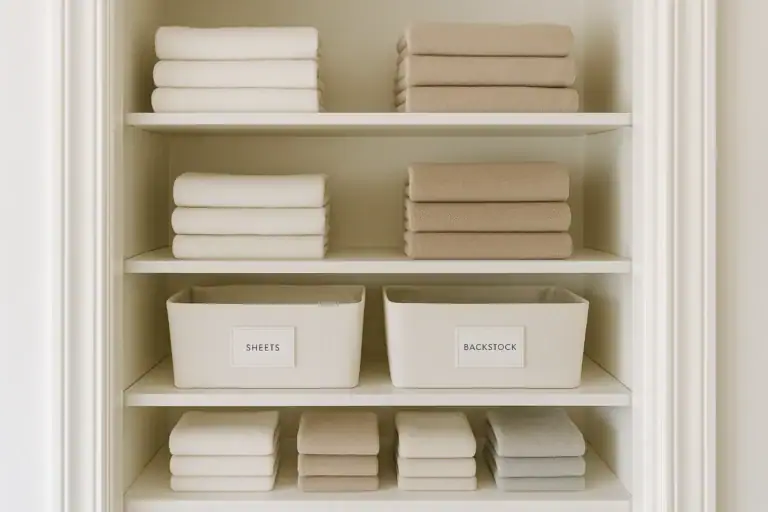 Linen Closet Organization: Simple Zones for Sheets, Towels, and Backstock
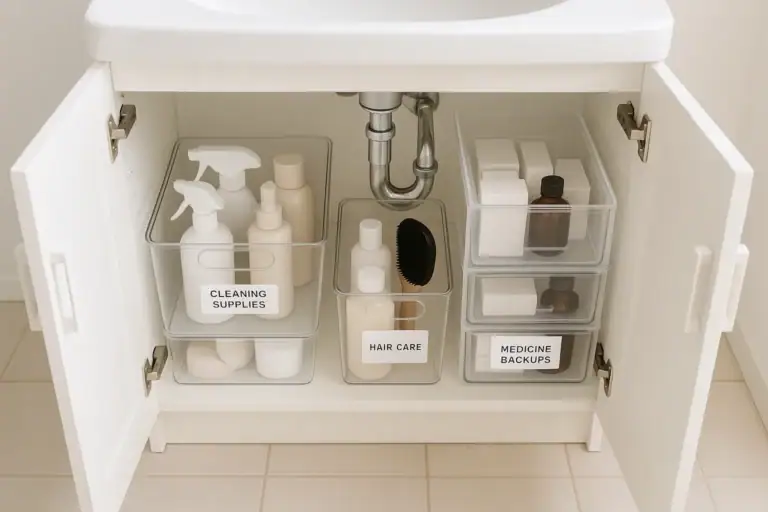 Smart Bathroom Cabinet Organization for Under-Sink Drawers and Medicine Backups
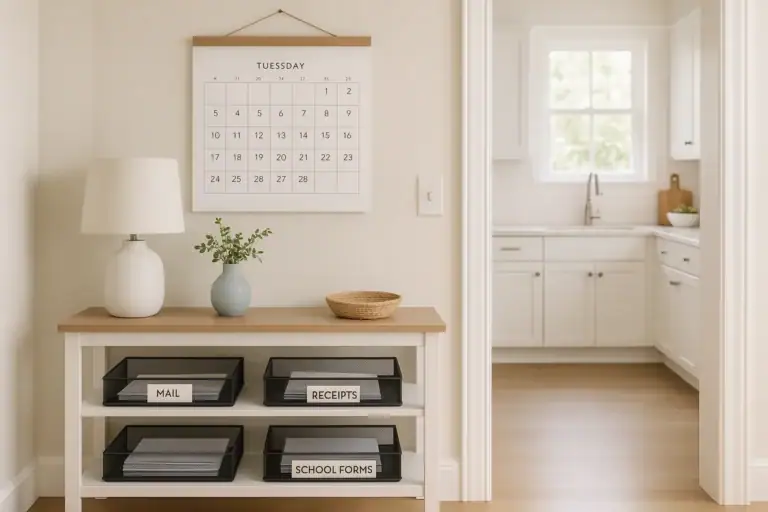 A Simple Paper Clutter System for Mail, Receipts, and School Forms