
If strong fragrances make you feel dizzy, stuffy, or give you a headache, you are not alone. Many people are sensitive to scents in everyday cleaning products, from floral sprays to heavily perfumed detergents. The good news is that you can keep a clean, fresh home without relying on added fragrance at all. With a little planning, a few simple tools, and a consistent routine, a scent free cleaning plan can be just as effective as a traditional one, while being gentler on your nose and lungs. This guide walks you through how to set up a fragrance free routine, what to look for in low‑scent supplies, and how to clean every room in your home without overwhelming smells.
Why Choose a Scent Free Cleaning Routine?
Fragrance is added to many household cleaners to create a feeling of freshness, but for sensitive noses that “fresh” smell can be anything but pleasant. A scent free routine focuses on removing dirt, dust, and germs instead of masking them with perfume.
Common reasons to go fragrance free
- Headaches and migraines: Strong scents can trigger or worsen headaches and migraines.
- Respiratory irritation: People with asthma, allergies, or chronic sinus issues may react to fragrances in the air.
- Skin sensitivity: Fragrances can sometimes irritate sensitive or dry skin when used on surfaces that touch your body, like bedding or towels.
- Shared spaces: A scent free home is often more comfortable for guests, children, and pets with unknown sensitivities.
By choosing low‑odor or unscented options and focusing on good ventilation and regular maintenance, you can reduce irritants in your home and still enjoy a clean, orderly space.
Core Principles of a Scent Free Cleaning Routine
Before diving into room‑by‑room tasks, it helps to understand the basic principles behind a fragrance free approach. These ideas will guide your product choices and habits.
1. Remove, do not mask
The goal is to physically remove dust, grime, and odors rather than cover them up. That means:
- Vacuuming and dusting regularly instead of relying on air fresheners
- Washing fabrics that hold smells, like curtains and throw blankets
- Cleaning trash cans, drains, and litter areas instead of spraying them
2. Choose low‑odor or unscented products
Look for labels that clearly state “unscented” or “fragrance free.” Be aware that “free and clear” or “sensitive” may still contain light fragrance, so always read the ingredient list when possible.
3. Use simple, familiar ingredients
Many basic cleaning tasks can be handled with simple ingredients that have little to no scent, especially when rinsed well. Common options include:
- Mild dish soap
- Plain white vinegar (the smell fades quickly as it dries)
- Baking soda
- Warm water and microfiber cloths
4. Ventilation is part of cleaning
Opening windows when weather allows, running bathroom and kitchen exhaust fans, and using portable fans to move air can reduce lingering odors and moisture. Fresh air is a powerful, scent free “cleaner.”
Essential Tools for a Fragrance Free Cleaning Kit
You do not need a cabinet full of products to keep a low‑scent home. Focus on a few versatile tools that you can use in multiple rooms.
Basic tools
- Microfiber cloths for dusting and wiping surfaces
- A good vacuum with a clean filter
- A broom and dustpan for hard floors
- A mop with washable pads or a simple bucket and mop
- Soft scrub brushes and an old toothbrush for crevices
- Rubber or nitrile gloves if your skin is sensitive
Simple, low‑scent cleaners
- Unscented all‑purpose cleaner for counters and hard surfaces
- Unscented dish soap for dishes and light surface cleaning
- Unscented glass cleaner or a vinegar‑water mix for windows and mirrors
- Unscented laundry detergent and, if needed, unscented stain remover
- Baking soda for gentle scrubbing and odor absorption
- White vinegar for mineral deposits, soap scum, and deodorizing drains
Store your supplies together in a small caddy so you can move quickly from room to room without hunting for products.
Daily Scent Free Cleaning Habits
Daily habits are the foundation of a low‑odor home. When you stay on top of small tasks, you are less likely to face stubborn smells that tempt you to reach for strong sprays.
Morning habits
- Air out the bedroom: Open a window for 10–15 minutes if weather allows. Pull back the covers to let moisture escape before making the bed.
- Quick bathroom wipe‑down: Use a damp microfiber cloth and a small amount of unscented cleaner to wipe the sink, faucet, and counter.
- Start laundry as needed: If you have sweaty workout clothes or damp towels, start a load with unscented detergent to prevent musty smells.
Evening habits
- Kitchen reset: Wash dishes or load the dishwasher, wipe counters, and clean the sink with unscented dish soap.
- Trash check: Empty kitchen and bathroom trash if food scraps or other odor‑prone items are inside.
- Quick clutter sweep: Put away shoes, bags, and laundry. Less clutter makes it easier to clean surfaces and floors, which helps prevent dust and stale odors.
These small steps often take 15–20 minutes total but go a long way toward keeping your home feeling fresh without any added scent.
Weekly Scent Free Cleaning Routine by Room
A weekly routine helps you tackle deeper cleaning tasks before odors build up. You can do everything in one day or spread tasks across the week. Adjust the schedule to fit your home size and lifestyle.
Fragrance Free Kitchen Routine
The kitchen is one of the most important areas to keep clean, since food odors can linger. Focus on grease, crumbs, and moisture.
- Counters and backsplash: Wipe with an unscented all‑purpose cleaner or warm soapy water. Pay attention to corners where crumbs collect.
- Stovetop: Remove burner grates if possible, soak them in hot water with a little unscented dish soap, and scrub away grease.
- Microwave: Heat a bowl of water for a few minutes to loosen splatters, then wipe the interior with a damp cloth.
- Sink and drain: Scrub the sink with baking soda, rinse well, then pour a small amount of vinegar down the drain. The vinegar smell will fade as it evaporates.
- Refrigerator: Wipe shelves and drawers with warm soapy water and dry thoroughly. Toss expired food that may create odors.
- Floors: Sweep and mop with a low‑odor floor cleaner or a mild soap and water solution.
Fragrance Free Bathroom Routine
Bathrooms can trap moisture and odors. Regular cleaning and ventilation are essential.
- Shower and tub: Use a low‑odor bathroom cleaner or a vinegar‑water mix on tile, walls, and fixtures. Rinse well to remove residue and scent.
- Toilet: Clean the bowl with a low‑odor toilet cleaner or baking soda and a toilet brush. Wipe the seat, handle, and base with an unscented disinfecting product.
- Sink and counter: Wipe with an unscented all‑purpose cleaner. Do not forget the faucet handles and light switches.
- Mirrors: Clean with unscented glass cleaner or diluted vinegar and wipe dry with a lint‑free cloth.
- Ventilation: Run the exhaust fan during and after showers. If possible, open a window for fresh air.
- Floors and mats: Wash bath mats regularly with unscented detergent and dry completely to prevent mildew.
Fragrance Free Bedroom Routine
The bedroom should be a calm, low‑odor space where your nose and lungs can rest.
- Bedding: Wash sheets and pillowcases weekly with unscented detergent. Dry thoroughly before making the bed.
- Mattress and pillows: Vacuum the mattress surface and pillows to remove dust. If needed, lightly sprinkle baking soda, let it sit, then vacuum again.
- Dusting: Use a slightly damp microfiber cloth to dust furniture, window sills, and lamps. Dry surfaces afterward.
- Closets: Keep clothes dry and laundered. Avoid storing damp items that can create musty smells.
- Floors: Vacuum carpet or rugs and mop hard floors with a low‑odor solution.
Fragrance Free Living Room Routine
Living spaces collect dust, pet hair, and food crumbs, all of which can create stale odors over time.
- Upholstery: Vacuum sofas and chairs, including under cushions. Spot clean with unscented upholstery cleaner if needed.
- Throw blankets and pillow covers: Wash regularly with unscented detergent.
- Dusting: Dust shelves, electronics, and decor with a microfiber cloth. For screens, use a cloth slightly dampened with water.
- Floors: Vacuum or sweep and mop. Pay attention to baseboards where dust collects.
- Windows: Clean glass and window tracks to remove dust and condensation that can hold odors.
Laundry Tips for Sensitive Noses
Laundry products are a major source of lingering scent, since clothes, towels, and bedding stay in close contact with your skin and nose. A few changes can make a big difference.
Choose gentle, unscented products
- Use unscented detergent and skip scented fabric softeners and dryer sheets.
- If you prefer softer fabrics, consider using dryer balls or adjusting your wash cycle for extra rinsing.
Prevent musty smells
- Move laundry from washer to dryer promptly to avoid mildew.
- Leave the washer door open after use so the interior can dry.
- Clean the washer drum and gasket regularly with a low‑odor cleaner or a hot cycle with vinegar.
Dealing with stubborn odors
If clothes have strong smells from sweat, smoke, or cooking, try:
- Pre‑soaking in warm water with a small amount of unscented detergent
- Adding a cup of white vinegar to the rinse cycle to help remove lingering odors (the vinegar smell will fade as clothes dry)
- Drying items completely, preferably in fresh air when possible
Odor Control Without Fragrance
Eliminating odor at the source is more effective than covering it with strong scents. These strategies help keep your home smelling neutral and clean.
Target common odor sources
- Trash cans: Rinse and scrub regularly with warm soapy water. Let them dry completely before adding a new bag.
- Recycling bins: Rinse containers before placing them in the bin to avoid sticky residue and smells.
- Pet areas: Clean litter boxes, cages, and bedding on a regular schedule using low‑odor products.
- Drains and garbage disposals: Flush with hot water and a small amount of vinegar. For disposals, you can also use a bit of baking soda, followed by hot water.
Use natural odor absorbers
Instead of perfumed sprays, try options that absorb or neutralize smells:
- Small open containers of baking soda in the refrigerator or near odor‑prone areas
- Charcoal‑based odor absorbers placed in closets or near shoes
- Frequent airing out of rooms by opening windows when weather allows
Adjusting Your Routine for Different Sensitivity Levels
Scent sensitivity exists on a spectrum. Some people react only to strong perfumes, while others notice even mild odors from vinegar or soap. Customize your routine to match your comfort level.
If your sensitivity is moderate
- Use unscented products for most tasks, but you may tolerate light natural smells that fade quickly.
- Rinse surfaces thoroughly after using vinegar or stronger cleaners.
- Prioritize ventilation during and after cleaning.
If your sensitivity is high
- Test new products on a small area first to see how you react.
- Wear a simple mask while cleaning to reduce exposure to any fumes or dust.
- Clean in shorter sessions with breaks for fresh air.
- Ask other household members to handle tasks that require stronger products, such as deep oven cleaning.
Sample Weekly Scent Free Cleaning Schedule
Use this sample schedule as a starting point. Adjust days and tasks to fit your home and energy level.
Suggested plan
- Daily: Quick kitchen reset, bathroom sink wipe‑down, trash check, light clutter pick‑up.
- Monday: Vacuum and mop high‑traffic areas, wipe kitchen counters and appliances.
- Tuesday: Clean bathrooms (toilet, shower, sink, mirrors, floors).
- Wednesday: Dust living room and bedrooms, wash throw blankets if needed.
- Thursday: Change and wash bedding, vacuum mattresses and bedroom floors.
- Friday: Deep clean kitchen sink, stovetop, and refrigerator shelves.
- Weekend: Catch‑up day or focus on a monthly task like windows, baseboards, or organizing a closet.
Consistency is more important than perfection. Even if you miss a day, returning to your routine the next day will help keep your home comfortable for a sensitive nose.
When You Need Stronger Cleaning Power
Sometimes you may face tough messes like heavy grease, mold, or long‑neglected areas that need more powerful cleaners. If you are sensitive to scent, approach these tasks carefully.
Safety tips
- Wear gloves and consider a mask or respirator rated for fumes.
- Open windows and run fans to keep air moving.
- Leave the room while products sit or soak, returning only to rinse and wipe.
- Rinse thoroughly to remove both residue and lingering odors.
If a task feels overwhelming, it may be worth asking a trusted friend or a professional service to handle that specific job, while you maintain the space day‑to‑day with your usual scent free routine.
Creating a Calm, Low‑Odor Home
A scent free cleaning routine is not about having a home that smells like nothing at all. It is about avoiding harsh, overwhelming fragrances and focusing on true cleanliness and fresh air. By choosing simple, low‑odor products, staying consistent with daily and weekly habits, and addressing odor at the source, you can create a home that feels comfortable for even the most sensitive noses.
Start small by switching one or two products to unscented versions and adding a few daily habits. Over time, your routine will become second nature, and you may notice fewer headaches, less irritation, and a more peaceful environment overall.
If you are ready to refine your routine further, consider organizing your supplies, simplifying your storage areas, and building a schedule that works with your lifestyle. A calm, low‑odor home is absolutely possible with thoughtful, scent free cleaning habits.
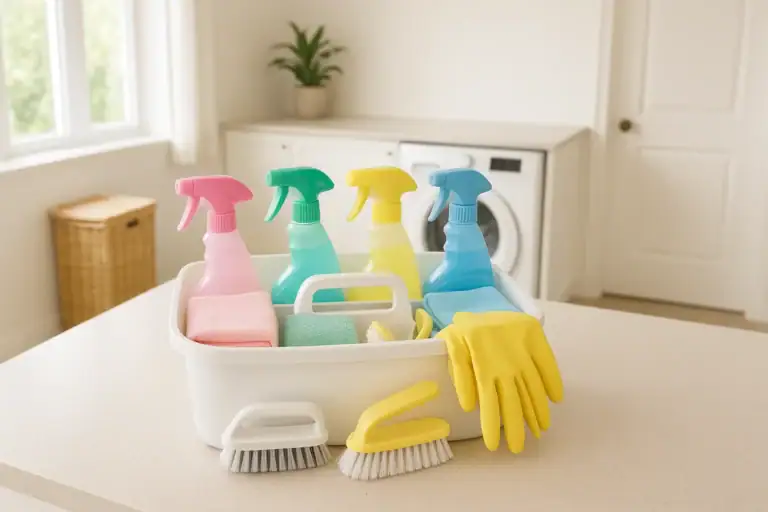 How to Build a Simple Grab-and-Go Cleaning Caddy: Step-by-Step Guide
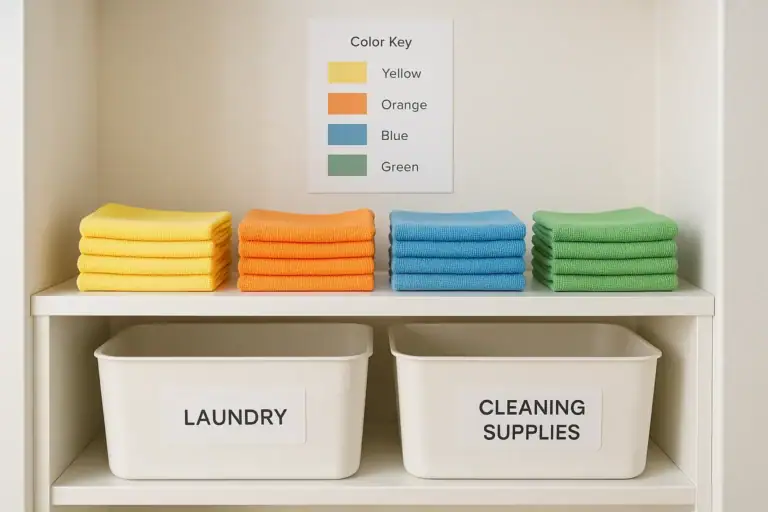 How to Use a Microfiber Cloth Color Coding System for Stress-Free Home Cleaning
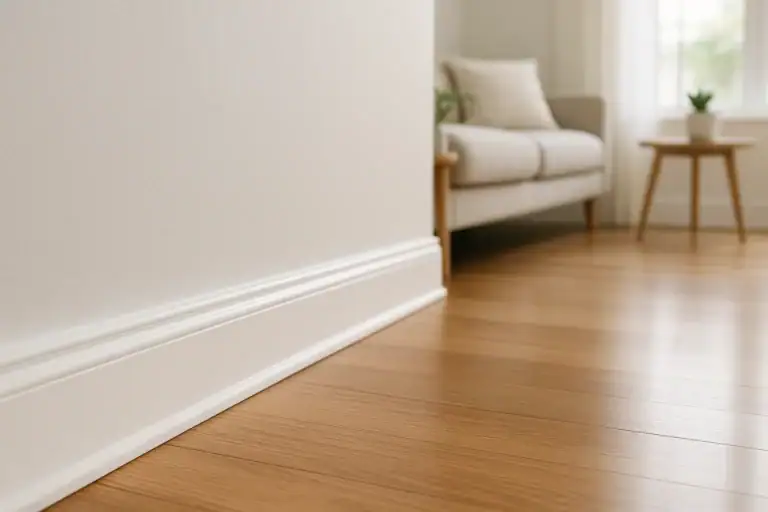 How to Clean Baseboards Quickly Without Spreading Dust Everywhere