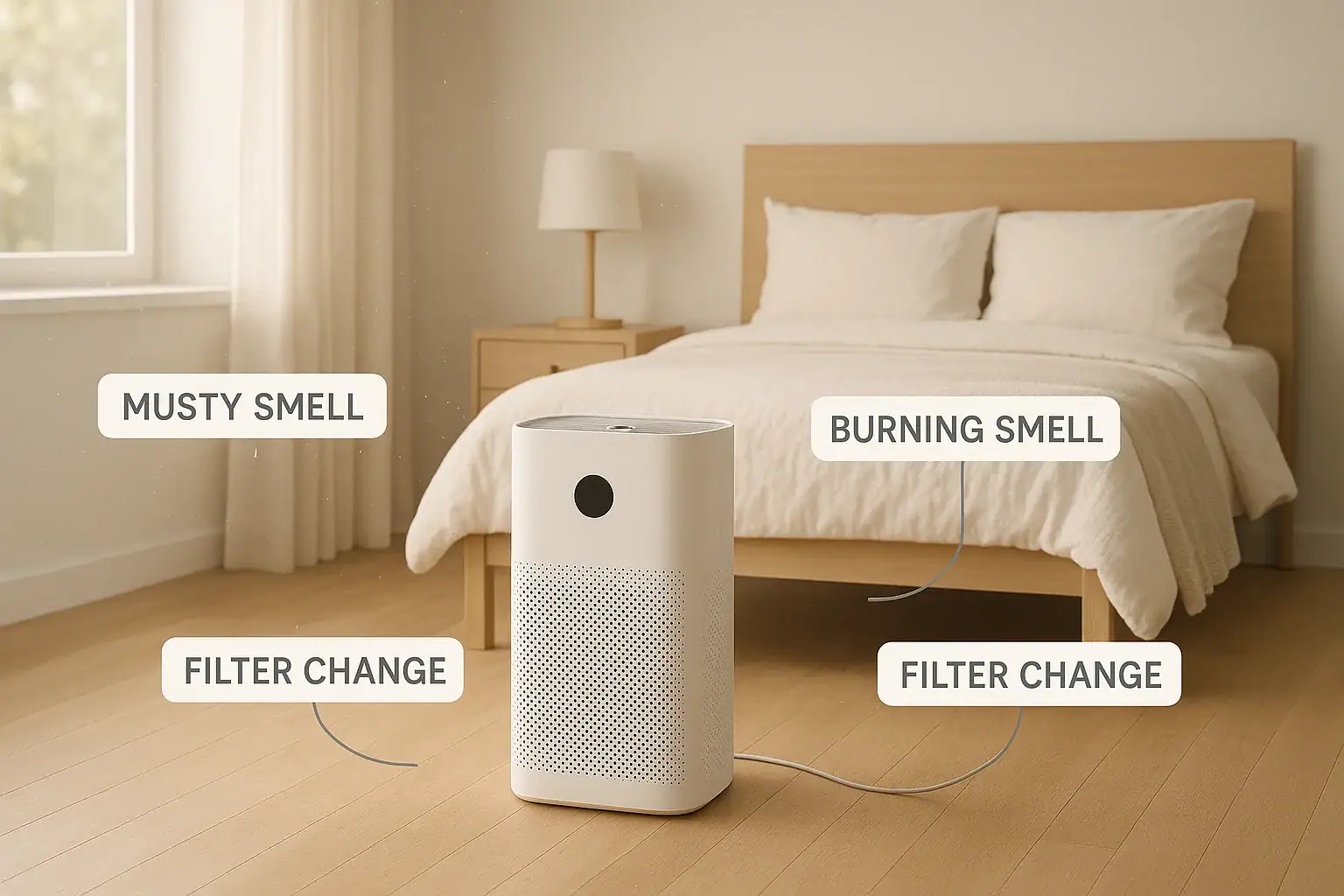
Air purifiers are supposed to make your home smell fresher, not worse. So when you notice a strange odor coming from a unit that is meant to clean the air, it can be confusing and a little worrying. The good news is that most smells from air purifiers have a clear cause and are usually easy to fix with a bit of troubleshooting and maintenance.
This guide walks you through the most common reasons your air purifier smells, what different odors can mean, and step‑by‑step ways to solve them. You will also learn when a smell is normal, when it is a sign of a problem, and how to prevent odors from coming back. The focus here is on practical, safe solutions you can use in a typical US home or apartment.
Is It Normal for an Air Purifier to Smell?
Some smells from a newly installed or recently cleaned air purifier are normal and temporary. Others are warning signs that something is wrong. Before you panic, it helps to understand which is which.
Normal, short‑term smells
- New plastic or “factory” smell: Many new units have a light plastic or chemical odor from manufacturing. This usually fades within a few days of use.
- Mild dusty smell at first use: If the purifier has been stored for a while, dust on internal parts may burn off slightly when it first runs.
- Faint clean or neutral smell: A subtle change in how the room smells can simply mean the purifier is removing odors from the air.
If the smell is strong, unpleasant, or gets worse over time, it is not normal and should be addressed.
Common Types of Odors and What They Mean
The type of smell you notice can give you clues about the underlying issue. Use the descriptions below to narrow down what is going on with your air purifier.
1. Musty or moldy smell
A musty, damp, or basement‑like smell usually points to moisture and possibly mold growth inside the purifier or in the filter.
Most likely causes:
- Filter exposed to high humidity or water
- Unit used in a damp basement, bathroom, or laundry area
- Dirty pre‑filter loaded with dust and organic debris
- Clogged filter restricting airflow and trapping moisture
2. Burning, hot, or electrical smell
A burning or hot plastic smell is more serious and can indicate an electrical or mechanical problem.
Most likely causes:
- Overheating motor or fan
- Dust buildup on internal components
- Loose, damaged, or frayed power cord or plug
- Blocked air intake or outlet causing the unit to overwork
3. Chemical or sharp odor
A sharp, chemical, or “swimming pool” type smell can come from certain purification technologies or from off‑gassing in your home.
Most likely causes:
- Ionizing or similar features creating byproducts in poorly ventilated rooms
- Activated carbon filter saturated with chemicals and unable to absorb more
- Strong household cleaners, paints, or solvents near the unit
4. Rotten egg or sewage smell
A rotten egg or sewage‑like odor is usually not produced by the purifier itself. Instead, the unit may be circulating existing odors from the room or from plumbing issues.
Most likely causes:
- Nearby drain, garbage disposal, or trash can
- Plumbing or sewer gas issue in the home
- Pet accidents or hidden spills near the unit
5. Stale, dusty, or “old filter” smell
If the purifier smells like old dust, dirty vacuum bags, or simply stale air, the filters are likely overdue for cleaning or replacement.
Most likely causes:
- Clogged pre‑filter
- HEPA or other main filter past its recommended lifespan
- Activated carbon saturated with odors and gases
Step‑by‑Step Troubleshooting: Why Your Air Purifier Smells
Use this simple checklist to track down the source of the smell and decide what to do next. Always unplug the unit before opening or working on it.
Step 1: Confirm the smell is really from the purifier
- Turn the purifier off and unplug it.
- Leave the room for 10–15 minutes, then return and smell the air.
- Place your nose near the air outlet of the purifier (while it is still off) and check for lingering odor.
- Move the purifier to a different room and run it there for a short time to see if the smell follows.
If the smell stays in the original room, the source may be carpets, furniture, drains, or trash, not the purifier.
Step 2: Inspect the filters
- Unplug the unit and open the filter compartment according to the manual.
- Check the pre‑filter for visible dust, hair, or lint buildup.
- Look for discoloration, damp spots, or visible mold on any filter.
- Smell each filter separately. If one has a strong odor, it is likely the main culprit.
If a filter looks or smells bad, it is usually best to replace it rather than trying to salvage it.
Step 3: Check for moisture and mold
- Feel the filters and interior surfaces for dampness.
- Look for black, green, or white fuzzy spots that could indicate mold.
- Consider where the unit has been used. High‑humidity rooms and basements are more prone to mold issues.
Never keep using an air purifier with moldy filters. Replace them and clean the interior housing before running the unit again.
Step 4: Look for dust buildup inside the unit
- Use a flashlight to inspect the fan blades and air channels.
- Check intake and outlet grilles for heavy dust or pet hair.
- Light dust can burn slightly when the unit heats up, causing a faint burning or dusty smell.
Step 5: Inspect the power cord and plug
- Look for cracks, fraying, or melted areas on the cord.
- Check the plug for discoloration or burn marks.
- Make sure the outlet is not loose and that the plug fits snugly.
If you notice any damage, stop using the purifier and have it inspected or replaced. Do not tape or patch a damaged cord.
Step 6: Review your room environment
- Are you using strong cleaners, paints, or sprays nearby?
- Is there a litter box, trash can, or laundry hamper close to the purifier?
- Is the room poorly ventilated with windows always closed?
Sometimes the purifier is simply circulating and concentrating existing odors in a small, closed space.
How to Fix a Smelly Air Purifier
Once you have identified the likely cause, use the targeted solutions below to clear the odor and get your purifier working properly again.
Fixing a musty or moldy smell
- Turn off and unplug the unit.
- Remove and discard any damp or moldy filters. Do not try to wash away visible mold from paper‑like filters.
- Vacuum the interior housing gently using a soft brush attachment to remove dust and debris.
- Wipe non‑electrical surfaces with a lightly damp cloth and a mild, non‑scented cleaner. Avoid soaking any part of the unit.
- Allow everything to dry completely before installing new filters.
- Move the purifier to a less humid location or improve ventilation in the room.
Fixing a burning or electrical smell
- Unplug the purifier immediately. Do not continue to run it if you smell burning.
- Check for visible damage to the cord, plug, or housing.
- Clean dust from vents and interior areas as far as the manual safely allows.
- Ensure the unit has space around it for airflow and is not pushed against a wall or curtain.
- After cleaning, test the unit briefly in a well‑ventilated area. If the burning smell returns, stop using it and contact a qualified technician or replace the unit.
Fixing a chemical or sharp odor
- Increase ventilation. Open a window or door to dilute any buildup of gases.
- Remove or reduce chemical sources such as fresh paint, strong cleaners, or air fresheners near the purifier.
- Replace the activated carbon filter if it is old or saturated. A saturated carbon filter can start to release trapped odors.
- Turn off optional features that may be contributing to byproducts, if your unit allows it.
- Run the purifier on a lower setting for a while and monitor whether the odor fades.
Fixing a stale, dusty, or “old filter” smell
- Clean the pre‑filter. Many pre‑filters can be gently vacuumed or washed; check your manual for guidance.
- Replace the main filter if it is past the recommended time or visibly dirty.
- Dust the exterior grilles and surrounding surfaces so the purifier is not constantly pulling in loose dust.
- Run the unit on a higher setting for a short time in a ventilated room to flush out any remaining odor.
When to Stop Using Your Air Purifier
Most odor issues can be solved with cleaning and new filters, but there are times when it is safer to stop using the unit altogether.
Signs you should shut it down and seek help
- Persistent burning or melting plastic smell
- Visible smoke, sparks, or unusual noises
- Damaged or overheated power cord or plug
- Strong headaches, coughing, or irritation when the unit runs
- Repeated mold growth on filters despite normal humidity levels
In these cases, unplug the purifier and consider professional inspection or replacement. Your safety is more important than trying to salvage a failing device.
How to Prevent Air Purifier Odors in the Future
Once you have fixed the smell, a few simple habits can keep your air purifier running cleanly and quietly in the background.
Follow a regular filter schedule
- Mark filter replacement dates on a calendar or in your phone.
- Check filters more often if you have pets, smoke, or live in a dusty area.
- Do not wait until the air smells bad to change filters.
Keep the unit clean
- Dust or vacuum intake and outlet grilles every few weeks.
- Wipe the exterior with a dry or slightly damp cloth as needed.
- Vacuum around the purifier to reduce the amount of dust it pulls in.
Choose a good location
- Place the purifier in a dry area away from direct moisture.
- Keep it at least a few inches from walls and furniture for proper airflow.
- Avoid placing it right next to trash cans, litter boxes, or strong chemical sources.
Manage humidity and ventilation
- Use exhaust fans in bathrooms and kitchens to reduce moisture.
- Consider a dehumidifier in damp basements or humid climates.
- Open windows occasionally, when outdoor air quality allows, to refresh indoor air.
Protecting Your Home’s Air Comfort
A smelly air purifier can feel like the opposite of what you signed up for, but in most cases it is a fixable problem, not a failure of the idea of air purification. By paying attention to the type of odor, inspecting filters and components, and keeping up with simple maintenance, you can restore your unit to quiet, odor‑free operation.
If you are working on improving the overall comfort of your home’s air, it can also help to look at other factors such as humidity control, ventilation, and reducing indoor pollution sources. For more tips on creating a cleaner, more comfortable indoor environment, explore additional air and comfort guides at Signature Home Guide.
 Why One Room Feels More Humid Than the Rest of the House
 Why Your Bedroom Feels Stuffy Even With the AC On (Troubleshooting Guide)
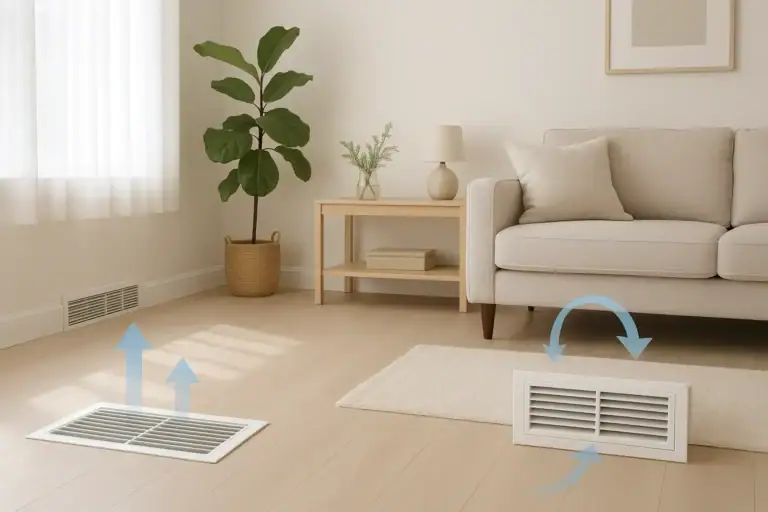 Supply Vent vs Return Vent: How to Tell the Difference in Your Home