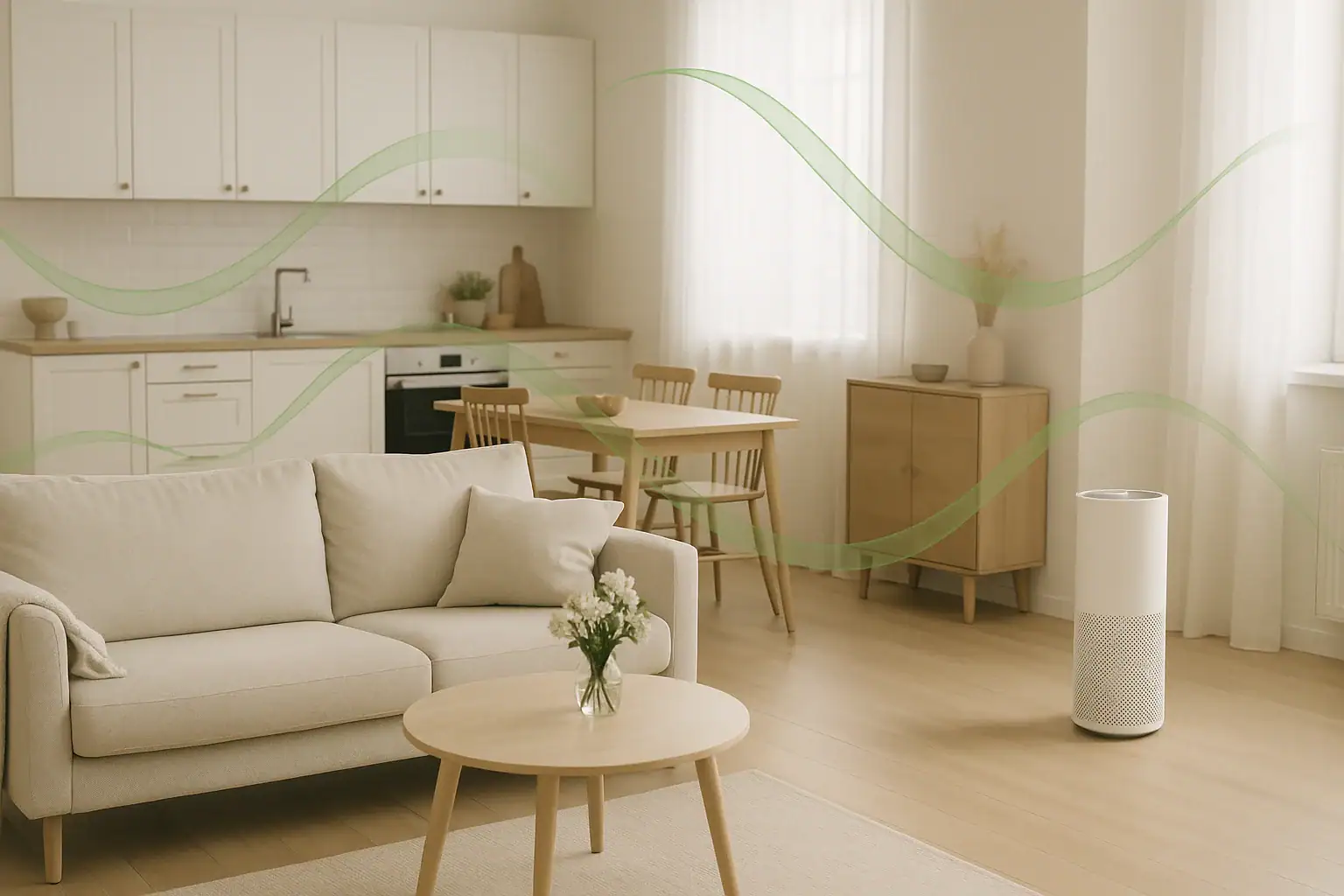
Odors can make an otherwise comfortable home feel stuffy and unpleasant. Many people turn to carbon filters to freshen the air, but it is easy to expect more from them than they can realistically deliver. Understanding what carbon filters do well, where they fall short, and how to use them correctly can help you make smarter choices for cleaner, fresher indoor air.
This guide explains how carbon filters work, which types of odors they handle best, situations where they are not very effective, and how to choose and maintain a filter that fits your home and lifestyle. Whether you are dealing with cooking smells, pet odors, or traffic fumes, you will learn when a carbon filter is worth the investment and when other solutions will give you better results.
How Carbon Filters Work
Carbon filters, often called activated carbon or activated charcoal filters, are designed to remove gases and odors from the air. They are very different from standard dust filters that focus on particles like pollen or pet dander.
What “Activated” Carbon Means
Activated carbon is a special form of carbon that has been processed to create an extremely porous structure. This gives it a very large surface area in a small amount of material.
Those tiny pores are what make carbon filters useful for odors. As air passes through the filter, gas molecules and odor compounds stick to the surface of the carbon. This process is called adsorption (not absorption). Instead of soaking in like a sponge, the gases cling to the surface of the carbon.
Adsorption vs. Filtration
It helps to think of carbon filters as gas sponges rather than dust catchers.
- Particle filters (like basic furnace filters) trap solid particles such as dust, pollen, and pet hair.
- Carbon filters trap gases and vapors, including many odor-causing compounds.
Because of this difference, a carbon filter is usually used in addition to a particle filter, not instead of one. The particle filter catches the visible stuff, while the carbon layer targets smells and some chemicals.
Odors and Pollutants Carbon Filters Handle Well
Carbon filters are not magic, but they can be very effective for certain types of odors and gases that are common in homes. Their success depends on the type of odor, how strong it is, and how much carbon is in the filter.
Common Household Odors They Often Reduce
- Cooking smells: lingering odors from frying, sautéing, or strong spices can be reduced when air is recirculated through a carbon filter.
- Pet odors: general pet smells from litter boxes or pet bedding can be less noticeable when a carbon filter runs continuously nearby.
- Smoke odors: some smoke smells from fireplaces, burned food, or nearby outdoor fires may be reduced, especially when addressed quickly.
- Garbage and musty smells: mild trash odors or musty odors in less-ventilated rooms can be less intense with steady filtration.
Gases and Chemicals Carbon Can Capture
In addition to everyday smells, carbon filters can adsorb many volatile organic compounds (VOCs) and other gases, including:
- Some fumes from household cleaners and solvents
- Certain building material off-gassing
- Some traffic and outdoor pollution that seeps indoors
- Odors from hobby supplies such as glues or paints
Not all gases are captured equally well, but a well-designed carbon filter can noticeably reduce many of the common chemical odors that make indoor air feel harsh or irritating.
When Carbon Filters Do Not Work Well
It is important to know where carbon filters have limits. In some situations, they provide only minor improvement, and in others, they may not help at all. Knowing these limits can save you time and money.
Strong, Continuous Odor Sources
Carbon filters are most effective when the odor source is intermittent and relatively small. They struggle when the odor is strong and constant, such as:
- A heavily used indoor smoking area
- A constantly dirty litter box or pet area
- Persistent garbage or food waste left inside
- Strong chemical use in a closed room
In these cases, the carbon saturates quickly and stops working long before the filter looks dirty. The best solution is to reduce the source of the odor and improve ventilation, then use carbon as a support, not the main fix.
Odors from Moisture, Mold, and Mildew
Musty smells from damp basements, leaks, or mold growth are often more than just an odor problem. While a carbon filter might slightly reduce the smell, it does nothing to solve the moisture or mold itself.
If you smell mustiness or see signs of mold, the priority should be:
- Finding and fixing water leaks or moisture sources
- Drying out damp materials or removing damaged items
- Improving ventilation and humidity control
Only after the underlying issue is addressed does a carbon filter make sense as a polishing step for any remaining odor.
Biological Contaminants and Particles
Carbon filters are not designed to remove:
- Dust and pet dander
- Pollen and mold spores
- Bacteria or viruses
- Fine smoke particles
For these, you need a separate particle filter. If your main concern is allergies or respiratory health, a carbon filter alone will not be enough. It can help with odors, but it does not replace a good particle filtration system.
When the Filter Is Too Small or Too Thin
Many inexpensive filters use only a very thin layer of carbon. These can provide a brief improvement in odor but saturate quickly. Once the carbon is full, odors pass right through.
If you are relying on a very small or lightweight carbon filter for a larger space, you may not see much benefit, especially if odors are frequent or strong.
Choosing the Right Carbon Filter for Your Needs
Not all carbon filters are the same. Choosing the right one depends on your goals, the size of your space, and how strong the odors are.
Key Features to Look For
- Carbon weight or thickness: More carbon usually means more capacity to handle odors and gases. Thicker, heavier filters typically last longer.
- Airflow rating: The filter should be matched to the airflow of your air purifier, HVAC system, or fan. If airflow is too low, the filter may not treat enough air.
- Intended use: Some filters are designed for general household odors, while others are targeted toward stronger smells or specific gases. Choose one that matches your main concern.
- Replacement guidance: Clear instructions on how often to replace the filter help you avoid using it long after it has stopped working.
Room Size and Air Changes
To be effective, a carbon filter needs to treat the air in your space several times per hour. When comparing options, consider:
- The square footage of the room
- The ceiling height (to estimate total air volume)
- How many air changes per hour the system can provide
If the filter or device is undersized for the room, odors may linger even if the carbon is working properly.
Standalone Units vs. HVAC Filters
Carbon filters can be built into portable air cleaners or added to a central heating and cooling system.
- Portable units are helpful for specific rooms with odor issues, such as kitchens, pet areas, or hobby rooms.
- HVAC carbon filters can help reduce odors throughout the home but must be carefully matched to the system to avoid restricting airflow.
In many homes, a combination approach works well: a central system for whole-house odor reduction and a portable unit in problem areas.
Using Carbon Filters Effectively
Even a good carbon filter will disappoint if it is not used correctly. A few simple habits can dramatically improve performance and value.
Control the Source First
Carbon filters work best as part of a layered approach. Always start by reducing the odor at its source:
- Take out trash regularly and rinse bins if they smell.
- Clean litter boxes and pet bedding frequently.
- Use lids on food waste and compost containers.
- Store strong chemicals in sealed containers or well-ventilated areas.
Once the main sources are under control, the filter has less work to do and will last longer.
Ventilate Whenever Possible
Fresh outdoor air is one of the most effective ways to clear indoor odors. When weather and outdoor air quality allow, combine filtration with ventilation:
- Open windows and doors to create a cross-breeze.
- Use exhaust fans in kitchens and bathrooms.
- Run range hoods while cooking and for a short time afterward.
Carbon filters are most helpful when ventilation is limited, such as during extreme temperatures or poor outdoor air quality. Even then, brief periods of fresh air can make a big difference.
Run the Filter Long Enough
Odor control takes time. Turning on a filter for just a few minutes rarely removes lingering smells. For best results:
- Run the filter during and after odor-producing activities, such as cooking.
- Use a lower, continuous setting in problem rooms rather than short bursts at high speed.
- Allow several air changes in the room before expecting a noticeable difference.
Replacing and Maintaining Carbon Filters
One of the most common misunderstandings about carbon filters is how long they last. Unlike dust filters, they may still look clean even when they are no longer working.
Why Carbon Filters Wear Out
Over time, the pores in the carbon fill up with gases and odor molecules. Once the surface is saturated, the filter cannot adsorb more, and odors pass through unchanged.
This can happen relatively quickly in homes with strong or frequent odors. Waiting until the filter looks dirty is not a reliable way to judge when to replace it.
Signs Your Carbon Filter Is Spent
- Odors that used to clear quickly now linger.
- You notice no difference when the filter is on or off.
- The filter has been in place longer than the recommended time.
If you rely on the filter for important odor or gas control, it is better to replace on a schedule rather than waiting for obvious signs of failure.
Typical Replacement Intervals
Actual lifespans vary widely, but common guidance includes:
- Light use, mild odors: every 6 to 12 months
- Moderate use, regular cooking or pet odors: every 3 to 6 months
- Heavy use, strong odors: as often as every 1 to 3 months
Always follow the instructions provided with your filter or device, and be prepared to replace more often if you notice performance dropping.
Carbon Filters vs. Other Odor Solutions
Carbon filters are just one tool for managing indoor odors. In many cases, combining approaches gives the best results and a more comfortable home.
Carbon Filters and Particle Filters Together
For overall air quality, pairing a carbon filter with a good particle filter is often the most balanced approach. The particle filter handles dust, pollen, and other solids, while the carbon filter targets many gases and smells.
Odor Absorbers and Deodorizers
Other odor control products may include gels, powders, or sprays. These can help in small areas, but they often:
- Mask odors instead of removing them
- Need frequent replacement or reapplication
- Add their own fragrance to the air
Carbon filters, by contrast, focus on removing odor compounds from the air stream rather than covering them up.
Cleaning and Source Control
No filter can replace basic cleaning and maintenance. Regularly washing fabrics, wiping surfaces, and managing moisture will usually have more impact on odors than any filter alone.
Think of carbon filtration as a finishing step: it helps polish the air after you have already tackled the main sources of smells.
When a Carbon Filter Is Worth It—and When It Is Not
To decide whether a carbon filter makes sense for your home, consider your main odor concerns and how often they occur.
Good Situations for Carbon Filters
- You cook frequently and notice lingering food smells.
- You have pets and want to reduce general pet odors.
- You live near traffic or other outdoor pollution sources and notice fumes indoors.
- You use hobby materials or cleaners that have strong chemical smells.
- You want to improve overall freshness in a bedroom, living room, or office.
Situations Where Other Steps Matter More
- You have strong, constant odors from smoking or heavy chemical use.
- You are dealing with moisture problems, leaks, or visible mold.
- Your main concern is dust, pollen, or respiratory irritation from particles.
- You are not willing to replace filters regularly as they wear out.
In these cases, address the underlying issues first. Once the main problems are under control, a carbon filter can still be useful, but it should not be your first or only solution.
Putting It All Together for a Fresher Home
Carbon filters can be a valuable tool for improving comfort in your home, especially when used with realistic expectations. They are most effective for mild to moderate odors and many common gases, particularly when the source is controlled and the filter is sized and maintained properly.
For the best results:
- Use carbon filters alongside particle filters and basic cleaning.
- Match the filter size and capacity to your room and odor level.
- Ventilate with outdoor air whenever conditions allow.
- Replace carbon filters on a regular schedule before they are fully saturated.
By understanding when carbon filters help and when they do not, you can build a more effective air comfort strategy for your home. If you are exploring other ways to improve indoor air, consider looking into ventilation upgrades, humidity control, and whole-home filtration options that work together to create a cleaner, more comfortable living space.
For more ideas on creating a healthier, more comfortable home environment, you can explore additional air and comfort guides and compare how different solutions fit your space, budget, and needs.
 Radiator Reflector Panels: A Practical Home Guide
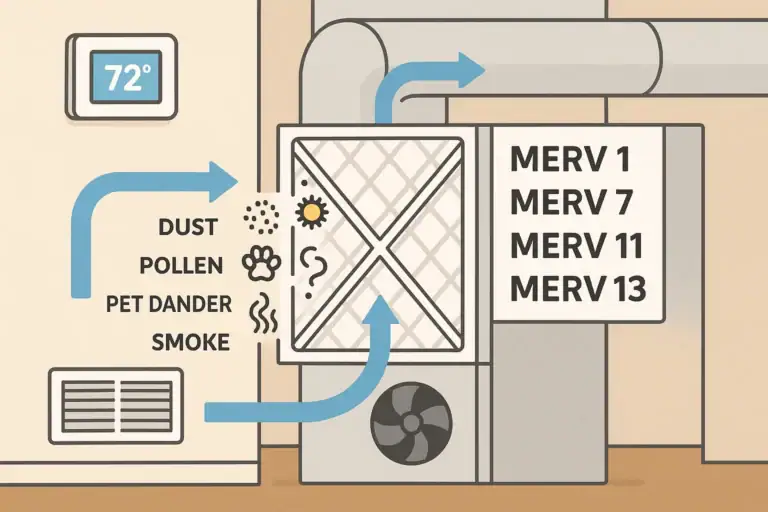 Understanding MERV Filter Ratings for Your Home HVAC System
 Air Purifier for Pet Odors: What It Helps With and What It Won’t Remove