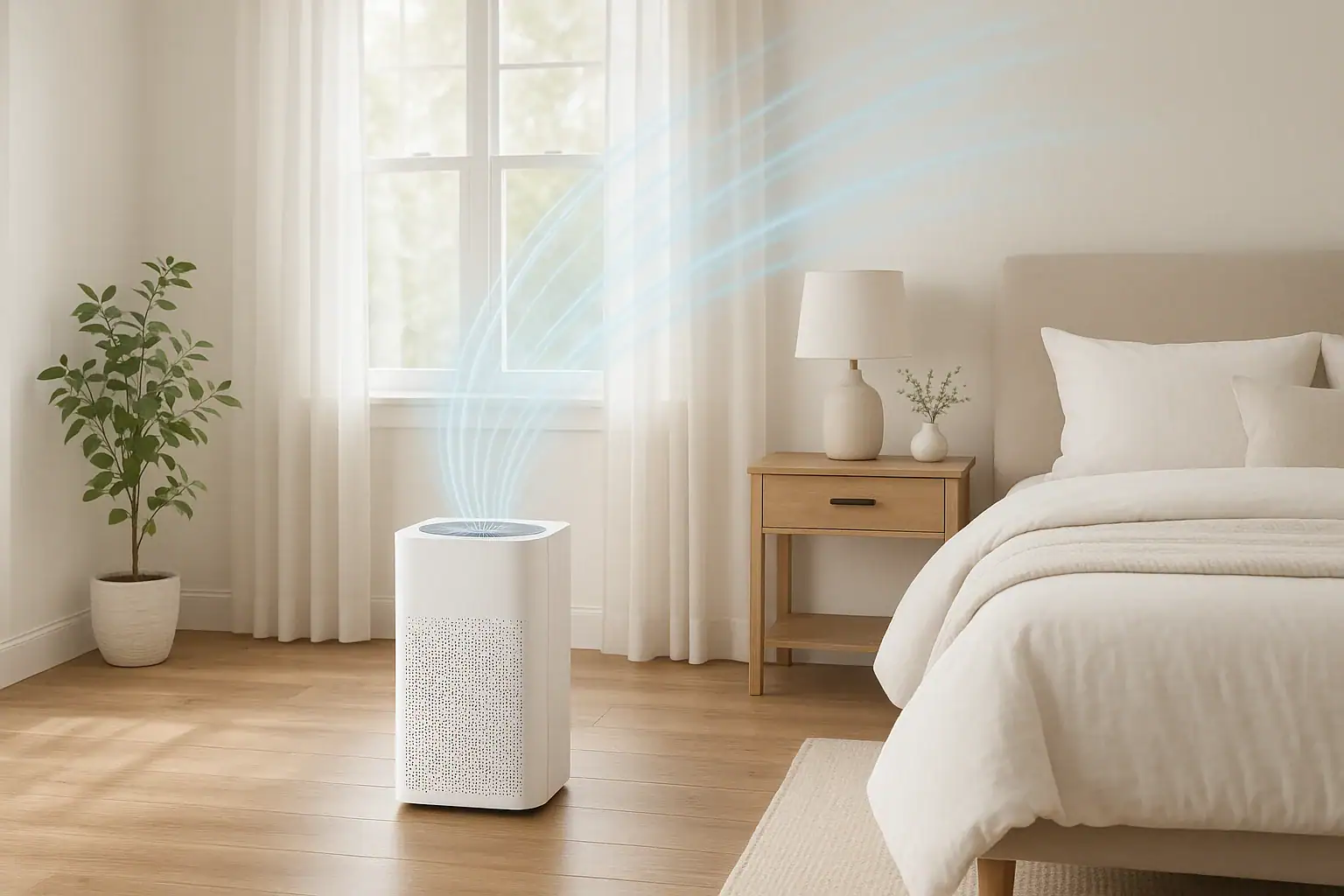
When you invest in an air purifier, you expect cleaner, fresher air. So it can be alarming when the purifier itself starts to smell. Whether it is a musty odor, a plastic or burning smell, or even a sour scent, a smelly air purifier is usually a sign that something is off with the filter, the humidity in the room, or the way the unit is being used. The good news is that most issues are easy to diagnose and fix at home with a little troubleshooting.
This guide explains the most common reasons your air purifier smells, how filters and humidity play a role, and what you can safely do to get rid of odors. You will also learn when it is time to stop troubleshooting and call in a professional or replace the unit. Use this step‑by‑step approach to restore clean, neutral air and keep your purifier running safely and efficiently.
Is It Normal for an Air Purifier to Smell?
Some light odors from an air purifier can be normal, especially when the unit is brand new or after you change a filter. However, strong, persistent, or unpleasant smells are usually a sign that something needs attention.
Normal, temporary smells may include:
- A faint plastic or chemical smell the first few days after purchase
- A mild dusty smell right after installing a new filter
- A slight ozone‑like or metallic scent from certain technologies when used on higher settings
Smells that are usually not normal include:
- Strong musty or moldy odors
- Sour, sweaty, or “dirty sock” smells
- Burning plastic, hot metal, or electrical smells
- Rotten egg, fishy, or sewage‑type odors
If your purifier is producing any of the stronger odors above, it is time to dig into the possible causes and fix them quickly.
Common Causes of Air Purifier Odors
Most air purifier smells trace back to a handful of root causes. Understanding what is behind the odor will help you choose the right fix instead of just masking the smell.
1. Dirty or Saturated Filters
Filters are the heart of an air purifier. Over time they trap dust, pet dander, smoke particles, and volatile organic compounds. When filters become overloaded, they can start to release unpleasant odors instead of capturing them.
Signs your filters are the problem include:
- The unit smells dusty or stale when it turns on
- The smell gets stronger on higher fan speeds
- You have not changed or cleaned filters for several months or longer
Different filter types can create different smells when dirty:
- Pre‑filters clogged with hair and dust can smell musty or like old fabric.
- Particle filters full of fine dust and allergens can smell stale or earthy.
- Carbon filters saturated with odors and fumes can start to smell like the odors they absorbed, such as smoke or cooking smells.
2. High Humidity and Moisture Buildup
Humidity plays a big role in how your air purifier smells. In a damp room, moisture can collect on filters and internal surfaces. This creates a perfect environment for mold, mildew, and bacteria to grow, which can produce strong musty or sour odors.
Humidity‑related problems are more likely if:
- Your home is in a humid climate or you do not use air conditioning much in summer
- The purifier is in a bathroom, basement, laundry room, or near a humidifier
- You notice condensation on windows or a generally damp feeling in the room
Moisture can also cause dust and debris to clump together inside the purifier, making it harder for the unit to move air and increasing the chance of odors.
3. Mold or Mildew Growth Inside the Unit
If moisture and dust linger together inside the purifier, mold or mildew can begin to grow on filters, plastic surfaces, or in air pathways. This often produces a strong musty or earthy smell that does not go away even after you clean the outer surfaces.
Clues that mold might be involved include:
- A persistent musty odor that gets worse over time
- Dark spots, fuzz, or discoloration on filters or interior parts
- Odor is strongest right at the purifier’s air outlet
4. Off‑Gassing from New Materials
New air purifiers and replacement filters can release a temporary chemical or plastic smell. This is called off‑gassing and comes from manufacturing residues and packaging. While it can be noticeable, it usually fades within a few days to a couple of weeks.
Off‑gassing is most likely if:
- The unit or filter is brand new
- The smell is plastic‑like, slightly sweet, or chemical
- The odor gradually gets weaker with use and ventilation
5. Electrical or Overheating Issues
A burning, hot, or sharp chemical smell can point to an electrical problem or an overheating motor. This is a safety issue and should be taken seriously.
Warning signs include:
- Burning plastic or hot metal smell
- Crackling, buzzing, or unusual noises
- The unit feels excessively hot to the touch
- The smell appears suddenly and strongly
If you suspect an electrical issue, turn the purifier off, unplug it, and do not continue using it until it has been inspected or replaced.
6. Odors from the Room Being Recirculated
Sometimes the purifier is not the original source of the smell at all. Instead, it may be pulling in odors from the room and pushing them back out, especially if the filter is worn out or not designed to handle certain fumes.
Common room odors that can seem like purifier odors include:
- Cooking smells from nearby kitchens
- Pet odors from litter boxes or bedding
- Strong cleaning products, paints, or solvents
- Smoke from candles, fireplaces, or tobacco
How Filters and Humidity Interact to Create Odors
Filters and humidity are closely connected when it comes to air purifier smells. When the air is humid, filters absorb moisture along with particles. Damp filters are less effective at trapping new particles and more likely to support microbial growth.
Here is how this interaction can lead to odors:
- High humidity makes dust and organic matter stick to filters more easily.
- Moist, dusty filters provide food and water for mold and bacteria.
- As microbes grow, they release musty or sour‑smelling compounds.
- The purifier then blows these smells back into the room.
Keeping indoor humidity in a moderate range and changing filters on schedule are two of the most effective ways to prevent these odor cycles from starting.
Step‑by‑Step Troubleshooting: Why Your Air Purifier Smells
Use this simple checklist to track down the cause of your air purifier odor and choose the right fix.
Step 1: Identify the Type of Smell
First, describe the odor as specifically as you can. This will narrow down the likely causes.
- Musty or earthy: Often linked to mold, mildew, or damp filters.
- Sour, sweaty, or “dirty sock”: Common with bacterial growth in humid conditions.
- Plastic or chemical: May be off‑gassing from new parts or overheating plastic.
- Burning or electrical: Possible motor or wiring issue; treat as a safety concern.
- Smoky, cooking, or pet‑like: May be room odors that filters can no longer absorb.
Step 2: Check Filter Age and Condition
Turn off and unplug the purifier before opening it. Remove each filter and inspect it in good light.
- Look for heavy dust buildup, discoloration, or visible mold.
- Smell the filters up close. If the odor is strongest there, they likely need replacing.
- Compare your filter change schedule to the manufacturer’s recommended timeline.
If filters are past their recommended life or show signs of damage or mold, replacement is usually the best fix.
Step 3: Evaluate Humidity in the Room
Next, think about the room environment.
- Is the purifier in a damp basement, bathroom, or laundry area?
- Do you regularly run a humidifier nearby?
- Do windows fog up, or does the room feel clammy?
If the space is humid, your purifier will be more prone to musty smells. Consider moving it to a drier room or using a dehumidifier to keep humidity in a moderate range.
Step 4: Inspect the Interior for Dust and Mold
With filters removed and the unit unplugged, gently inspect the interior.
- Look for dust buildup on the fan blades and air channels.
- Check for dark spots, fuzzy growth, or slimy areas that might indicate mold.
- Use a flashlight to see into corners and seams.
Light dust can often be cleaned at home. If you see significant mold growth inside the housing, it may be safer to replace the unit, since mold can be difficult to fully remove from porous or hard‑to‑reach surfaces.
Step 5: Rule Out Electrical Problems
If the odor is burning, sharp, or chemical in a way that suggests hot plastic or wiring, do not continue to run the purifier. Unplug it immediately.
Check for:
- Discolored or melted plastic near vents or power connections
- Visible damage to the power cord or plug
- Unusual noises or vibration before the smell appeared
Electrical issues are not safe to troubleshoot on your own. In this case, replacement or professional repair is the safest option.
How to Fix a Smelly Air Purifier
Once you know the likely cause, use these practical steps to clear the odor and restore fresh air.
1. Replace Old or Contaminated Filters
For most odor issues, fresh filters are the simplest and most effective solution.
Basic steps:
- Unplug the unit before opening it.
- Remove all filters in the correct order.
- Dispose of old filters in a sealed bag if they are dusty or moldy.
- Install new filters according to the airflow arrows and instructions.
- Reset any filter change indicators if your model has them.
Going forward, set a reminder to replace filters on schedule. In homes with pets, smokers, or heavy dust, you may need to change them more often than the basic recommendation.
2. Clean the Pre‑Filter and Housing
Many purifiers have a washable pre‑filter that catches larger particles before they reach the main filter. Cleaning this regularly can reduce odors and extend the life of other filters.
To clean safely:
- Check the manual to confirm the pre‑filter is washable.
- Rinse it gently with lukewarm water until the water runs clear.
- Allow it to dry completely before reinstalling to avoid moisture buildup.
- Wipe the inside of the housing with a slightly damp cloth, then dry thoroughly.
Avoid harsh cleaners or sprays inside the unit, as residues can be released into the air later.
3. Address Humidity Problems
If you suspect humidity is causing musty or sour smells, focus on drying out the environment.
- Use a dehumidifier to keep indoor humidity in a comfortable, moderate range.
- Improve ventilation by running exhaust fans in bathrooms and kitchens.
- Move the purifier away from humidifiers, aquariums, or damp walls.
- Allow filters and pre‑filters to dry fully after cleaning before turning the unit back on.
4. Air Out New Units and Filters
For new purifiers or replacement filters with a plastic or chemical smell, off‑gassing usually fades with time and airflow.
To speed this up:
- Run the purifier on a higher setting in a well‑ventilated room.
- Open windows when weather allows to help disperse odors.
- Let new filters sit out of their packaging for a short period before installation, if the instructions allow it.
5. Improve Room Air Quality Around the Purifier
If the purifier seems to smell like whatever is going on in the room, it may simply be overwhelmed by the volume or type of odors.
Helpful steps include:
- Reducing sources of strong odors, such as smoking indoors or using heavy fragrances.
- Keeping litter boxes, trash cans, and dirty laundry away from the purifier’s intake.
- Ventilating during and after cooking, cleaning, or painting.
When the overall air in the room is cleaner, your purifier will be more effective and less likely to seem like the source of smells.
When to Replace Your Air Purifier
Even with good maintenance, there are times when it makes more sense to replace an air purifier than to keep trying to fix odors.
Consider replacement if:
- There is persistent mold growth inside the housing that you cannot safely remove.
- Burning or electrical smells return after cleaning and filter replacement.
- The unit is very old and replacement filters are hard to find.
- Performance has dropped noticeably even with fresh filters and a clean interior.
A newer, well‑maintained purifier in a reasonably dry, clean room is far less likely to develop chronic odor issues.
Simple Maintenance Habits to Prevent Future Smells
Preventing odors is easier than getting rid of them once they appear. A few small habits can keep your air purifier smelling neutral and working efficiently.
- Follow the filter schedule: Mark calendar reminders to check and replace filters on time.
- Vacuum and dust regularly: Less dust in the room means less buildup inside the purifier.
- Keep humidity in check: Avoid placing the unit in chronically damp areas when possible.
- Give it space: Leave a few feet of clearance around the purifier for good airflow.
- Inspect seasonally: Every few months, unplug the unit, open it, and look for dust or moisture issues.
Key Takeaways
If your air purifier smells, it is usually a sign that filters are dirty, humidity is too high, or the unit needs a basic cleaning. Musty and sour odors often point to moisture and microbial growth, while burning smells suggest a possible electrical issue that should not be ignored.
By identifying the type of odor, checking filter condition, managing humidity, and keeping up with routine maintenance, you can usually restore clean, neutral air without much hassle. When in doubt, especially with burning or persistent moldy smells, it may be safer to retire the unit and start fresh with a new purifier and better humidity control.
For more tips on keeping your home’s air comfortable and healthy, explore related guides in the air and comfort section at Signature Home Guide.
 Musty Smell When the AC Turns On: Troubleshooting and Fixes
 Why Your Home Feels Dry Even When Humidity Is Normal
 Why One Room Feels More Humid Than the Rest of the House