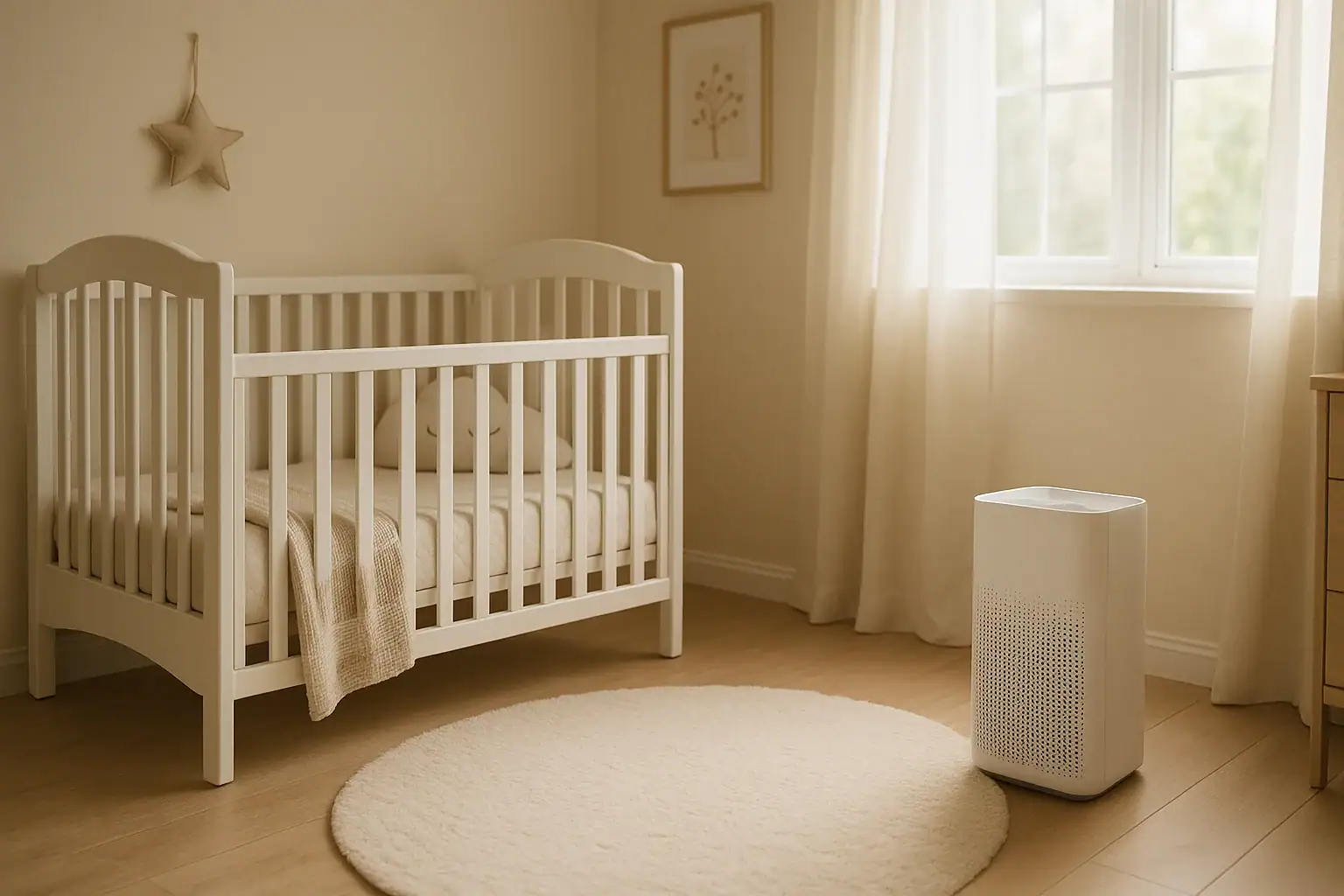
Clean air is especially important in a nursery, where a baby spends many hours sleeping and breathing in the same room. Dust, pet dander, pollen, and other particles can irritate tiny lungs, and some homes may also have odors or pollutants from cooking, cleaning products, or nearby traffic. An air purifier can help reduce many of these airborne particles, but it needs to be used safely and thoughtfully around a baby. This guide walks you through how to choose and use an air purifier in a nursery, what safety features to look for, how loud is too loud, and how to place and maintain the unit so your baby can breathe easier and sleep soundly.
Do You Need an Air Purifier in a Nursery?
Not every nursery absolutely requires an air purifier, but in many homes it can be a helpful addition. Understanding what an air purifier can and cannot do will help you decide whether it is worth adding to your baby’s room.
What an Air Purifier Can Help With
- Dust and dust mites: Helps capture fine dust and particles that settle on furniture, bedding, and toys.
- Pollen and outdoor pollutants: Useful if you live in an area with seasonal allergies or high outdoor pollution.
- Pet dander: Can reduce airborne dander if you have cats, dogs, or other furry pets in the home.
- Some smoke and odors: Certain filters can help reduce lingering smoke or cooking odors that drift into the nursery.
What an Air Purifier Cannot Do
- Replace ventilation: It does not bring in fresh outdoor air; you still need proper ventilation when safe to do so.
- Fix mold or moisture problems: It may catch some mold spores, but it will not solve a moisture or mold source issue.
- Guarantee allergy relief: It can reduce exposure, but it is only one part of a broader allergy or asthma plan.
If your home is generally clean, smoke-free, and well ventilated, an air purifier is a nice-to-have. If you have allergies, pets, or live in a high-pollution or wildfire-prone area, it may be closer to a must-have for your baby’s comfort.
Key Safety Considerations for Nursery Air Purifiers
Safety should always come before convenience or extra features. When choosing an air purifier for a baby’s room, focus on how the device operates, what it emits, and how it will be used day to day.
Avoid Ozone-Producing Purifiers
Some devices marketed as air cleaners generate ozone or use ionizing technology that can create ozone as a byproduct. Ozone can irritate the lungs and airways, especially in infants and young children. For nursery use, choose a mechanical filtration unit that relies on a physical filter rather than ozone or ionization as the main method of cleaning the air.
Look for descriptions such as:
- Mechanical filtration with particle filters
- HEPA or high-efficiency particulate filters
- No intentional ozone generation or ion-only cleaning
Check for Child-Safe Design
Babies quickly become curious toddlers who want to push buttons and pull on cords. Choose a purifier that is harder for small hands to tamper with.
- Stable base: A low, wide design is less likely to tip if bumped.
- Covered air intake and outlet: No exposed fan blades or sharp edges.
- Lockable controls: A child lock or simple control panel that is not easily changed by tapping.
- Certified electrical safety: Look for common US safety certifications and use a grounded outlet.
Safe Distance from the Crib
Do not place the air purifier directly next to the crib. Strong airflow can be uncomfortable for a baby, and the device itself should not be within reach as your child grows.
- Keep the unit at least 3 to 6 feet away from the crib.
- Position it so that air circulates around the room, not blowing straight at your baby’s face.
- Ensure there is clear space around the intake and outlet so it can work efficiently.
Power Cord and Outlet Safety
Power cords can be a tripping or strangulation hazard if not managed carefully in a nursery.
- Use an outlet that is behind furniture when possible.
- Secure or hide cords with cord covers, clips, or channels along the wall.
- Avoid running cords under rugs or where they can overheat or be chewed.
- Use outlet covers on any unused outlets within reach.
Choosing the Right Filter Type for a Baby’s Room
The filter is the heart of the air purifier. Understanding the main types will help you pick one that fits your baby’s needs without adding unnecessary risks.
High-Efficiency Particle Filters
For most nurseries, a high-efficiency particle filter is the top priority. These filters are designed to capture very small particles, including many that can irritate sensitive airways.
- Good for: Dust, pollen, pet dander, some smoke particles, and other fine airborne particles.
- Why it matters: Babies breathe more air per pound of body weight than adults, so reducing particle levels can be helpful, especially if there are allergies or asthma in the family.
Activated Carbon or Odor Filters
Some purifiers include an additional filter layer designed to help reduce odors and certain gases.
- Good for: Cooking smells, mild chemical odors from new furniture or paint, and everyday household odors.
- Considerations: These filters do not capture particles on their own; they are best used along with a particle filter.
Filter Replacement and Cost
Filter maintenance is part of keeping the purifier safe and effective in a nursery.
- Check how often filters need to be replaced (often every 6–12 months, depending on use).
- Factor in the cost of replacement filters when choosing a model.
- Follow the manufacturer’s schedule; a clogged filter can reduce airflow and efficiency.
Noise Levels: How Quiet Should a Nursery Air Purifier Be?
Noise is one of the most important factors in choosing a purifier for a baby’s room. A gentle hum can act as white noise, but a loud fan may disrupt naps and overnight sleep.
Understanding Noise Ratings
Noise is usually listed in decibels (dB). Lower numbers indicate quieter operation.
- 30 dB or lower: Very quiet, similar to a soft whisper; ideal for sleep.
- 30–40 dB: Gentle background noise, often acceptable for nurseries.
- Above 45 dB: May be too loud for some babies, especially at night.
When possible, look for units that list separate noise levels for each fan speed. The lowest speed is usually the quietest and most suitable for nighttime use.
Using White Noise to Your Advantage
A steady, soft fan sound can actually help many babies fall asleep and stay asleep by masking sudden noises, such as doors closing or traffic outside. The key is consistency and volume.
- Run the purifier on a low, steady setting during naps and nighttime.
- Avoid frequent changes in fan speed that could startle your baby.
- If your baby seems sensitive to sound, start with the purifier on before you put them down, so they fall asleep with the noise already present.
Testing Noise Before Regular Use
Before making the purifier a permanent part of the nursery, test it for a few days.
- Run the purifier in your own bedroom or living room at different speeds.
- Pay attention to any rattles, beeps, or high-pitched tones that might bother a baby.
- Decide which speed provides a balance between quiet operation and effective airflow.
Where to Place an Air Purifier in a Nursery
Placement affects both safety and performance. The goal is to clean the air in the room without creating drafts or hazards.
General Placement Guidelines
- Place the unit on the floor or a sturdy low table, not on top of a dresser where it could fall.
- Keep at least 12–18 inches of clearance around the air intake and outlet.
- Avoid blocking the purifier with curtains, toys, or furniture.
- Do not place it inside the crib or on any surface where the baby can pull it down.
Distance from Sleeping Area
Air should circulate around the room, not blow directly on your baby.
- Position the purifier across the room or diagonally from the crib.
- If the nursery is small, aim the outlet toward the center of the room rather than straight at the crib.
- Adjust fan speed to avoid a noticeable draft where your baby sleeps.
Avoid High-Hazard Spots
Some locations are more likely to create safety issues.
- Avoid placing the purifier near water sources like humidifiers or open windows during rain.
- Keep it away from loose bedding, curtains, or canopies that could obstruct vents.
- Do not balance it on soft surfaces such as beds or cushions.
Daily Use: Settings and Routines That Work for Babies
Once you have chosen and placed an air purifier, consistent and calm operation will help your baby adjust and sleep well.
Choosing Fan Speeds and Modes
Many purifiers offer multiple speeds and sometimes automatic modes that adjust based on air quality. For a nursery, simplicity is often best.
- Use a low or medium speed most of the time for quieter operation.
- If the unit has a sleep or night mode, try that setting during naps and overnight.
- Avoid frequent switching between modes, which can cause sudden changes in noise levels.
Managing Lights and Indicators
Bright indicator lights can be distracting in a dark nursery.
- Look for a display dimmer or light-off option if available.
- If lights cannot be turned off, you can gently cover them with opaque tape or a small cover, without blocking vents.
- Check that any light-blocking solution does not overheat or interfere with controls.
When to Run the Air Purifier
Decide whether to run the purifier continuously or only at certain times.
- Continuous low-speed operation: Keeps air more consistently filtered and maintains steady white noise.
- Daytime only: Works if your baby is sensitive to sound, but may reduce the white noise benefit at night.
- During known triggers: For example, on high pollen days or when nearby wildfires affect outdoor air.
Cleaning and Maintenance for a Healthy Nursery
Regular maintenance keeps the purifier effective and prevents it from becoming a source of dust or odors itself.
Filter Replacement Schedule
Follow the manufacturer’s guidelines for filter changes, and consider your home’s specific conditions.
- Mark filter change dates on a calendar or phone reminder.
- If you have pets, smoke, or heavy dust, you may need to replace filters more often than the minimum recommendation.
- Replace filters immediately if you notice reduced airflow, unusual smells, or visible buildup.
Exterior Cleaning
The outside of the purifier can collect dust, which may end up back in the air if not cleaned.
- Turn off and unplug the purifier before cleaning.
- Wipe the exterior with a slightly damp cloth and then dry it.
- Use a soft brush or vacuum attachment to gently clean grilles and vents.
- Avoid using harsh cleaners or sprays directly on the unit.
Combining Purifier Use with Other Clean-Air Habits
An air purifier works best as part of a broader approach to indoor air quality in your baby’s room.
- Wash bedding regularly in hot water, including crib sheets and washable crib liners.
- Dust and vacuum the nursery weekly, using a vacuum with a good filter if possible.
- Avoid smoking inside the home or near open windows and doors.
- Use gentle, low-odor cleaning products and allow the room to air out after painting or new furniture installation.
Signs Your Nursery Air Purifier Is Helping
It can be hard to see air quality changes, but there are practical signs that your purifier is doing its job.
- Less visible dust on flat surfaces between cleanings.
- Reduced odors in the nursery, especially after cooking or cleaning.
- Fewer sneezes or sniffles for family members with mild allergies, especially during high-pollen seasons.
While an air purifier is not a medical device, many families notice that cleaner air contributes to a more comfortable environment for their baby, especially when combined with good cleaning and ventilation habits.
Final Thoughts: Balancing Safety, Quiet, and Comfort
An air purifier can be a helpful tool in creating a calm, comfortable nursery for your baby, but it should be chosen and used with care. Focus on a model that uses mechanical filtration, avoid ozone-producing technologies, and pay close attention to noise levels and placement. Keep cords and controls out of reach, use low or sleep modes at night, and maintain the filter on schedule.
By treating the air purifier as one part of a broader air quality plan—along with regular cleaning, smoke-free indoor air, and thoughtful ventilation—you can help your baby breathe easier and sleep more peacefully in their nursery.
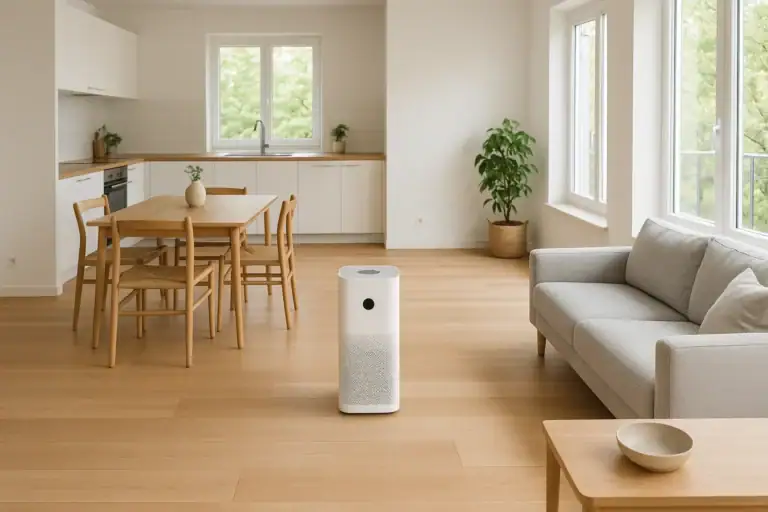 Air Purifier Placement in an Open Floor Plan: Practical Guide and Realistic Expectations
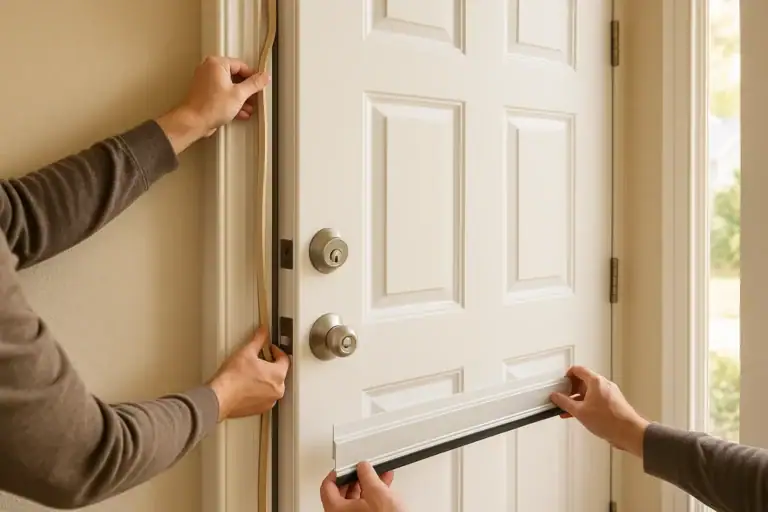 Door Sweep and Weatherstripping Comfort Upgrade Guide
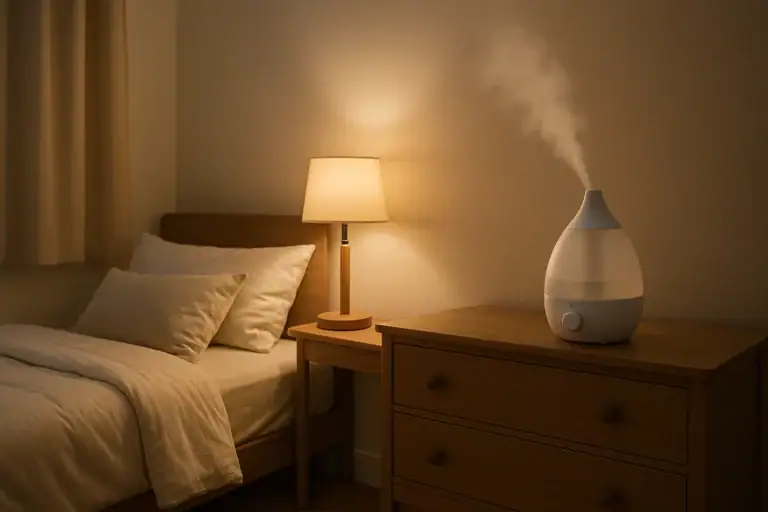 Humidifier Placement in a Bedroom: Where It Works Best and What to Avoid