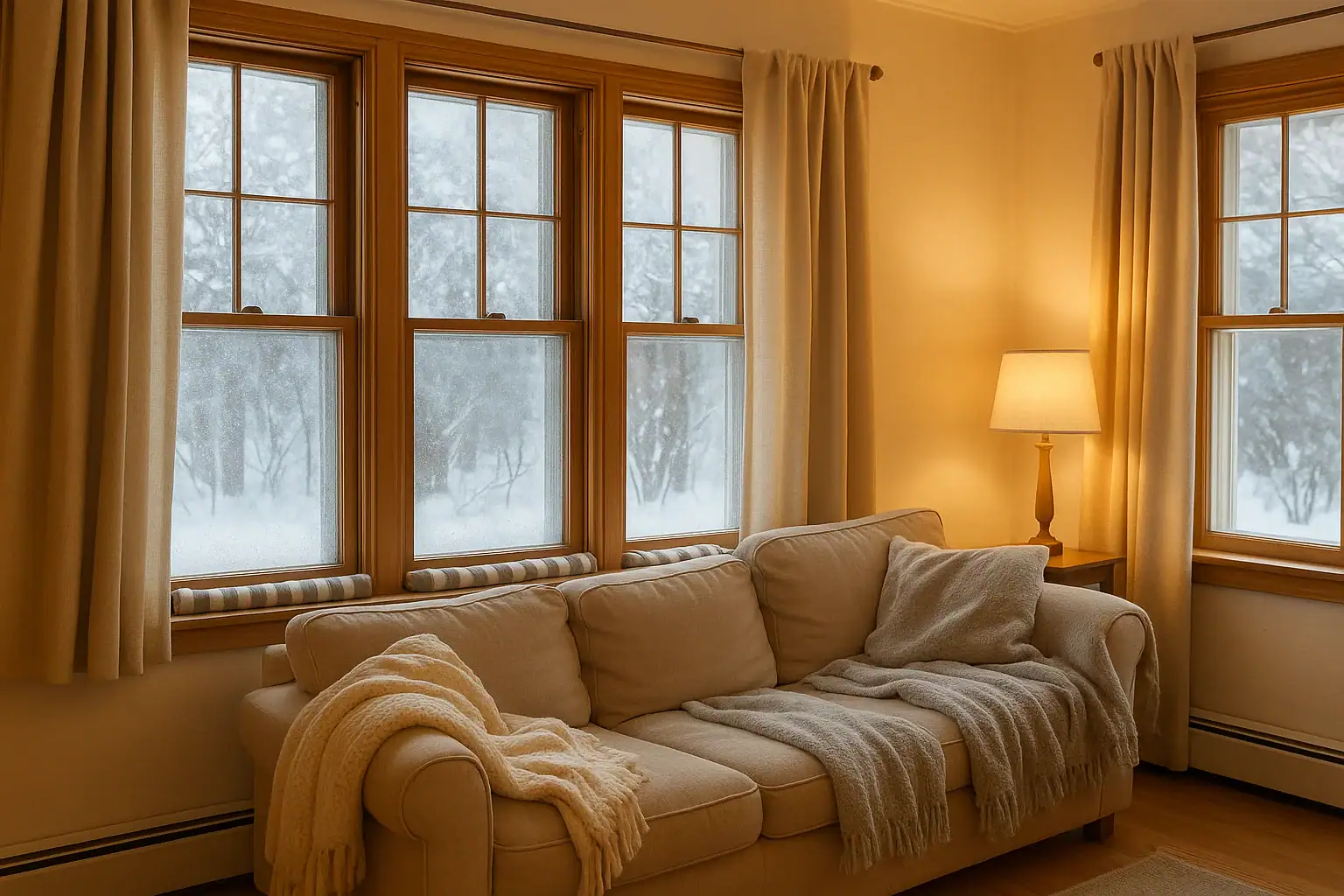
When cold weather hits, drafty windows can make your whole home feel uncomfortable. You might notice cold air sneaking in around the frames, chilly spots near the glass, or a heating system that never seems to shut off. While full window replacement can be expensive, you do not have to live with drafts all winter. There are many low-cost, do-it-yourself steps you can take to seal leaks, add insulation, and feel warmer without cranking up the thermostat. This checklist walks you through practical, budget-friendly fixes you can tackle over a weekend to keep your home cozier and your heating bills under control.
Use this guide as a step-by-step plan: first, find where the drafts are coming from, then choose the right quick fix for your windows, and finally add extra insulation and comfort upgrades. Most of these ideas use basic tools and inexpensive supplies from a typical home center, and you can prioritize the projects that give you the biggest comfort boost for the smallest cost.
Step 1: Find Where the Drafts Are Coming From
Before you start sealing anything, you need to know exactly where cold air is getting in. Drafts can sneak through tiny gaps you may not see at first glance, so a quick inspection is worth the time.
Simple draft-detection tricks
Use these easy methods to locate problem spots around your windows:
- Hand test: On a cold, windy day, slowly move your hand around the edges of each window frame, sill, and sash. Feel for cold air or temperature changes.
- Tissue or ribbon test: Hold a small strip of tissue or lightweight ribbon near the window edges. If it flutters, you have air movement.
- Flashlight test (nighttime): Have someone shine a flashlight from outside while you stand inside in the dark. Look for light peeking through gaps around the frame.
- Candle test (use with care): With heating off and fans off, hold a candle or incense stick near the frame. If the flame flickers or smoke moves sharply, air is leaking. Keep the flame away from curtains and never leave it unattended.
Common draft hot spots around windows
As you test, pay special attention to these areas where leaks usually show up:
- Where the window frame meets the wall
- Along the bottom edge of the sash or at the sill
- Between the moving parts of the window (where it slides or swings)
- Around the lock and latch area
- Cracks in old caulk or missing sealant outside the window
Write down which windows are the worst and where the air is coming from. This quick checklist will help you choose the right cheap fix for each problem area.
Step 2: Quick, Cheap Fixes for the Worst Drafts
Once you know where the cold air is sneaking in, start with the easiest and most affordable solutions. Many of these fixes cost less than a takeout meal and can make a noticeable difference the same day.
Checklist: Fast fixes you can do in an afternoon
- Install clear plastic window insulation film
- Add removable rope caulk around gaps
- Use foam weatherstripping on sashes and frames
- Block drafts with draft stoppers or rolled towels
- Re-seal exterior gaps with caulk (if weather allows)
Plastic window insulation film
Clear plastic film kits create an extra layer of still air between your room and the cold glass. This works like a temporary storm window and is one of the most effective low-cost winter upgrades.
How to use it:
- Clean the window frame so tape will stick.
- Apply the double-sided tape around the inside of the frame.
- Cut the plastic slightly larger than the window opening.
- Press the plastic onto the tape, starting at the top and smoothing as you go.
- Use a hair dryer on low or medium heat to gently shrink and tighten the film.
Best for: Very drafty windows you do not plan to open until spring, especially in bedrooms and living areas.
Rope caulk for cracks and gaps
Rope caulk is a soft, putty-like material you can press into cracks around the window frame. It is removable, so it is a good choice for renters or for older windows you plan to upgrade later.
How to use it:
- Warm the rope caulk in your hands so it is flexible.
- Press it firmly into visible cracks where the frame meets the wall or trim.
- Smooth it with your finger or a plastic tool for a clean look.
- In spring, peel it off and discard.
Best for: Small gaps and seams around the interior frame where cold air seeps in.
Foam weatherstripping on moving parts
Self-adhesive foam weatherstripping helps close the gap between the sash and the frame. It is inexpensive and easy to cut to size.
How to use it:
- Clean and dry the surface where you will apply the foam.
- Measure the length of each side of the sash or frame.
- Cut the foam strips to length with scissors.
- Peel off the backing and press the foam into place, making sure the window can still close and latch.
Best for: Windows that still need to open and close but have noticeable gaps along the sides or top.
Draft stoppers and rolled towels
If cold air pours in along the bottom of the window, a simple fabric draft stopper or even a rolled towel can make a surprising difference.
How to use it:
- Roll up a towel or blanket and place it snugly along the window sill.
- For a more permanent option, sew or buy a long fabric tube filled with rice or batting.
- Slide it against the base of the window frame whenever the window is closed.
Best for: Renters and anyone who needs a zero-tools, nearly free solution.
Exterior caulk touch-ups (weather permitting)
If outdoor temperatures are mild enough for caulk to cure, sealing exterior gaps can reduce drafts and help protect against moisture.
How to use it:
- Inspect around the outside of each window where the frame meets the siding or exterior trim.
- Scrape away loose or cracked old caulk.
- Apply a fresh bead of exterior-grade caulk along the seam.
- Smooth it with a caulk tool or a damp finger.
Best for: Homeowners who can safely access the exterior of their windows and want a longer-lasting fix.
Step 3: Add Insulation and Layers for Extra Warmth
After you tackle the worst leaks, you can boost comfort even more by adding layers that slow heat loss through the glass itself. These upgrades are still budget-friendly but can make a big difference in how warm a room feels.
Checklist: Low-cost insulation upgrades
- Hang thermal or insulated curtains
- Use curtain liners behind existing drapes
- Add tension rods with layered window coverings
- Install removable interior window panels if you are handy
Thermal curtains and heavy drapes
Thick, lined curtains create a barrier between the cold glass and your living space. They are especially helpful at night when temperatures drop.
Tips for better performance:
- Choose curtains that reach at least to the sill, or to the floor for maximum coverage.
- Install the rod a few inches above the window and extend it past the sides to reduce gaps.
- Close curtains at dusk to trap heat, and open them on sunny days to let in warmth.
Curtain liners and layered window coverings
If you already have curtains you like, adding a liner can give you most of the benefit of thermal drapes without a full replacement.
Layering ideas:
- Attach clip-on liners to the back of your existing curtains.
- Use a second tension rod to hang a lightweight panel close to the glass, then hang your decorative curtain in front.
- Combine blinds or shades with curtains to trap a layer of still air.
Removable interior window panels
For those comfortable with simple DIY projects, interior panels made from clear plastic or rigid foam board can act like temporary storm windows from the inside.
Basic approach:
- Measure the inside of the window frame carefully.
- Cut a clear plastic sheet or foam board slightly larger than the opening.
- Use weatherstripping or adhesive-backed foam around the edges to create a snug fit.
- Press the panel into place during winter and remove it in warmer months.
This option costs more than film or foam tape but can be reused for several seasons if stored carefully.
Step 4: Improve Comfort Room by Room
Drafty windows do not affect every room the same way. Bedrooms, living rooms, and home offices often feel the coldest because you spend more time sitting still in those spaces. Use this room-by-room checklist to focus your efforts where they matter most.
Bedrooms
- Install plastic film on the draftiest bedroom windows.
- Use thick curtains or layered window coverings to block nighttime cold.
- Place the bed away from exterior walls and windows if possible.
- Use a draft stopper on windows near the head of the bed.
Living rooms and family rooms
- Seal obvious gaps with rope caulk and weatherstripping first.
- Add heavy drapes that you can open during the day and close at night.
- Rearrange seating so chairs and sofas are not directly in front of drafty windows.
- Use area rugs to help insulate floors near exterior walls.
Home offices
- Seal the window closest to your desk with foam weatherstripping.
- Use a small draft stopper or rolled towel if cold air hits your feet.
- Consider a removable interior panel for a window right behind or beside your workstation.
Basements and lower levels
- Check for gaps where windows meet masonry or foundation walls.
- Use exterior-grade caulk on the outside and rope caulk on the inside.
- Add rigid foam board or insulated panels if windows are rarely used.
Step 5: Support Your Window Fixes with Whole-Home Habits
Sealing drafty windows is a big step, but a few simple habits can help your home feel warmer overall without major spending. These changes work alongside your window fixes to keep warm air where you want it.
Use your window coverings strategically
- Daytime: Open curtains on sunny south-facing windows to let in natural heat.
- Nighttime: Close all curtains and blinds to reduce heat loss through the glass.
- Windy days: Double-check that curtains fully cover the window edges.
Balance your heating system
- Make sure vents near windows are not blocked by furniture or heavy drapes.
- Close vents in rarely used rooms so more warm air reaches the coldest spaces.
- Use ceiling fans on low, with blades set to push warm air down in winter.
Check for other sources of drafts
Sometimes windows get the blame when other air leaks are also causing discomfort.
- Inspect exterior doors for gaps and add weatherstripping if needed.
- Check outlets and switch plates on exterior walls for drafts; use insulating pads if needed.
- Look around attic hatches or pull-down stairs for air leaks.
When Cheap Fixes Are Not Enough
Most of the time, the steps in this checklist will noticeably improve comfort and help reduce heating costs, especially if your windows were never sealed properly. However, there are situations where low-cost fixes can only do so much.
Signs you may need a bigger upgrade
- Windows will not close or latch securely, even after adjustments.
- You see condensation or frost between layers of glass.
- Wood frames are soft, rotting, or severely warped.
- Drafts remain strong even after sealing and insulating.
In these cases, you may want to plan for more significant improvements in the future, such as new windows or permanent storm windows. Until then, the cheap fixes in this guide can still help you get through a few winters more comfortably.
Printable Checklist: Cheap Fixes for Drafty Windows in Winter
Use this quick list as a reminder while you work your way around the house.
Inspection
- [ ] Do the hand test around each window frame and sill
- [ ] Use tissue or ribbon to spot moving air
- [ ] Note which rooms and windows feel coldest
Fast fixes
- [ ] Install clear plastic film on the draftiest windows
- [ ] Press rope caulk into visible cracks and gaps
- [ ] Add foam weatherstripping to loose sashes
- [ ] Place draft stoppers or rolled towels along leaky sills
- [ ] Re-caulk exterior seams if weather allows
Insulation and comfort
- [ ] Hang thermal curtains or add liners to existing drapes
- [ ] Layer blinds or shades behind curtains where possible
- [ ] Rearrange furniture away from cold windows
- [ ] Consider removable interior panels for problem windows
Whole-home habits
- [ ] Open curtains on sunny days, close them at night
- [ ] Keep heating vents clear of furniture and heavy fabrics
- [ ] Check doors, outlets, and attic access for additional drafts
By working through this checklist, you can turn drafty, uncomfortable rooms into warmer, more inviting spaces without a major renovation. Start with the worst windows, use the simplest fixes first, and build up to added insulation and smarter heating habits. A few hours of effort now can pay off all winter in better comfort and lower energy bills.
For more ways to improve comfort and air quality around your home, explore additional guides and seasonal checklists on air and comfort upgrades.
 How to Balance Airflow Between Rooms at Home: A Practical Checklist
 Noisy HVAC Vents: Common Causes and Simple Fixes You Can Try Today
 Ceiling Fan Direction for Summer vs Winter: A Clear Homeowner’s Guide