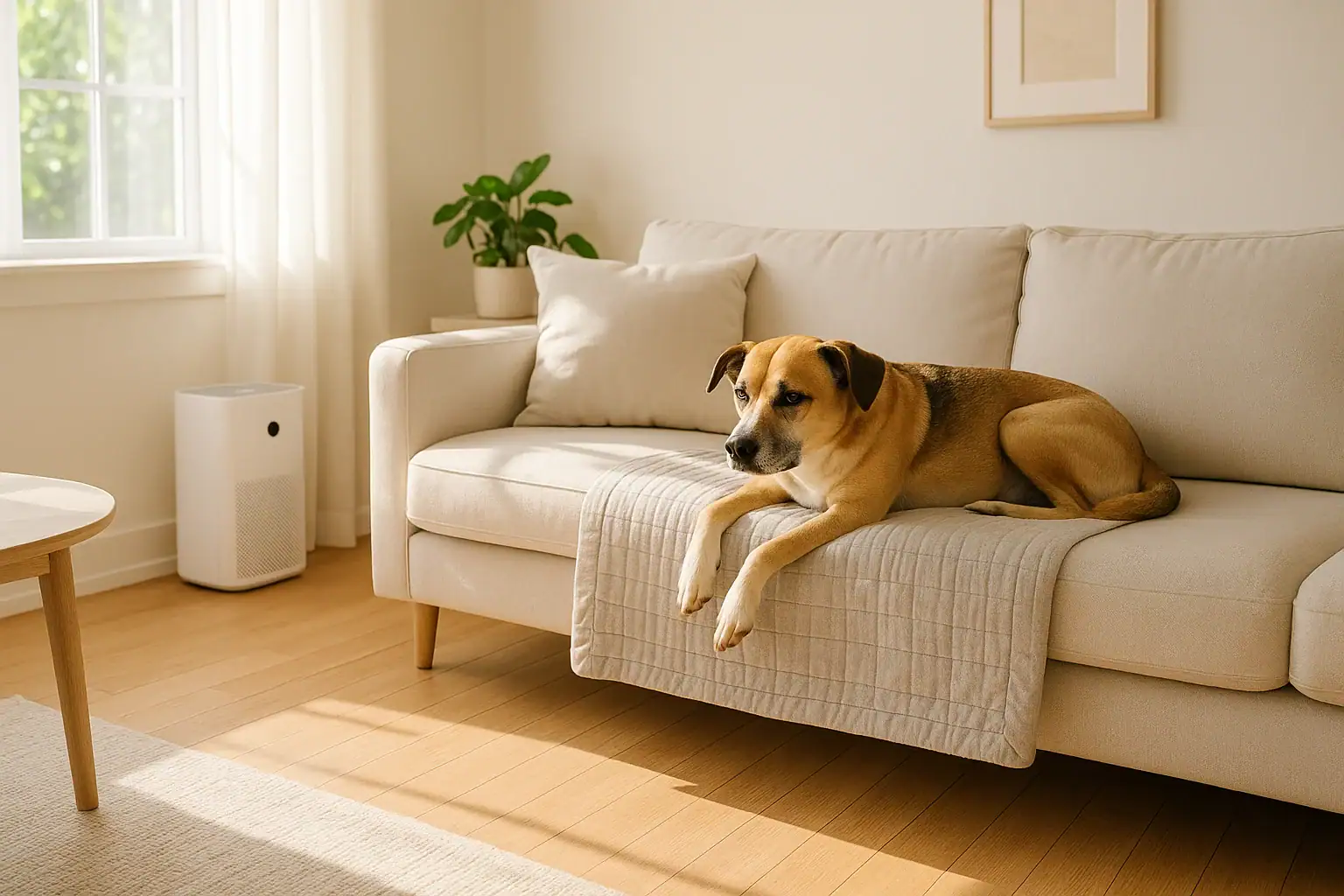
Sharing your home with pets should bring comfort, not constant sneezing and itchy eyes. Pet dander is made up of tiny skin flakes, dried saliva, and microscopic particles that easily become airborne and cling to every surface. Because these particles are so small, they can stay in the air for hours, settle into fabrics, and get stirred up again every time you sit on the couch or walk across the room. If you or someone in your home has allergies or asthma, that constant exposure can quickly turn into daily discomfort.
The good news is that you can dramatically cut pet dander levels with a realistic, repeatable plan. Instead of trying random tips and hoping they work, you can follow a simple checklist that combines surface cleaning, fabric care, and air filtration. This guide walks you through what to do daily, weekly, and monthly, plus how to set up your home so dander has fewer places to hide. Use it as a practical plan you can stick with, not a one-time deep clean that is impossible to maintain.
Understanding Pet Dander and Why It Lingers
Pet dander is not the same as pet hair. Hair is visible and easier to vacuum, while dander is microscopic and light enough to stay suspended in the air. These tiny particles can:
- Float in the air and move easily between rooms
- Stick to fabrics, rugs, and upholstered furniture
- Settle into cracks, vents, and hard-to-reach corners
- Trigger allergy and asthma symptoms even when pets are not in the room
Because dander is so persistent, you need a two-part strategy:
- Cleaning to remove dander from surfaces and fabrics
- Filtration to capture what is floating in the air
When you combine both, you stop dander from constantly recirculating and slowly lower the overall level in your home.
Step 1: Set Realistic Goals for Pet Dander Control
It is almost impossible to remove every trace of pet dander from a home that has animals. The goal is not perfection. Instead, aim for:
- Fewer allergy flare-ups and breathing issues
- Cleaner air in the rooms where you spend the most time
- Less visible dust and fur on floors and furniture
To get there, focus your efforts on high-impact areas: bedrooms, living rooms, and any room where your pets spend hours each day. You can be more relaxed in low-traffic spaces like storage rooms or guest rooms that are rarely used.
Daily Pet Dander Control Checklist
A few small habits each day can keep dander from building up and becoming overwhelming. This routine should take minutes, not hours.
1. Do a Quick Floor Sweep or Vacuum in High-Traffic Areas
Focus on the paths your pets use most: hallways, around food and water bowls, and favorite lounging spots. On hard floors, use a microfiber dust mop or vacuum with a hard-floor setting. On carpets and rugs, make one quick vacuum pass in the areas where your pet sleeps or plays.
2. Wipe Key Surfaces with a Damp or Microfiber Cloth
Dry dusting can push dander back into the air. Instead, use a slightly damp cloth or microfiber cloth to trap particles. Prioritize:
- End tables and coffee tables in living areas
- Nightstands and dressers in bedrooms
- Window sills where pets like to sit
3. Shake Out or Brush Pet Bedding Outdoors
If the weather allows, take pet blankets or small beds outside and give them a firm shake or brush. This keeps dander from spreading around your home. Follow up with regular washing as part of your weekly routine.
4. Run Air Filtration During Peak Activity Times
When pets are most active, more dander and fur get stirred into the air. Run your air filtration system or portable air cleaner during:
- Morning and evening playtime
- Vacuuming or sweeping
- Grooming sessions
This helps capture particles as they become airborne instead of letting them settle all over your home.
Weekly Pet Dander Control Checklist
Weekly tasks are where you make the biggest difference. Set aside a specific day so these steps become part of your routine.
1. Wash Pet Bedding and Soft Accessories
Wash items in warm or hot water if the fabric allows. Include:
- Pet beds and removable covers
- Blankets or throws your pets sleep on
- Soft toys that are machine washable
Dry completely to prevent musty odors. If you share your bed with pets, wash your own bedding weekly as well.
2. Deep Vacuum Carpets, Rugs, and Upholstery
Use a vacuum with strong suction and a brush or beater bar for carpets and rugs. For better dander control:
- Go slowly to allow the vacuum to pull up embedded particles
- Make overlapping passes in high-traffic pet areas
- Use upholstery tools on sofas, chairs, and fabric headboards
If possible, empty the vacuum canister or change the bag outdoors to avoid releasing dander back inside.
3. Launder or Refresh Human Fabrics Pets Use
Anything your pet regularly lies on will collect dander. Once a week, wash or refresh:
- Throw blankets and decorative pillows from couches and chairs
- Removable slipcovers
- Frequently used robes or sweaters that pets nap on
For items that cannot be machine washed, use a lint roller, fabric brush, or vacuum attachment to remove as much dander as possible.
4. Damp Mop Hard Floors
After vacuuming or sweeping, follow up with a damp mop on hard surfaces like wood, tile, or vinyl. This helps pick up the fine layer of dust and dander that sweeping alone can miss.
5. Groom Pets in a Controlled Area
Regular grooming reduces loose hair and dander before it spreads around your home. When you brush or comb your pet:
- Choose one easy-to-clean spot, such as a bathroom or outdoor area
- Lay down an old towel to catch fur and dander
- Vacuum or wipe the area immediately afterward
If baths are part of your pet care routine, follow your veterinarian’s guidance on how often to bathe to avoid drying out the skin, which can increase dander.
Monthly and Seasonal Pet Dander Checklist
Some tasks do not need to be done every week but make a big difference when done regularly over the year.
1. Wash or Dry-Clean Curtains and Drapes
Fabric window coverings collect dander, especially if pets like to sit on window sills. Once a month or at least once per season:
- Wash machine-safe curtains according to their care labels
- Vacuum heavier drapes with an upholstery attachment
- Consider replacing heavy fabrics with washable, lighter options
2. Clean Under and Behind Furniture
Dander and fur gather in hidden areas where air currents slow down. Every month, move or tilt furniture enough to:
- Vacuum under sofas, beds, and large chairs
- Wipe baseboards and corners with a damp cloth
- Check under pet beds and crates for buildup
3. Replace or Clean HVAC Filters
Your heating and cooling system can either help trap dander or blow it around the house. Follow these guidelines:
- Check filters monthly and change them as soon as they look dirty
- Choose filters rated to capture fine particles, including pet dander
- Make a note of the replacement date so you stay on schedule
If you have central air, consider having ducts inspected and cleaned periodically, especially if you notice dust blowing from vents or if it has been many years since the last cleaning.
4. Deep Clean Pet Zones
Pet zones are the areas where your animals spend most of their time, such as feeding stations, crate areas, and favorite sleeping spots. Once a month:
- Move food and water bowls and clean the floor underneath
- Wipe walls near beds or crates where pets rub against them
- Wash crate trays, mats, and covers thoroughly
Air Filtration That Actually Helps with Pet Dander
Surface cleaning is only half the solution. To truly cut down on dander, you need to capture what is floating in the air. That is where filtration comes in.
1. Use High-Quality Filters in Your HVAC System
If your home has a central heating and cooling system, the filter you choose matters. Look for filters designed to capture fine particles such as:
- Pet dander
- Dust and dust mites
- Pollen and other allergens
Make sure the filter rating is compatible with your system so you do not restrict airflow. When in doubt, consult a qualified technician for guidance.
2. Add Portable Air Cleaners in Key Rooms
Portable air cleaners are especially helpful in bedrooms and living rooms where you spend the most time. For best results:
- Choose a unit sized correctly for the room
- Run it on a higher setting when vacuuming or grooming pets nearby
- Keep doors and windows mostly closed while it is running so it can recirculate and clean the same air
3. Maintain Your Air Filtration Devices
Even the best filter will not help if it is clogged or overdue for replacement. Set reminders to:
- Replace disposable filters on schedule
- Wash reusable pre-filters as directed
- Vacuum vents and intake grilles to keep airflow strong
Room-by-Room Pet Dander Control Plan
Targeting specific rooms can make your efforts more effective, especially if someone in the home is highly sensitive to dander.
Bedroom
The bedroom is often the most important space to protect because you spend hours there each night. To keep dander levels low:
- Consider making the bedroom a pet-free or limited-access zone
- Use washable bedding and launder it weekly
- Vacuum carpets and rugs thoroughly, including under the bed
- Run a portable air cleaner while you sleep
Living Room
The living room is usually where pets and people gather. Focus on:
- Vacuuming sofas, chairs, and cushions weekly
- Using washable throws on furniture pets use and washing them often
- Choosing smooth, easy-to-wipe surfaces for tables and shelves
- Keeping clutter to a minimum so dust and dander have fewer places to settle
Entryways and Hallways
These areas can track fur and dander between rooms. To reduce spread:
- Use washable rugs near doors and clean them regularly
- Vacuum baseboards and corners where dust collects
- Brush or wipe pets down after outdoor play to remove loose debris
Smart Home Adjustments to Reduce Pet Dander
A few simple changes to your home can make long-term dander control easier and reduce the amount of cleaning you need to do.
1. Choose Easier-to-Clean Surfaces
When you have options, select materials that do not trap as much dander:
- Hard-surface flooring instead of wall-to-wall carpet where possible
- Leather or tightly woven upholstery instead of heavy, textured fabrics
- Simple blinds or washable curtains instead of thick drapes
2. Limit Pet Access to Certain Areas
You do not have to block pets from the whole house, but setting boundaries helps. Consider:
- Keeping at least one room as a low-dander retreat for sensitive family members
- Using baby gates or closed doors to limit access to carpeted rooms
- Designating specific pet zones with washable mats and beds
3. Control Humidity
Very dry air can irritate airways, while very humid air can encourage dust mites and mold, which may worsen allergy symptoms. Aim for moderate indoor humidity and use ventilation, fans, or dehumidifiers as needed.
Putting It All Together: A Simple Weekly Schedule
To make this plan easy to follow, plug these tasks into a simple schedule:
- Daily: Quick vacuum or sweep in pet zones, wipe key surfaces, shake out pet bedding, run air filtration during busy times.
- Weekly: Wash pet bedding and throws, deep vacuum carpets and upholstery, mop hard floors, groom pets in a controlled area.
- Monthly: Wash curtains, clean under furniture, replace or clean HVAC filters, deep clean pet zones.
Start with the tasks that feel most manageable and build from there. Even partial progress can noticeably improve how your home feels and how easily everyone breathes.
When to Seek Extra Help
If you follow a consistent cleaning and filtration plan and still struggle with symptoms, consider:
- Talking with a healthcare professional about allergy testing and treatment options
- Consulting a local heating and cooling specialist about improving whole-home air filtration
- Asking a cleaning service to do an occasional deep clean focused on pet areas
Combining medical support with a solid home routine often brings the best relief for those with more severe pet allergies.
 How to Cool a West Facing Room in the Afternoon: A Practical Guide
 Upstairs Bedroom Too Hot? Practical Airflow Fixes That Actually Help
 Radiator Heat Balancing Tips for Older Homes: A Practical Guide