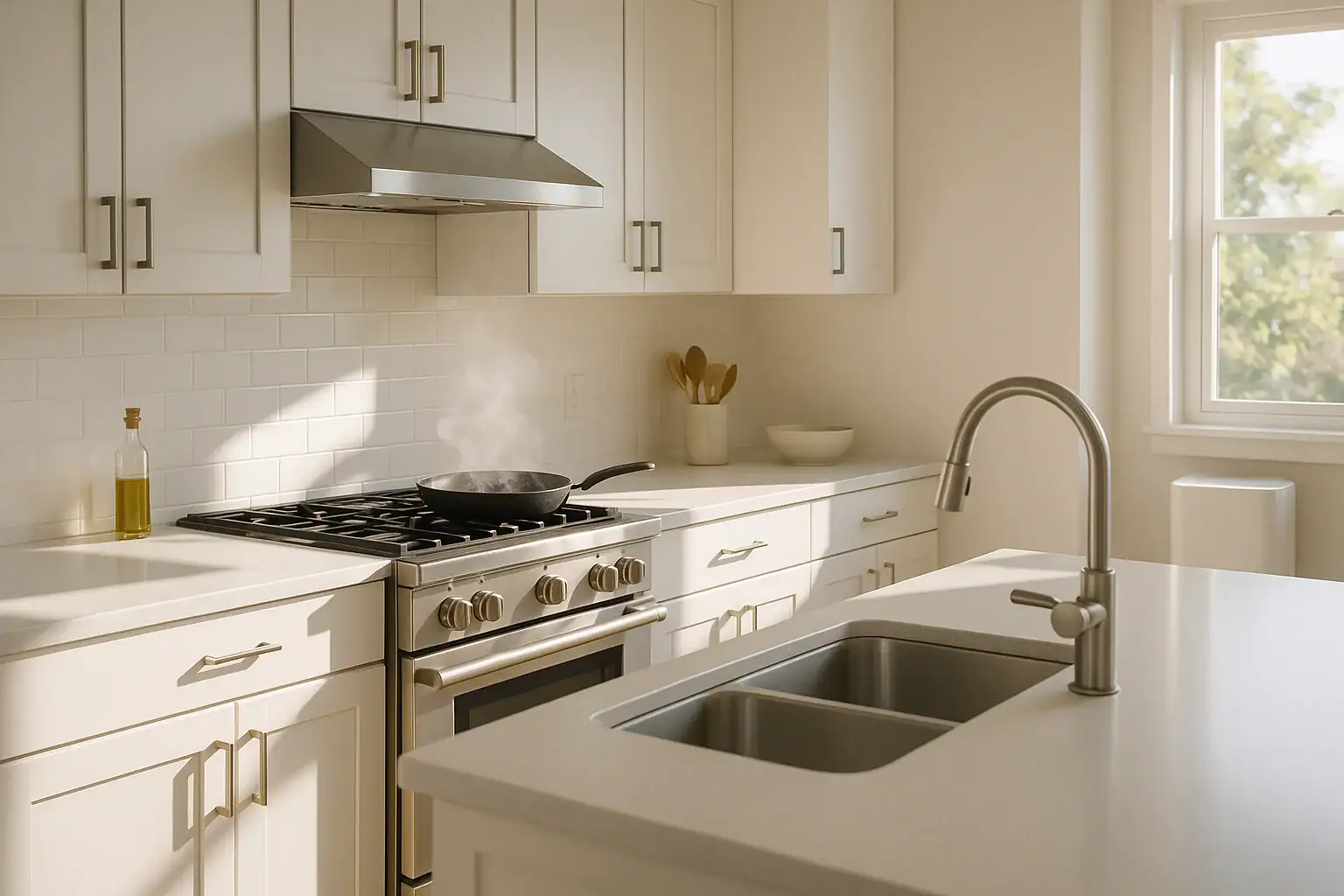
If you love to cook, you probably know the downside: lingering smells that hang in the kitchen, drift into bedrooms, and sometimes stay for days. From fried foods and bacon to fish and strong spices, cooking odors can make a clean home feel stuffy. Many people look to air purifiers for a solution, but it is not always clear what they can realistically do. This guide explains how air purifiers handle cooking smells, what results you can honestly expect, and how to combine them with other simple strategies for fresher indoor air. By the end, you will know when an air purifier helps, when it is not enough on its own, and how to set up a practical odor-control routine that actually works in a busy home.
How Cooking Smells Spread Through Your Home
Before deciding whether an air purifier will help, it is useful to understand what cooking smells really are and how they move around your home.
Cooking odors are made up of tiny airborne particles and gases released when you heat oils, fats, and foods. These can include:
- Grease particles that become airborne during frying and sautéing
- Smoke and fine particles from browning, searing, or accidental burning
- Volatile organic compounds (VOCs) from heated oils, spices, and ingredients
- Sulfur- or fish-based compounds from certain meats, eggs, and seafood
Once released, these particles and gases can:
- Drift with warm air from the stove into nearby rooms
- Stick to soft surfaces like curtains, upholstery, and carpets
- Collect on cabinets, walls, and ceilings as a thin film over time
This is why some smells disappear quickly, while others seem to soak into the house. Any solution, including air purifiers, has to address both the particles in the air and the gases that create odors.
How Air Purifiers Work With Cooking Odors
Most home air purifiers use one or more types of filters to clean the air. When it comes to cooking smells, two components matter most: particle filtration and odor absorption.
Particle Filters: Great for Smoke, Not Enough for Smell
Many units use a dense mechanical filter designed to capture small particles. These filters are very effective at trapping:
- Smoke from searing or burning food
- Fine grease mist from frying
- General airborne dust and cooking-related particles
Removing these particles can quickly improve how the air feels and looks, especially if you sometimes set off the smoke alarm or notice hazy air after cooking. However, the smell itself is mostly caused by gases and vapors, which pass right through a basic particle filter.
Odor Filters: Key for Gases and Smells
To deal with the actual odor, you need a purifier that includes a filter designed to absorb gases. These are often made with:
- Activated carbon or charcoal to trap odor-causing gases
- Sometimes additional sorbent materials for specific types of fumes
These filters work by adsorbing (not absorbing) gas molecules onto the surface of the material. The more surface area and the more odor material present in the filter, the better it can handle cooking smells. However, these filters do not last forever. Once they are saturated, they stop capturing odors and may even start to release smells back into the room if not replaced on time.
Airflow and Room Size Matter
Even the best filter will not help if air is not moving through the purifier. For cooking odors, pay attention to:
- Airflow rate: Higher fan speeds move more air through the filters, which is important right after cooking.
- Room size: A small purifier in a large open kitchen and living area may be underpowered.
- Placement: Positioning the purifier where air naturally circulates, or near the kitchen, improves performance.
With the right combination of filters and airflow, an air purifier can noticeably reduce cooking-related particles and some of the odors in your home.
What Air Purifiers Can Realistically Do for Cooking Smells
It is important to set realistic expectations so you are not disappointed. An air purifier can be a helpful tool, but it is not magic.
What Air Purifiers Can Help With
- Reduce smoke and haze when you fry, broil, or accidentally burn food
- Cut down on lingering light odors from everyday cooking
- Shorten the time smells hang in the air, especially in smaller or closed rooms
- Improve overall air freshness in kitchens that lack strong exhaust ventilation
- Help sensitive family members who are bothered by smoke or airborne grease
What Air Purifiers Cannot Do Alone
- Instantly erase strong odors from heavy frying, fish, or strong spices
- Remove smells trapped in fabrics and surfaces like curtains, furniture, and carpets
- Replace proper kitchen ventilation from a range hood or open windows
- Overcome a poor setup such as being too small for the space or placed in a distant room
Think of an air purifier as one part of an overall odor-control plan. It works best when combined with good ventilation, basic cleaning habits, and a few strategic changes to how and where you cook.
Choosing an Air Purifier for Cooking Odors
If you are mainly concerned about cooking smells, you will want to focus on a few specific features when choosing a unit.
1. Look for a Dedicated Odor or Gas Filter
For cooking smells, a purifier that only has a particle filter is not enough. Look for:
- A separate carbon or charcoal filter or a combined filter that clearly lists odor or gas removal
- Information about how much carbon is used; more usually means better odor capacity
- Clear guidance on how often the odor filter should be replaced
2. Match the Purifier to Your Kitchen and Nearby Areas
Cooking smells rarely stay in the kitchen. They often travel into adjacent dining and living spaces. Consider:
- The total area of the kitchen plus any open-concept spaces
- Whether you want the purifier in the kitchen, the nearby living room, or a central location
- The purifier’s recommended room size rating and air changes per hour
When in doubt, choose a model rated for a slightly larger space than you think you need. This gives you more effective odor control when cooking heavily.
3. Check Noise Levels at Higher Fan Speeds
Odor removal works best when the fan is running faster, especially right after cooking. Look for:
- Noise ratings at medium and high speeds
- A “turbo” or “boost” mode you can use briefly after meals
- Quieter settings for nighttime use in open-concept homes
4. Consider Filter Replacement Costs
Odor filters that handle cooking smells will eventually fill up and need replacement. When comparing options, pay attention to:
- Estimated filter life in months, especially for the odor filter
- Average replacement cost and how many filters are needed
- Whether you can easily access and change filters yourself
If you cook frequently with strong-smelling ingredients, you may need to replace odor filters more often than the general recommendation.
How to Use an Air Purifier Effectively for Cooking Smells
Simply owning an air purifier is not enough. How and when you use it makes a big difference in how well it handles cooking odors.
1. Place It Strategically
For best results, place the purifier:
- In or near the kitchen, but not so close that grease splatters directly on the unit
- In a spot with good airflow, away from tight corners and behind large furniture
- Where it can also pull air from adjacent rooms if you have an open floor plan
2. Run It Before, During, and After Cooking
Instead of turning the purifier on only after the smell is strong, try this routine:
- 15–30 minutes before cooking: Turn the purifier on a medium setting to start circulating air.
- While cooking: Use a higher fan speed, especially when frying, searing, or broiling.
- 1–2 hours after cooking: Keep it running to capture remaining particles and odors.
This approach helps prevent smells from building up and spreading as much in the first place.
3. Combine With Ventilation
An air purifier works best when paired with other ventilation methods. Whenever possible:
- Use your stove hood fan on an effective setting while cooking.
- Open a window slightly to let fresh air in and push odors out.
- Use a ceiling fan or small fan to help move air toward the purifier.
Ventilation helps remove odors from the home entirely, while the purifier filters what remains in the air.
4. Maintain and Replace Filters on Time
Clogged or saturated filters will not handle cooking smells well. To keep your purifier effective:
- Check filters monthly for visible dust and discoloration.
- Follow the maker’s schedule for odor filter replacement and adjust if you cook heavily.
- Vacuum or gently clean pre-filters if the unit allows it.
Staying on top of maintenance is one of the simplest ways to keep odor control consistent.
Other Simple Ways to Reduce Cooking Smells
Even with a good air purifier, a few everyday habits can make a big difference in how long cooking smells linger.
Control Odors at the Source
- Cover pans when simmering or frying to reduce splatter and steam.
- Use lids and splatter screens to keep grease and vapors contained.
- Cook strong-smelling foods last in your meal plan so odors do not linger all day.
- Keep oven and stovetop clean; old spills and burnt residue can create extra smoke and odor.
Ventilate Right Away
- Turn on the range fan as soon as you start cooking, not halfway through.
- Crack a window or back door to create a cross-breeze.
- Use a box fan or portable fan in a window to blow air outside during heavy cooking.
Clean Up Promptly
- Wash dishes and pans soon after eating, especially those with strong sauces or oils.
- Take out the trash if it contains food scraps, onion peels, or fish packaging.
- Wipe down counters, stovetop, and backsplash to remove grease film.
- Launder kitchen towels regularly so they do not hold onto odors.
Refresh Fabrics and Soft Surfaces
Because cooking smells cling to fabrics, give them attention as well:
- Open curtains and blinds during the day to let sunlight and fresh air in.
- Wash or air out curtains and removable cushion covers periodically.
- Vacuum upholstery and rugs to remove settled particles.
These steps help your air purifier focus on what it does best: cleaning the air, not fighting against heavily saturated fabrics.
Setting Practical Expectations for Your Home
Every home is different, and your experience with cooking smells will depend on your layout, habits, and equipment. When deciding how much an air purifier can help, consider:
- How often you cook and whether you frequently fry, sear, or cook strong-smelling foods
- Whether your kitchen is enclosed or open to the rest of the home
- The strength of your existing ventilation from windows and range fans
- Sensitivity of household members to odors and smoke
In a small apartment with limited ventilation, a well-chosen purifier with an odor filter can make a noticeable difference in how long smells linger. In a large open-concept home, it may still help, but you will likely need to combine it with strong ventilation and good cleaning habits to see the same impact.
When an Air Purifier Is Worth It for Cooking Smells
Adding an air purifier is most helpful if:
- You regularly notice cooking smells in bedrooms or living areas hours after meals
- You or family members are bothered by smoke or haze from cooking
- Your kitchen does not have a strong exhaust fan or easy window access
- You want to improve overall indoor air quality in addition to reducing odors
If your home already has excellent ventilation and you rarely cook foods that create strong smells, a purifier may offer only a modest improvement for odors alone. However, many people still appreciate the added benefits for dust, smoke, and general air freshness.
Key Takeaways: Do Air Purifiers Help With Cooking Smells?
Air purifiers can absolutely play a role in managing cooking smells, but they work best as part of a broader strategy.
- They reduce smoke and airborne particles from cooking, which improves comfort and air clarity.
- With a good odor filter, they can lessen and shorten lingering smells, especially in smaller or enclosed spaces.
- They cannot instantly erase strong odors or remove smells that have already soaked into fabrics and surfaces.
- For best results, combine an air purifier with ventilation, quick cleanup, and simple cooking habits that limit odor buildup.
By choosing the right purifier, using it strategically, and pairing it with basic home habits, you can set realistic expectations and enjoy a fresher, more comfortable kitchen without giving up the foods you love to cook.
 Air Purifier for Pet Odors: What It Helps With and What It Won’t Remove
 Air Purifier Placement in an Open Floor Plan: Practical Guide and Realistic Expectations
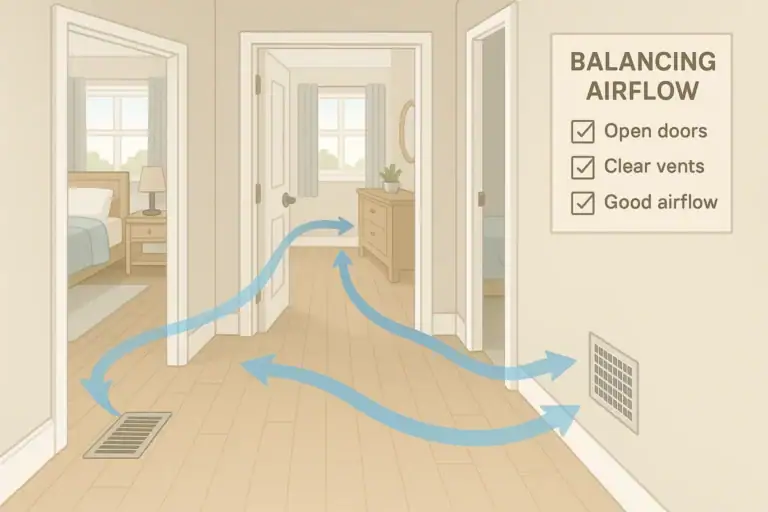 How to Balance Airflow Between Rooms at Home: A Practical Checklist