Home Comfort Guide > Air & Comfort
Many households use both humidifiers and HEPA air purifiers, especially during dry winters or allergy season. But there is a common concern: can you safely run a humidifier and a HEPA air purifier at the same time, or will one cancel out the benefits of the other? When used correctly, these two devices can actually complement each other and create a more comfortable, healthier indoor environment. The key is understanding what each device does, how they interact, and how to set them up so they work together instead of against each other.
This guide explains how humidifiers and HEPA air purifiers work, when it makes sense to run them together, the ideal humidity range for comfort and health, and practical setup tips for bedrooms, nurseries, and living areas. You will also learn about common mistakes, safety considerations, and how to avoid mold and dust issues while still enjoying cleaner air and balanced humidity.
Can You Use a Humidifier and HEPA Air Purifier at the Same Time?
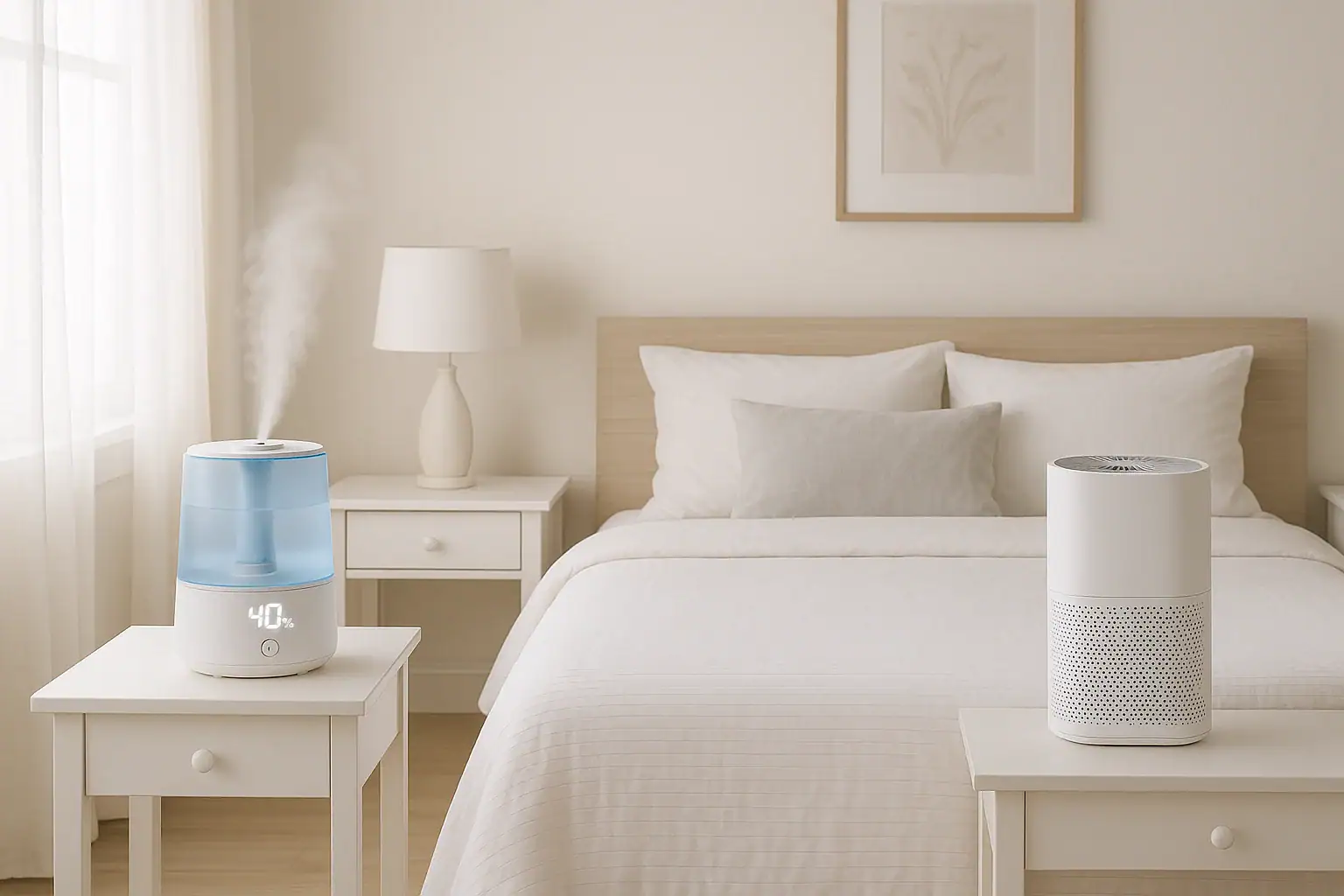
Yes, you can safely run a humidifier and a HEPA air purifier together in the same room. In many homes, this combination is actually ideal. The humidifier adds moisture to dry indoor air, while the HEPA air purifier removes airborne particles such as dust, pollen, pet dander, and smoke particles.
Instead of interfering with each other, they address different aspects of indoor air quality:
- Humidifier: Adjusts humidity level to reduce dryness in skin, throat, and sinuses.
- HEPA air purifier: Filters out fine particles that can irritate lungs and trigger allergies.
As long as you maintain a healthy humidity range and place each device thoughtfully, they can work side by side to improve comfort and support better breathing and sleep.
How a Humidifier Works
Humidifiers increase the amount of water vapor in the air. This can be especially helpful during heating season, when indoor air tends to become very dry.
Main Types of Humidifiers
- Cool mist (evaporative or ultrasonic): Release a fine mist or rely on a wick and fan to evaporate water into the air.
- Warm mist: Heat water to create steam, then cool it slightly before releasing it into the room.
- Whole-house systems: Connect to central heating and cooling systems to control humidity throughout the home.
Regardless of the type, the main goal is to raise relative humidity to a comfortable range. Too little moisture can lead to dry skin, nosebleeds, static electricity, and irritated airways. Too much moisture can encourage mold, dust mites, and musty odors.
How a HEPA Air Purifier Works
A HEPA air purifier uses a dense mechanical filter to trap particles as air passes through the unit. HEPA stands for high-efficiency particulate air, and these filters are designed to capture a very high percentage of fine particles.
What HEPA Filters Typically Capture
- Household dust and dust mite debris
- Pollen from trees, grasses, and weeds
- Pet dander and hair fragments
- Smoke particles from cooking or fireplaces
- Certain bacteria and other fine particles suspended in air
The purifier continuously pulls room air through the filter and returns cleaner air back into the space. This can reduce airborne triggers for allergies and asthma, and may help cut down on dust settling on surfaces.
Do Humidifiers Interfere With HEPA Air Purifiers?
When used correctly, a humidifier does not cancel out the benefits of a HEPA air purifier. However, there are a few interactions to be aware of so you can get the best results.
Possible Interactions
- Excess moisture near the purifier: If a humidifier blows mist directly into the purifier, the filter may become damp, which can shorten its life or encourage microbial growth.
- Visible white dust: Some ultrasonic humidifiers can release mineral residue from hard water. These particles may be captured by the HEPA filter, causing it to clog more quickly.
- Airflow patterns: Placing the devices too close together can disrupt airflow, reducing how effectively the purifier circulates air through the room.
These issues are avoidable with proper placement, water quality, and humidity control. In most homes, the benefits of using both devices together far outweigh these manageable concerns.
Benefits of Using a Humidifier and HEPA Purifier Together
Running both devices at the same time can create a more balanced and comfortable indoor environment, especially in bedrooms and living areas where you spend many hours.
Comfort and Health Benefits
- More comfortable breathing: Clean air with moderate humidity is easier on the lungs and airways than dry, dusty air.
- Reduced dryness: Humidified air can ease dry throat, chapped lips, and dry nasal passages, especially overnight.
- Support for allergy and asthma management: A HEPA purifier reduces airborne triggers, while proper humidity can help keep nasal passages from becoming overly dry and irritated.
- Better sleep quality: Many people find they cough less and sleep more soundly in air that is both clean and not overly dry.
- Protection for home and furnishings: Balanced humidity can help reduce cracking in wood furniture and floors, and may lower static electricity.
Ideal Indoor Humidity When Using a HEPA Purifier
To get the most from a humidifier and HEPA air purifier combination, aim for a healthy indoor humidity range. Most experts recommend keeping relative humidity between about 30% and 50%.
Why This Range Works Well
- Below about 30%: Air feels very dry. Skin and sinuses may become irritated, and static shocks are common.
- Between about 30% and 50%: Comfortable for most people, with less dryness and reduced risk of mold growth.
- Above about 50% to 60%: Air can start to feel heavy and damp. Mold, mildew, and dust mites are more likely to thrive.
Using a simple digital humidity meter can help you fine-tune your humidifier settings so you stay in the comfort zone while your HEPA purifier continues to filter particles effectively.
Best Placement for a Humidifier and HEPA Air Purifier
Placement matters. The goal is to avoid blowing moisture directly into the purifier, while still allowing both devices to circulate air effectively.
General Placement Tips
- Keep the humidifier and purifier a few feet apart, ideally on different sides of the room.
- Avoid placing the humidifier so that visible mist flows straight into the purifier's intake.
- Place both units on stable, level surfaces, away from direct heat sources and out of heavy foot traffic.
- Allow some open space around the purifier so air can circulate freely into and out of the unit.
Bedroom Setup
In a bedroom, many people want the benefits of both devices overnight.
- Place the HEPA purifier where it can draw in and recirculate air from most of the room, such as along a side wall with clear space around it.
- Position the humidifier closer to the bed, but not so close that it dampens bedding or furniture.
- Keep both units off the floor if possible, using sturdy tables or stands to help with airflow.
Nursery or Child's Room
For nurseries, safety and gentle air circulation are especially important.
- Place the humidifier several feet away from the crib, with the mist directed into open space, not directly at the child.
- Keep cords out of reach and ensure devices cannot be pulled over.
- Position the HEPA purifier where it can run quietly and continuously without blowing directly on the child.
Daily Use: Settings and Run Times
Running both devices does not have to be complicated. A few simple habits can keep your air comfortable and clean.
Humidifier Settings
- Use a built-in humidistat if available, or monitor humidity with a separate meter.
- Adjust output so humidity stays roughly in the 30% to 50% range.
- Run the humidifier more during very dry weather, and reduce or turn it off if humidity climbs too high.
HEPA Air Purifier Settings
- For best results, run the purifier continuously on a low or medium setting.
- Increase to a higher setting temporarily when dust, smoke, or pollen levels are higher.
- Close windows and doors when the purifier is running to help it clean the air more efficiently.
Maintenance When Using Both Devices
Proper maintenance keeps your humidifier and HEPA air purifier working well and reduces the risk of problems such as mold or mineral buildup.
Humidifier Maintenance
- Empty and refill the water tank daily, if possible, to reduce bacterial growth.
- Use distilled or low-mineral water when you can, especially with ultrasonic units, to reduce white dust.
- Clean and disinfect the tank and internal parts regularly according to the manufacturer's directions.
- Replace filters or wicks on schedule to keep performance steady.
HEPA Air Purifier Maintenance
- Check the pre-filter regularly and clean or replace it as recommended to capture larger dust and hair before they reach the HEPA filter.
- Replace the HEPA filter on the suggested schedule, or sooner if you notice reduced airflow or increased noise.
- Vacuum or dust the exterior vents gently to prevent buildup that can restrict airflow.
Common Mistakes to Avoid
Using a humidifier and HEPA purifier together is generally straightforward, but a few common mistakes can reduce their effectiveness or create new issues.
- Over-humidifying the room: Running the humidifier on high constantly can push humidity well above 50%, raising the risk of mold and musty odors.
- Ignoring water quality: Using very hard tap water in an ultrasonic humidifier can create fine mineral dust that the HEPA filter will need to capture, shortening its life.
- Pointing mist directly at the purifier: This can dampen the filter and interior parts, which is not ideal for long-term performance.
- Skipping cleaning: A dirty humidifier can release unwanted material into the air, while a clogged HEPA filter will not clean air effectively.
- Blocking airflow: Placing furniture or curtains too close to the purifier can prevent it from circulating air through the room.
Safety and Health Considerations
When used and maintained properly, a humidifier and HEPA air purifier can support a healthier indoor environment. Keep a few safety and health points in mind.
- Electrical safety: Place both devices on stable surfaces, keep cords in good condition, and avoid overloading outlets.
- Mold prevention: If you notice condensation on windows, walls, or other surfaces, reduce humidifier output and ventilate the room.
- Allergy and asthma management: If you have respiratory conditions, discuss your indoor air setup with a healthcare professional, especially if symptoms change.
- Noise and sleep: Choose quiet settings at night so the devices support, rather than disturb, restful sleep.
When You Might Not Want to Run Both Together
There are a few situations where you may want to pause or adjust humidifier use while keeping your HEPA purifier running.
- High natural humidity: In humid climates or during rainy seasons, indoor humidity may already be near or above 50%. Adding more moisture is usually unnecessary.
- Existing mold issues: If you are dealing with visible mold or musty odors, focus on drying and cleaning the space before regularly running a humidifier.
- Condensation problems: If you frequently see moisture on windows or walls, lower the humidifier setting or turn it off until humidity drops.
In most of these cases, it still makes sense to keep the HEPA air purifier running to help remove airborne particles while you address moisture concerns.
Putting It All Together
Using a humidifier with a HEPA air purifier together can be an effective way to improve indoor comfort and air quality. The humidifier helps relieve dry air, while the HEPA purifier removes fine particles that can irritate your lungs and sinuses. With thoughtful placement, regular maintenance, and attention to humidity levels, these devices can complement each other rather than compete.
If you monitor humidity to stay in a comfortable range, keep both units clean, and avoid directing mist into the purifier, you can enjoy cleaner, more comfortable air throughout the year. This simple combination can make a noticeable difference in how your home feels and how easily you breathe, especially during dry or allergy-prone seasons.
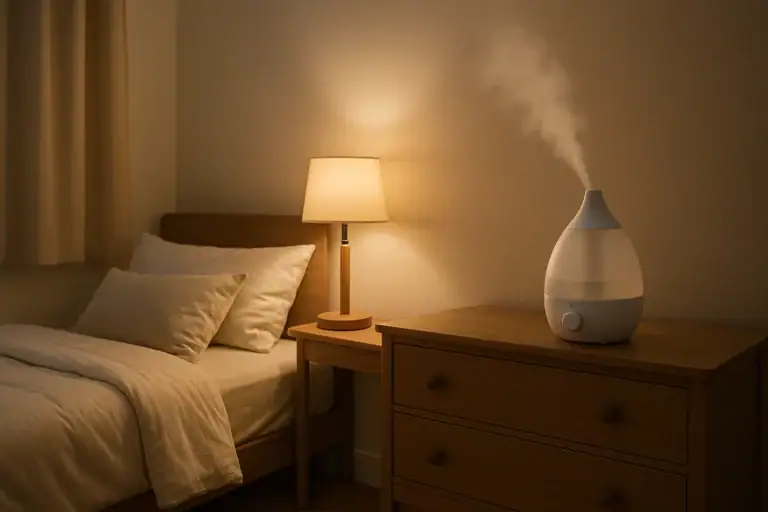 Humidifier Placement in a Bedroom: Where It Works Best and What to Avoid
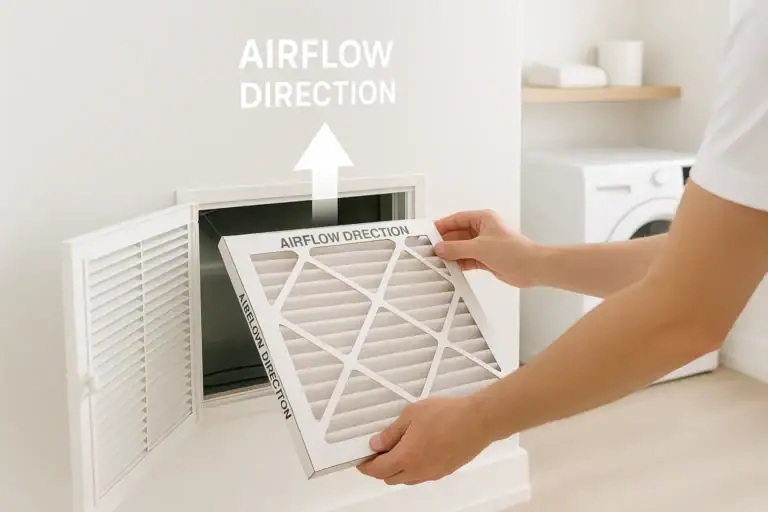 HVAC Filter Arrow Direction: Common Installation Mistakes and How to Fix Them
 Radiator Reflector Panels: A Practical Home Guide