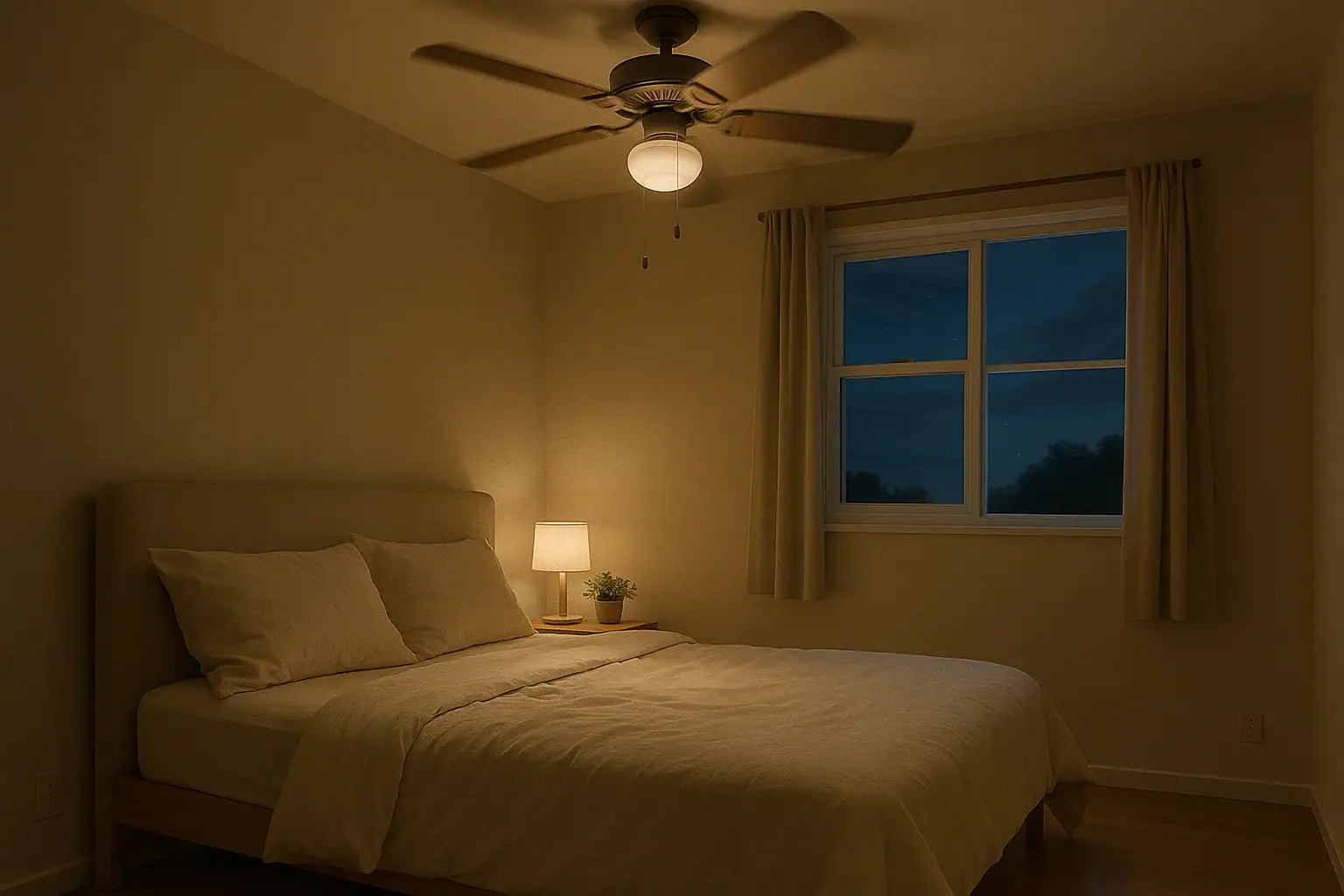
Keeping your entire home cool all night can get expensive, and in many climates it is not even necessary. What you really need is a calm, comfortable bedroom that supports deep, uninterrupted sleep. With a few smart adjustments, you can create the best bedroom temperature setup for sleep without running your whole cooling system on high or dropping the thermostat for the entire house.
This guide walks you through how temperature affects sleep, the ideal range to aim for, and practical ways to cool only the spaces you use at night. You will learn how to adjust your thermostat strategy, improve airflow, choose bedding and sleepwear that work with your body, and use simple habits to stay comfortable. The goal is better rest, lower energy use, and a bedroom that feels like a retreat instead of a hot, stuffy box.
Why Bedroom Temperature Matters for Sleep
Your body naturally cools down as you fall asleep. If your bedroom is too warm, your body has to work harder to lower its internal temperature, which can delay sleep and cause frequent wake-ups. On the other hand, a room that is too cold can make muscles tense and cause you to curl up tightly, which may also reduce sleep quality.
Temperature affects several key parts of healthy sleep:
- Falling asleep: A cooler environment helps signal to your body that it is time to rest.
- Deep sleep: Stable, slightly cool temperatures support longer periods of restorative sleep.
- REM sleep: Overheating can cause you to wake up during lighter sleep stages.
- Comfort and breathing: Cooler, less humid air often feels easier to breathe and less stuffy.
Because you spend roughly a third of your life sleeping, even small temperature improvements in your bedroom can have a big impact on how rested you feel the next day.
The Ideal Bedroom Temperature Range for Most People
Most sleep experts recommend keeping the bedroom somewhere in the mid-60s Fahrenheit, often around 60–67°F. For many adults, a sweet spot is about 65°F, but there is no single perfect number for everyone. Age, health conditions, and personal comfort all play a role.
Use these ranges as a starting point and adjust based on how you feel:
- Cooler sleepers: 66–69°F may feel better if you tend to get cold easily.
- Warmer sleepers: 60–65°F may be ideal if you often wake up hot or sweaty.
- Children: Slightly warmer, often 67–70°F, depending on age and pajamas.
- Older adults: Often prefer 67–70°F to avoid feeling chilled.
The key is consistency. Large temperature swings during the night can be more disruptive than being a degree or two off the “ideal” number. Once you find a range that feels good, try to keep it steady from bedtime to morning.
Strategy: Cool the Bedroom, Not the Whole House
If you are trying to avoid cooling your entire home overnight, the solution is to focus your efforts on the rooms you actually use. For most households, that means bedrooms, a bathroom, and maybe a hallway. Everything else can be allowed to warm up a bit.
Use Zoned or Room-Focused Cooling If Available
If your home has multiple thermostats or a zoning system, take advantage of it:
- Set the bedroom zone to your ideal sleep temperature.
- Allow living areas to rise several degrees at night.
- Program schedules so the rest of the house only cools before you wake up.
Adjust a Single-Thermostat System to Favor Bedrooms
Many homes have just one thermostat, often in a hallway or living space. To prioritize bedroom comfort:
- Close or mostly close vents in unused rooms at night, such as dining rooms or guest rooms, to push more cool air toward bedrooms.
- Keep bedroom doors open if the thermostat is nearby so the system can sense when it has cooled the sleeping area.
- Use fans in bedrooms to make slightly warmer air feel cooler without dropping the thermostat further.
Leverage Natural Cooling When Possible
In many climates, outdoor temperatures drop overnight. You can use this to your advantage:
- Open windows in the evening once outdoor air is cooler than indoor air, if air quality and safety allow.
- Create a cross-breeze by opening windows on opposite sides of the room or hallway.
- Use a window fan to pull cool air in or push hot air out, depending on what feels better.
This approach can reduce how often you need to run a central cooling system while still keeping bedrooms comfortable.
Optimizing Airflow in Your Bedroom
Air movement can make a room feel cooler even when the actual temperature does not change much. Improving airflow is one of the most effective ways to stay comfortable without lowering the thermostat for the whole house.
Use Fans Strategically
Fans do not actually lower the room temperature, but they help sweat evaporate from your skin, which makes you feel cooler. Consider:
- Ceiling fans: In warm months, set blades to spin counterclockwise to push air down and create a breeze over the bed.
- Oscillating fans: Place one to blow gently across you, not directly in your face, to avoid dry eyes or sinuses.
- Box or floor fans: Aim them toward an open window to pull in cooler night air or push hot air out.
Keep Air Paths Clear
Blocked vents or crowded furniture can trap heat around your bed. To improve circulation:
- Make sure vents and returns are not covered by furniture, rugs, or curtains.
- Leave a small gap between your bed and the wall so air can move around you.
- Avoid stacking boxes or storage in front of windows or doors you use for ventilation.
Control Humidity
Humid air feels warmer and heavier, even at the same temperature. If your bedroom tends to feel sticky:
- Use a dehumidifier to bring humidity into a comfortable range, often around 40–50%.
- Run bathroom fans during and after showers to keep moisture from spreading into bedrooms.
- Keep plants or water sources that add moisture out of very small, closed bedrooms.
Dryer air often feels cooler, which means you may be able to sleep comfortably without lowering the thermostat further.
Choosing Bedding and Sleepwear for a Cooler Night
Your bedding and pajamas play a major role in how warm or cool you feel, even at the same room temperature. You can often stay comfortable at a slightly higher thermostat setting just by changing what is on your bed.
Layer Your Bedding
Instead of one heavy comforter, use several lighter layers:
- A light sheet closest to your skin.
- One or two thin blankets you can easily pull on or off.
- A medium-weight top layer for colder nights only.
This makes it easier to adjust during the night without changing the thermostat or waking fully.
Pick Breathable Materials
Some materials trap heat, while others allow air to move more freely:
- Choose lightweight, breathable sheets and pillowcases rather than thick, tightly woven fabrics that hold warmth.
- Use blankets that feel airy rather than heavy and dense if you tend to overheat.
- Consider a cooler mattress protector if your current one feels plastic-like or traps heat.
Dress for the Temperature
What you wear to bed should match your bedroom setup:
- In warmer rooms, choose light, loose sleepwear that lets air move around your skin.
- If you sleep with a partner who prefers it cooler, you can wear slightly warmer pajamas while keeping the room temperature lower.
- Avoid heavy socks or layers unless your feet tend to get very cold, as they can trap heat.
Fine-tuning bedding and clothing lets you keep the thermostat at a moderate level while still feeling comfortable all night.
Smart Thermostat Settings and Schedules
Even without advanced equipment, you can use timing and simple thermostat adjustments to cool only when and where you need it most.
Set a Nighttime Schedule
If your thermostat is programmable, create a schedule that lines up with your sleep routine:
- 1–2 hours before bed: Lower the temperature slightly so bedrooms cool down in time for sleep.
- Overnight: Keep the temperature steady in your ideal range.
- 30–60 minutes before waking: Allow the temperature to rise a bit to save energy while you are getting ready for the day.
Use a Smaller Nighttime Temperature Drop
It can be tempting to set the thermostat very low at night, but that often means cooling the whole house more than necessary. Instead:
- Lower the thermostat just enough to reach your bedroom comfort range.
- Use fans, airflow, and bedding to handle the rest of your comfort needs.
- Aim for a modest difference between daytime and nighttime settings, such as 3–6 degrees, rather than extreme swings.
Close Off Unused Spaces
To avoid wasting cooling on empty rooms at night:
- Close doors to unused bedrooms, offices, or living areas in the evening.
- Close or partially close vents in those rooms if your system allows it.
- Focus air movement and any window ventilation on the bedrooms you actually sleep in.
This approach helps direct more of your cooling power toward the spaces where it matters most.
Simple Nighttime Habits That Help You Stay Cool
Beyond equipment and settings, your daily habits can also affect how hot or cool you feel at night. Small changes can add up to a more comfortable bedroom without lowering the thermostat further.
Cool Down Before Bed
Help your body lower its temperature before you climb into bed:
- Take a lukewarm shower in the evening. As the water evaporates, it can help cool your skin.
- Avoid heavy exercise in the hour before bed, which can raise your core temperature.
- Limit hot drinks and heavy meals late at night, which can make you feel warmer.
Manage Heat Sources in the Bedroom
Electronics and lighting can add unnecessary heat:
- Turn off unused electronics and chargers that give off warmth.
- Use low-heat light bulbs and switch lights off as soon as you can.
- Keep laptops and devices off the bed so they do not warm the area around you.
Hydrate Wisely
Staying hydrated can help your body regulate temperature, but you also want to avoid frequent bathroom trips:
- Drink enough water during the day so you are not overly thirsty at night.
- Have a small glass of water by the bed if you tend to wake up dry.
- Avoid large amounts of caffeinated or sugary drinks close to bedtime.
Special Considerations for Different Sleepers
Not everyone in a household has the same temperature needs. You can still avoid cooling the whole house by tailoring the bedroom setup for each person or group.
Couples With Different Temperature Preferences
If one person runs hot and the other gets cold easily:
- Use separate blankets or layers on each side of the bed so each person can choose their own warmth level.
- Position a fan to blow more on the warmer sleeper’s side.
- Adjust sleepwear so the cooler sleeper wears slightly warmer clothing instead of raising the room temperature.
Children and Infants
Children may be more sensitive to temperature extremes. To keep them safe and comfortable:
- Aim for a slightly warmer range than adults typically prefer, while still avoiding stuffy rooms.
- Use light layers of bedding you can add or remove easily.
- Check the back of the neck or chest to see if they feel too hot or too cold, rather than relying only on hands or feet.
Older Adults or Those With Health Conditions
Some people may need to avoid getting too cold at night, especially if they have certain health conditions:
- Keep the room in a comfortable mid-to-upper 60s range unless a healthcare professional suggests otherwise.
- Use extra blankets at the foot of the bed instead of raising the thermostat for the whole house.
- Make sure the path to the bathroom is not overly cold if they need to get up at night.
Putting It All Together: A Sample Nighttime Setup
To see how these ideas work in practice, here is an example of a bedroom-focused cooling plan that does not require dropping the temperature for the entire home.
- Late afternoon: Close blinds or curtains in bedrooms to block direct sun and prevent heat buildup.
- Early evening: Turn off unneeded electronics in bedrooms and nearby rooms.
- 1–2 hours before bed: Lower the thermostat a few degrees so bedrooms begin to cool. Close doors and vents to unused spaces.
- Bedtime: Use a ceiling or floor fan for gentle airflow across the bed. Adjust bedding layers so you feel just slightly cool when you first lie down.
- Overnight: Keep the thermostat steady. Rely on fans, breathable bedding, and open windows (if conditions allow) for extra comfort.
- Morning: Program the thermostat to let the temperature rise as you get up and move into living areas.
You can adapt this outline to your home’s layout, local climate, and personal comfort preferences. The main idea is to focus your cooling on the bedroom and use airflow, bedding, and habits to handle the rest.
Key Takeaways
- A slightly cool, stable bedroom temperature supports deeper, more restful sleep.
- You do not need to cool your entire home overnight; focus on the rooms you actually use.
- Airflow, humidity control, bedding choices, and sleepwear can make a big difference in comfort.
- Smart thermostat schedules and closing off unused spaces help reduce energy use.
- Adjust your setup for different sleepers, including children, older adults, and partners with different preferences.
By combining these strategies, you can create a bedroom environment that feels calm, cool, and inviting, without overworking your cooling system or lowering the thermostat for the whole house.
For more ideas on improving the air and comfort in your home, explore related guides and resources on creating a healthier indoor environment.
 Humidifier Placement in a Bedroom: Where It Works Best and What to Avoid
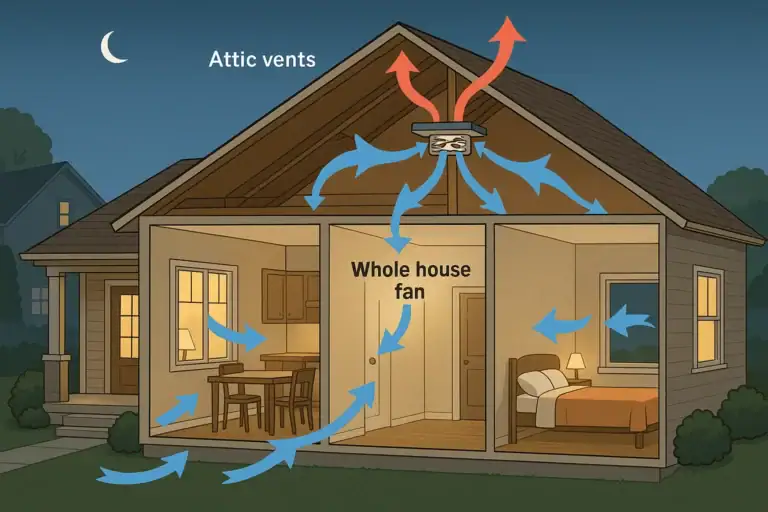 Whole House Fan Ventilation Guide for Cool Evenings
 Upstairs Bedroom Too Hot? Practical Airflow Fixes That Actually Help