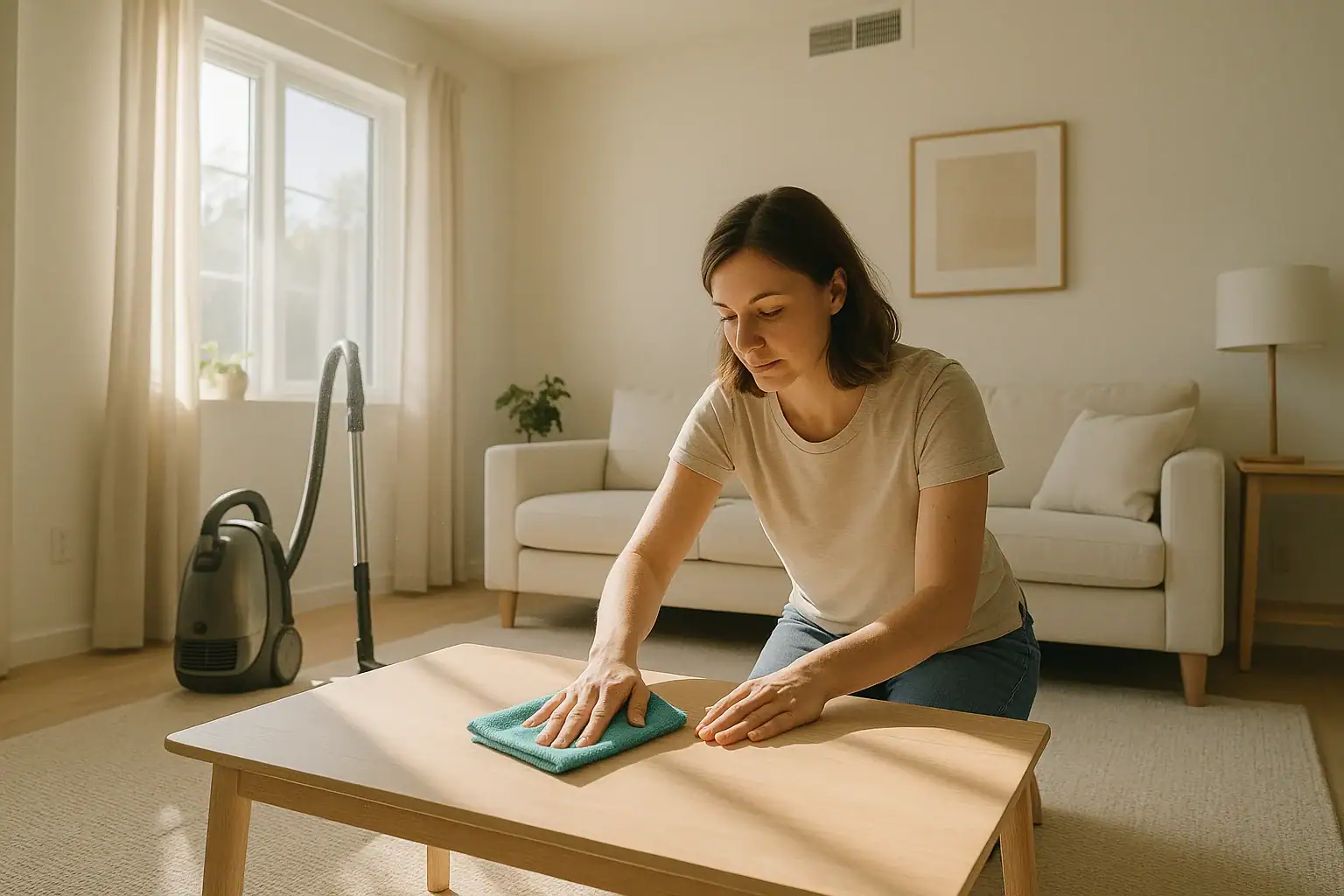
Dust seems to appear out of nowhere. You wipe a table, and within a day or two there is a new layer of fine gray powder. If you or someone in your home has allergies, asthma, or sensitive skin, that dust is more than just a nuisance. The good news is that you can cut dust quickly by combining three powerful strategies: smarter airflow, targeted cleaning, and the right filters. Instead of endlessly chasing dust with a dry cloth, you can change how much dust enters your home, where it settles, and how long it stays in the air.
This guide walks you through practical steps you can start today. You will learn how to adjust vents and fans so dust does not constantly circulate, how to clean in a way that actually removes dust instead of spreading it around, and how to use filters to trap particles before they land on your furniture. You do not need special tools or complicated systems. With a focused plan, you can reduce dust buildup fast and keep your home cleaner and more comfortable with less effort.
Understand Where Dust Comes From
Before you can control dust, it helps to know what it is and how it gets into your home. Dust is a mix of many tiny particles, including:
- Skin flakes and hair from people and pets
- Fibers from clothing, bedding, and carpets
- Pollen and plant material from outdoors
- Soil and road dust tracked in on shoes
- Fine particles from cooking and heating
Some dust is created inside your home, but a lot of it comes from outdoors and is carried in through open doors, windows, and air leaks. Your heating and cooling system can also move dust from room to room. That is why a fast, effective dust-reduction plan focuses on both air movement and surfaces.
Step 1: Improve Airflow to Keep Dust From Circulating
Airflow can either help you control dust or spread it around. With a few adjustments, you can move dust toward filters and out of living areas instead of letting it settle on every surface.
Balance Your Supply and Return Vents
Most homes have supply vents that blow conditioned air into rooms and return vents that pull air back to the system. If furniture or curtains block these vents, dust can build up in dead zones and corners.
- Walk through each room and make sure vents are not blocked by rugs, furniture, or boxes.
- Leave a few inches of space around each vent so air can move freely.
- Use a vacuum with a brush attachment to clean vent grilles and remove visible dust.
When vents are clear, dust is more likely to be pulled toward return vents and captured by your system filter instead of settling on surfaces.
Use Exhaust Fans Wisely
Bathrooms and kitchens often have exhaust fans. These fans help remove moisture and odors, but they also help pull out fine particles from the air.
- Run the kitchen exhaust fan while cooking and for 10 to 15 minutes afterward to remove smoke and grease particles.
- Use bathroom fans during showers and baths to reduce moisture that can cause dust to cling to surfaces.
- Clean fan covers regularly with a vacuum or damp cloth so they can move air efficiently.
Control Natural Airflow From Windows and Doors
Fresh air is important, but wide-open windows on a windy, dusty day can bring in a lot of particles.
- Open windows when pollen and outdoor dust levels are lower, such as after rain.
- Use window screens and keep them clean so they can catch some outdoor debris.
- Close windows near busy roads or construction areas when dust levels are high.
By being selective about when and how long you open windows, you can enjoy fresh air without inviting in extra dust.
Step 2: Use Filters to Trap Dust Before It Settles
Filters are one of the fastest ways to reduce dust buildup because they physically trap particles that would otherwise land on your furniture and floors.
Change Central Air Filters on a Regular Schedule
If your home has a central heating or cooling system, the main filter is your first line of defense against dust.
- Check the filter at least once a month, especially during heavy heating or cooling seasons.
- Replace disposable filters when they look gray and dusty or at least every 1 to 3 months, depending on use.
- Make sure the filter is installed in the correct direction, following the arrow on the frame.
A clogged filter cannot trap more dust and forces your system to work harder. A clean filter captures more particles and improves airflow at the same time.
Choose the Right Filter Rating for Your Home
Filters are rated by how well they capture small particles. Higher ratings capture more dust and allergens, but they can also restrict airflow if your system is not designed for them.
- Look for a mid-range rating that balances filtration and airflow for most homes.
- If anyone in your home has allergies or asthma, consider a higher-rated filter, but check with a professional if you are unsure what your system can handle.
- Do not ignore the filter size. Use the exact size recommended for your system so air cannot leak around the edges.
Add Room Air Filters in High-Dust Areas
For fast results in specific rooms, portable air cleaners with quality filters can make a noticeable difference.
- Place a unit in bedrooms, living rooms, or home offices where you spend the most time.
- Run the unit on a low or medium setting for several hours a day to continuously filter the air.
- Clean or replace the internal filters as recommended so the unit stays effective.
Room filters are especially helpful if you cannot upgrade your central system or if you live in an area with high outdoor dust.
Step 3: Clean in a Way That Removes Dust, Not Just Moves It
Traditional dusting often just pushes particles into the air, where they float around and settle again later. A few simple changes to your cleaning routine can remove more dust in less time.
Dust From Top to Bottom
Dust naturally falls downward, so your cleaning pattern should follow the same direction.
- Start with ceiling fans, light fixtures, and high shelves.
- Move to eye-level surfaces like counters, desks, and tables.
- Finish with baseboards and floors.
Cleaning in this order keeps you from re-dusting the same surfaces and helps you capture more dust in one pass.
Use Damp or Microfiber Cloths Instead of Dry Feather Dusters
Dry dusters often just scatter particles into the air. To actually remove dust:
- Use a slightly damp cloth on hard surfaces so dust sticks instead of floating away.
- Choose microfiber cloths, which are designed to grab and hold fine particles.
- Rinse or shake out cloths frequently in a trash bag or sink to avoid spreading dust around.
Vacuum Floors and Upholstery Thoroughly
Carpets, rugs, and upholstered furniture act like dust collectors. Regular vacuuming makes a big difference.
- Vacuum high-traffic areas at least once or twice a week.
- Use crevice tools and upholstery attachments on sofas, chairs, and along baseboards.
- Empty the vacuum canister or bag when it is about half full to maintain suction.
If your vacuum has a filtration rating, a better filter can help keep dust from blowing back into the room.
Wash Textiles That Hold Dust
Soft surfaces trap a lot of dust and fibers. Washing them regularly helps keep buildup under control.
- Wash bedding weekly in warm or hot water, including pillowcases and sheets.
- Clean blankets, comforters, and mattress covers every month or two.
- Wash or shake out throw blankets and decorative pillows regularly.
- Consider using washable curtains or blinds that can be wiped down.
Step 4: Cut Down on New Dust Entering Your Home
Stopping dust at the door is one of the fastest ways to see less buildup inside. A few small habits can significantly reduce how much dirt and debris gets tracked in.
Create a Simple Entryway Routine
Your entryway is the front line in the fight against dust.
- Place sturdy doormats outside and inside each main entrance.
- Encourage everyone to wipe their feet thoroughly before coming in.
- Set up a shoe rack or tray near the door and make it easy to remove shoes when entering.
Less dirt on shoes means less dust ground into carpets and floors.
Seal Common Air Leaks
Small gaps around windows, doors, and baseboards can pull in outdoor dust, especially on windy days.
- Check for drafts around windows and doors with your hand or a lit stick of incense to see where air moves.
- Use weatherstripping or door sweeps to close gaps around doors.
- Seal cracks around window frames and baseboards with appropriate caulk.
Sealing leaks not only reduces dust but can also improve comfort and energy efficiency.
Step 5: Target the Biggest Dust Sources in Your Home
Some items and habits create more dust than others. By focusing on these, you can quickly cut down overall buildup.
Manage Pet Hair and Dander
Pets are a major source of hair and dander, which add to dust levels.
- Brush pets regularly in one area, preferably outdoors or in a space that is easy to clean.
- Wash pet bedding frequently to remove hair and skin flakes.
- Vacuum areas where pets spend the most time more often.
Reduce Clutter That Collects Dust
Every object in a room is a landing spot for dust. The more cluttered a space, the more surfaces you have to clean.
- Clear off rarely used surfaces like the tops of dressers, cabinets, and nightstands.
- Store collections and small items in closed cabinets or containers.
- Choose simple decor that is easy to wipe down.
Fewer items on display means faster cleaning and less dust buildup overall.
Pay Attention to Laundry and Fabrics
Clothing and fabrics shed fibers that become part of household dust.
- Clean the dryer lint trap after every load to reduce floating fibers.
- Keep dirty laundry in closed hampers instead of open piles on the floor.
- Consider using tightly woven fabrics for bedding and curtains, which shed less.
A Fast-Action Plan for Cutting Dust This Week
If you want to see quick results, focus on a few high-impact tasks over the next seven days.
Day 1–2: Filters and Vents
- Replace or clean the central air filter.
- Vacuum and wipe all supply and return vents.
- Set up a room air filter in the bedroom or living room if you have one.
Day 3–4: Top-to-Bottom Dusting and Vacuuming
- Dust ceiling fans, light fixtures, and high shelves with a damp or microfiber cloth.
- Wipe all flat surfaces from top to bottom.
- Vacuum carpets, rugs, and upholstery thoroughly.
Day 5–6: Textiles and Entryways
- Wash bedding, pillowcases, and frequently used blankets.
- Clean or replace entry mats at main doors.
- Set up a simple shoe-off area to reduce tracked-in dirt.
Day 7: Seal and Simplify
- Check for drafts around doors and windows and add weatherstripping where needed.
- Declutter one room by clearing off surfaces that collect dust.
- Make a short weekly checklist to maintain your progress.
Maintain a Low-Dust Home With Simple Habits
Once you have reduced dust buildup, a few regular habits will help you keep it under control without spending all your time cleaning.
- Set a reminder to check and replace central air filters on a regular schedule.
- Do a quick top-to-bottom dust and vacuum session in high-use rooms once a week.
- Wash bedding weekly and rotate other textiles on a monthly schedule.
- Keep entryways clean and encourage shoe removal indoors.
- Run exhaust fans and room filters as part of your normal routine.
By combining better airflow, effective filters, and smart cleaning, you can reduce dust buildup fast and keep your home more comfortable over the long term. The goal is not a completely dust-free home, which is nearly impossible, but a cleaner, healthier space where dust is easier to manage and less of a daily frustration.
For more ideas on creating a comfortable, low-dust home, explore additional air and comfort tips and build a routine that fits your space and lifestyle.
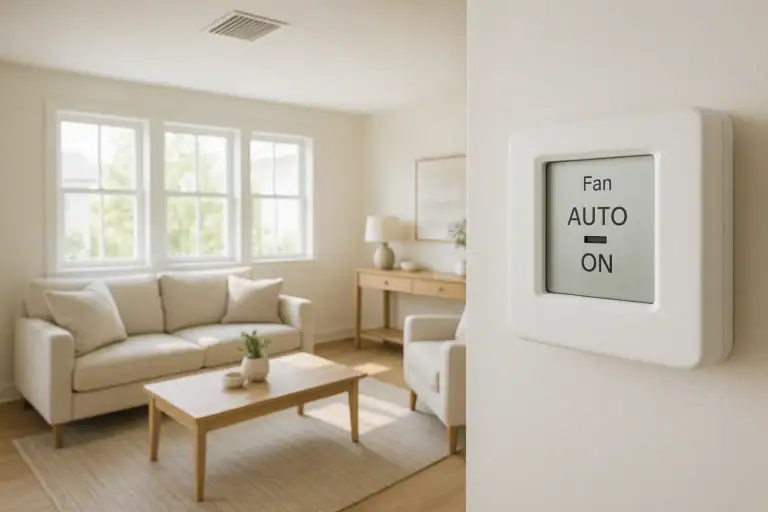 Thermostat Fan Auto vs On: Best Settings for Comfort and Less Dust
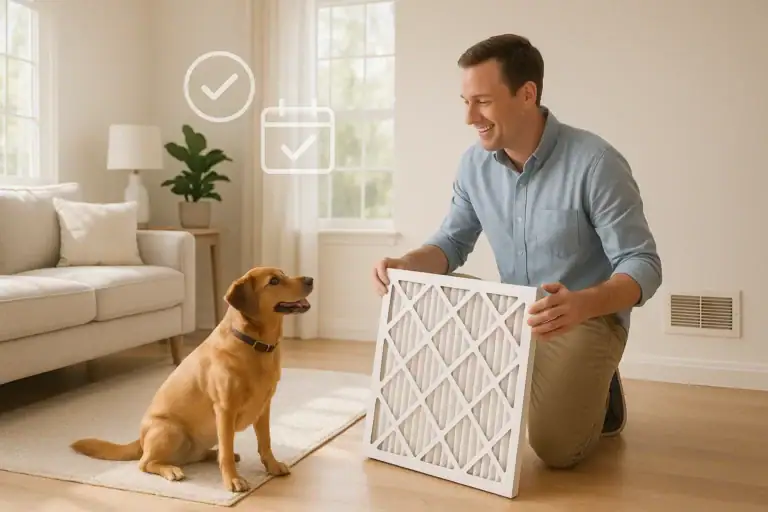 How Often to Change HVAC Filters With Pets: A Practical Homeowner Checklist
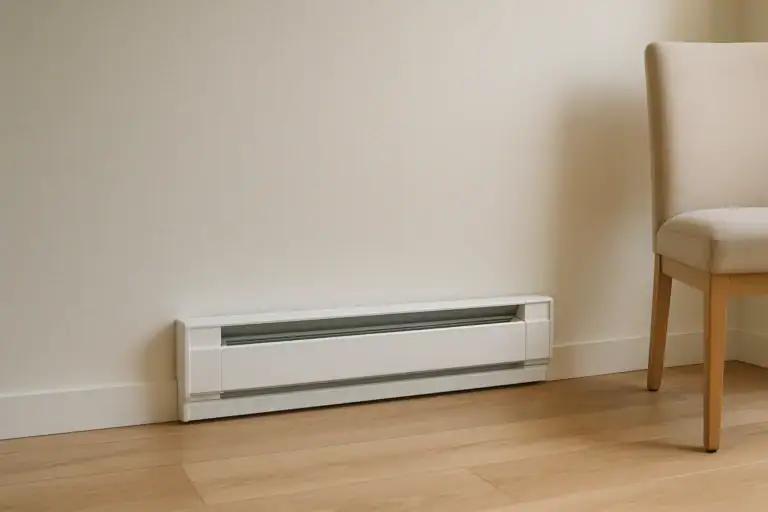 Why Your Baseboard Heater Smells Like Burning Dust