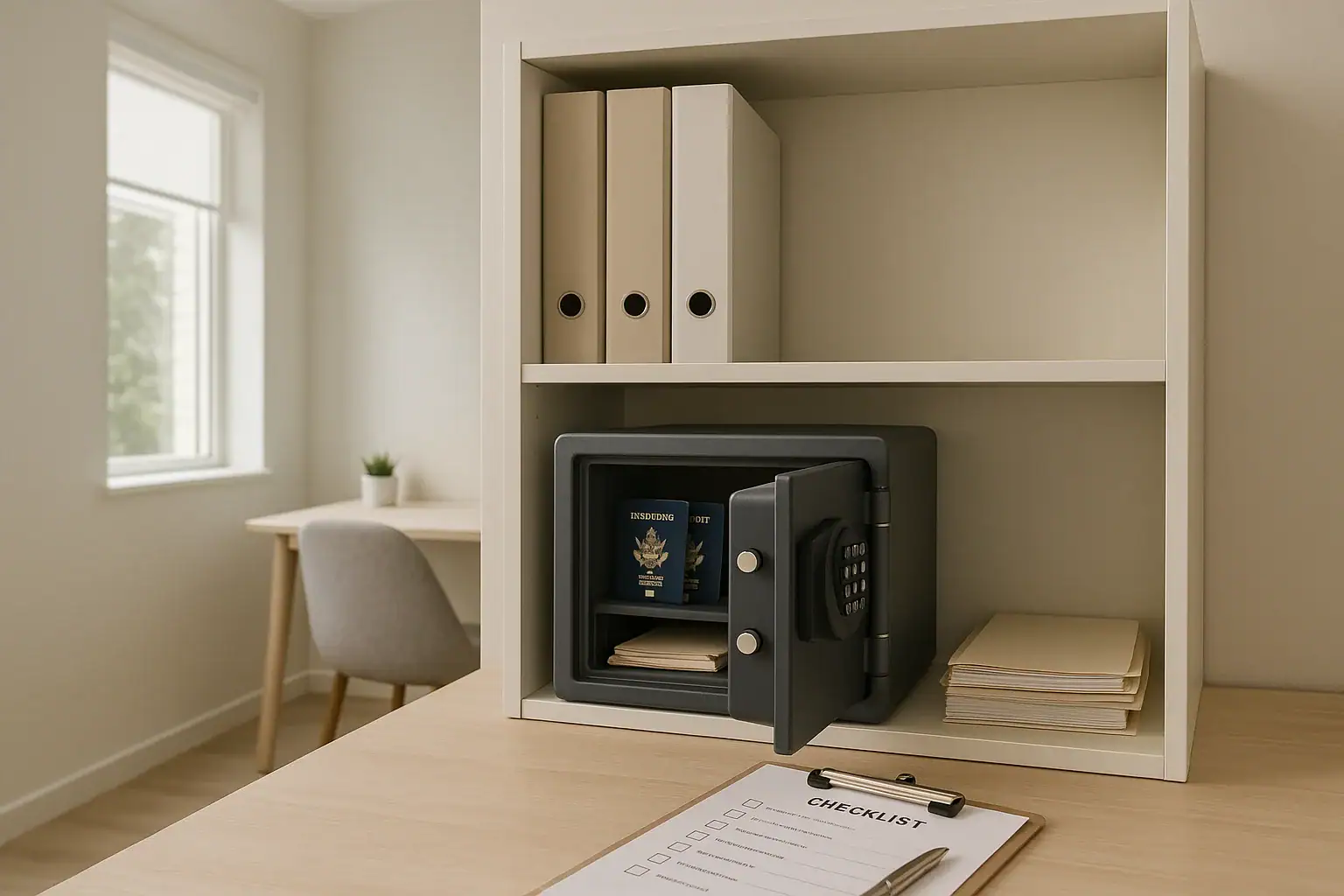
Having a home safe is one of the simplest ways to protect your most important documents and valuables. But many people either toss everything into the safe or leave it nearly empty because they are unsure what truly belongs inside. Just as important, a poorly placed safe can draw attention or be damaged in a fire or flood. This guide walks you through the essentials of home safe basics, including what to store, what not to store, and where to place your safe so it actually helps in an emergency. Use the checklists to review your current setup or plan a new one from scratch.
Step 1: Decide Your Safe’s Main Purpose
Before you fill or move your safe, clarify what you want it to do. Different goals call for slightly different contents and placement. Use this quick checklist to define your priorities.
Home Safe Purpose Checklist
- Fire protection: Protect irreplaceable documents from fire damage.
- Theft deterrence: Make it harder for burglars to access valuables.
- Emergency grab-and-go: Keep key items together in case you must evacuate quickly.
- Everyday organization: Centralize important paperwork you access a few times a year.
- Privacy: Keep sensitive documents or data away from visitors or children.
Most households want a mix of fire protection, theft deterrence, and emergency readiness. Keep that in mind as you decide what goes inside and where the safe should live in your home.
Step 2: What to Store in Your Home Safe
Not everything valuable belongs in a safe. Some items are better stored in a bank safe deposit box, while others should remain easily accessible. Use the following checklists to decide what should go into your home safe.
Essential Documents to Keep in Your Safe
These are documents that are either difficult to replace or that you may need quickly in an emergency.
- Birth certificates for all household members
- Social Security cards (or photocopies if you prefer originals off-site)
- Passports and passport cards
- Marriage certificate and any divorce decrees
- Adoption papers and guardianship documents
- Citizenship or naturalization papers
- Military discharge papers
- Copies of driver’s licenses and state IDs
- Copies of health insurance cards and Medicare or Medicaid cards
- Immunization records for children and adults
Financial and Legal Papers to Store Safely
These items help you prove ownership, manage your estate, and recover from loss or disaster.
- Home deed or closing documents (copies if originals are held elsewhere)
- Property tax statements and major home improvement records
- Vehicle titles and loan payoff letters
- Life insurance policies and contact information
- Disability, long-term care, and other major insurance policies
- List of bank accounts, retirement accounts, and investment accounts
- Contact list for your attorney, financial planner, and tax professional
- Wills and living wills (with signed originals or copies, depending on your state)
- Powers of attorney and healthcare directives
- Trust documents and beneficiary designations
Valuables and Sentimental Items for the Safe
Think about both monetary value and emotional value. If losing it would truly hurt, consider protecting it.
- Small amounts of emergency cash
- Jewelry that is worn occasionally, not daily
- Collectible coins, stamps, or small heirlooms
- Family photos or irreplaceable negatives
- USB drives or external drives with family photos and videos
- Backup drive with important digital files and records
- Sentimental letters, cards, or keepsakes that would be hard to replace
Digital Security Items to Keep in Your Safe
Digital access can be just as important as paper documents. Store what you need to recover accounts and devices.
- Written list of key online accounts and usernames
- Master password or password manager recovery codes (if you use one)
- Two-factor authentication backup codes for important accounts
- Encrypted USB drive with scans of important documents
- Software license keys for expensive or critical software
Emergency and Medical Information
In a crisis, you or a trusted person may need quick access to medical and emergency details.
- List of current medications and dosages for all household members
- List of allergies and medical conditions
- Copies of health insurance cards
- Contact information for primary care doctors and specialists
- Emergency contacts and out-of-state family contacts
- Evacuation plan and meeting point instructions
Step 3: What Not to Store in a Home Safe
Some items are risky or inconvenient to keep in a home safe. Others may be better stored in a different type of secure location.
Items Better Kept Elsewhere
- Large amounts of cash: Keeping significant cash at home increases risk and may not be protected by insurance.
- Everyday jewelry or watches: Items you wear daily are safer on you than locked away and forgotten.
- Perishable items: Food, medications that require refrigeration, or anything that can spoil should never go in a safe.
- Hazardous materials: Ammunition, flammable liquids, or chemicals require specialized storage and safety rules.
- Bulky items: Large collectibles or equipment are difficult to secure in a home safe and may attract attention.
Documents Often Better in a Safe Deposit Box
Some originals are safer stored off-site, especially if you live in an area prone to severe weather or if theft is a major concern.
- Original birth certificates, if you are comfortable keeping copies at home
- Original property deeds and vehicle titles, with copies in your home safe
- Original wills, if your attorney or executor has access to the safe deposit box
- High-value jewelry or collectibles rarely used or worn
- Backup drive with highly sensitive financial or business data
You can still keep copies of these items in your home safe for quick reference, while the originals remain protected off-site.
Step 4: Where to Place Your Home Safe
Placement is just as important as what you store. You want your safe to be accessible to you, hard to find for intruders, and reasonably protected from fire and water damage.
General Placement Principles
- Avoid obvious spots: Master bedroom closets and nightstands are the first places intruders often check.
- Stay away from windows: Do not place a safe where it can be seen from outside.
- Consider weight and structure: Heavy safes need solid flooring, ideally on a lower level.
- Think about fire risk: Avoid placing safes directly next to stoves, fireplaces, or furnaces.
- Protect against water: Keep safes off basement floors where flooding is possible.
Better Locations for a Home Safe
Every home is different, but these locations often strike a good balance between security and convenience.
- Interior closets on lower floors: A closet in a hallway or office on the first floor can be discreet and structurally strong.
- Home office or study: A safe tucked into built-in cabinetry or behind shelving can blend in with storage.
- Basement, if dry and finished: A secure, low-visibility corner elevated off the floor can work well if flooding is not a concern.
- Utility or storage rooms: Behind shelving, inside a cabinet, or in a locked storage room can reduce visibility.
Places to Avoid
- Under the bed: Easy for intruders to find and remove.
- In plain sight: Visible in a living room, entryway, or from outside windows.
- Attics: Hard to access quickly and may be more vulnerable to fire and extreme temperatures.
- Damp or flood-prone basements: Risk of water damage to contents, even in a safe.
- Garages: Often less secure and more accessible to intruders.
Step 5: Organize the Inside of Your Safe
A cluttered safe is frustrating in an emergency. A simple system makes it easier to find what you need quickly and to keep everything updated.
Simple Organization Checklist
- Group by category: Keep documents together by type, such as identity, financial, legal, and medical.
- Use labeled folders: Store papers in clearly labeled envelopes or folders to prevent bending and mixing.
- Protect from moisture: Use plastic sleeves or waterproof pouches for critical papers and drives.
- Prioritize easy access: Place the most time-sensitive items, like passports and emergency cash, near the front.
- Keep a contents list: Tape a simple inventory list inside the safe door or keep a copy in a separate secure location.
Sample Safe Contents Categories
Use these categories as a starting point and adjust for your household needs.
- Identity and citizenship: Birth certificates, passports, Social Security cards
- Home and vehicles: Deeds, mortgage documents, titles, major repair records
- Financial and insurance: Policies, account lists, beneficiary information
- Legal and estate: Wills, powers of attorney, healthcare directives
- Medical and emergency: Medication lists, emergency contacts, evacuation plan
- Digital and backup: Password info, backup drives, encryption keys
- Sentimental and keepsakes: Photos, letters, small heirlooms
Step 6: Create a Home Safe Checklist for Your Household
Once your safe is set up, capture your plan in a simple checklist. This helps you keep things updated and ensures trusted people know what to do if you are not available.
Home Safe Setup Checklist
- Choose the main purpose of your safe (fire, theft, emergency, or a mix).
- Select a discreet, secure location following the placement guidelines.
- Anchor or secure the safe if possible, especially on upper floors.
- Decide which documents and valuables belong in the safe versus off-site.
- Gather and sort documents by category before placing them inside.
- Label folders or envelopes and place them in a logical order.
- Create a simple inventory list of contents and update it as needed.
- Store backup keys or combinations in a separate secure location.
- Inform a trusted person how to access the safe in an emergency.
- Set a reminder to review and update contents at least once a year.
Annual Home Safe Review Checklist
- Verify that all key documents are still current and accurate.
- Remove outdated papers, expired cards, and unnecessary duplicates.
- Add new insurance policies, account changes, or legal documents.
- Test any digital media, such as USB drives or external drives.
- Confirm that your safe is still in a secure, dry, and hidden location.
- Review who knows how to access the safe and update as needed.
- Check your emergency cash amount and adjust if your needs have changed.
Step 7: Connect Your Safe to Your Overall Home Safety Plan
Your home safe works best as part of a broader safety and preparedness plan. Think of it as one tool among many that protect your family and your information.
Ways to Integrate Your Home Safe into a Safety Plan
- Emergency drills: Practice how you would quickly grab essential items from the safe during an evacuation.
- Home inventory: Keep a digital or printed inventory of major belongings, and store a copy in the safe.
- Disaster preparedness: Pair your safe with an emergency kit that includes water, food, and basic supplies.
- Security layers: Combine your safe with good locks, lighting, and security devices for added protection.
- Family communication: Make sure responsible household members know what is in the safe and when to use it.
With a clear purpose, thoughtful placement, and an organized checklist, your home safe becomes more than a metal box. It becomes a reliable part of your plan to protect your identity, your finances, and your peace of mind. Take an hour to review what is inside, where it is located, and who can access it. That small investment of time can make a major difference when life does not go as planned.
If you are building a broader smart home and safety strategy, consider how your safe fits with other tools, from security cameras to emergency alerts. A well-planned setup can help you respond quickly and confidently in any situation.
 Garage Door Battery Backup Basics for Power Outages: A Practical Guide
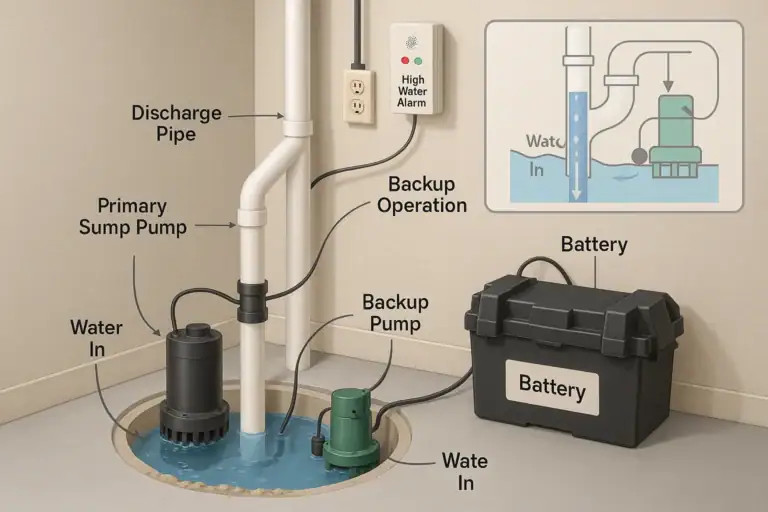 Sump Pump Alarm and Battery Backup Basics: A Practical Homeowner Guide
 How to Keep Security Camera Footage Private Inside Your Home