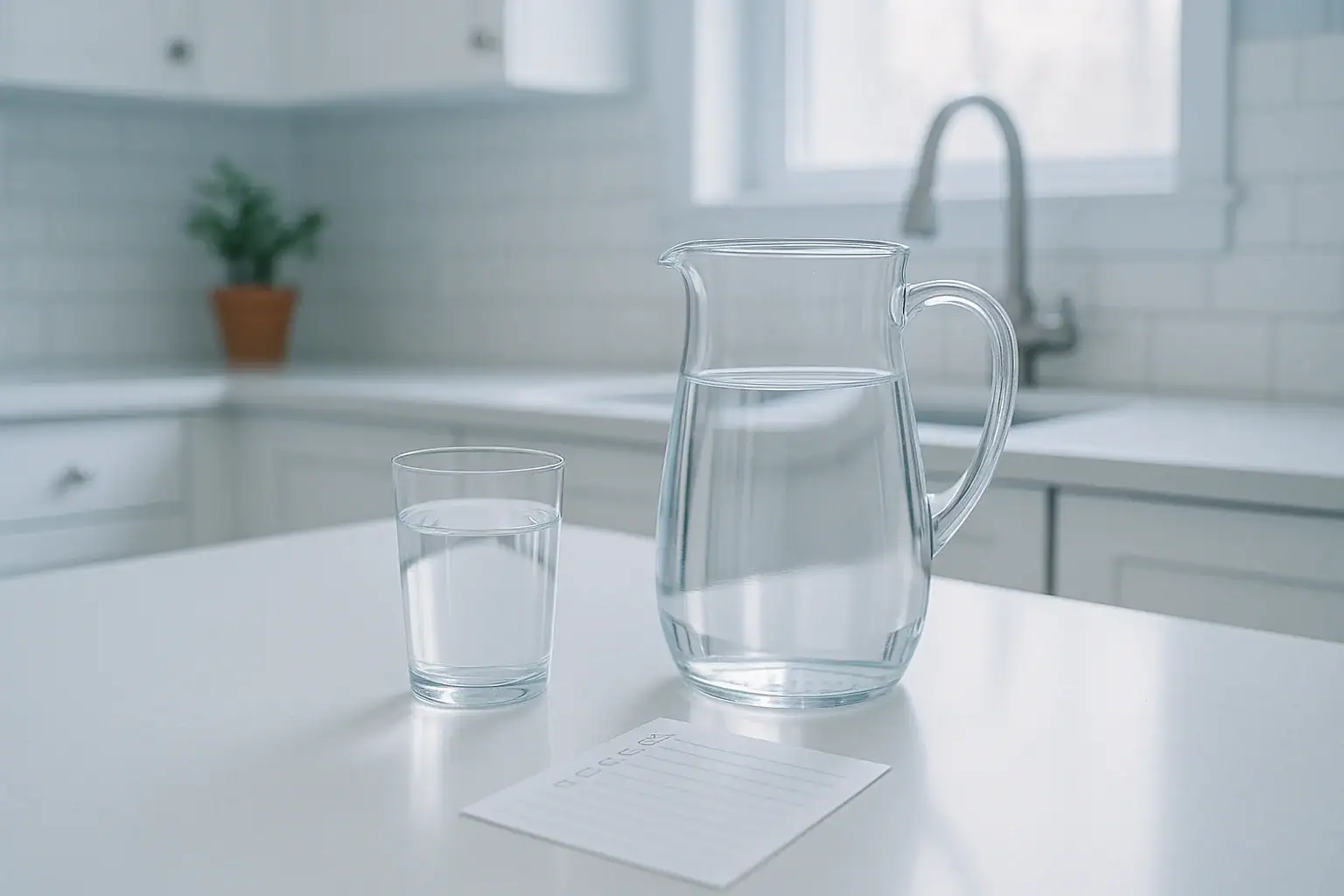
If your tap water suddenly smells like a swimming pool or leaves a sharp, chemical taste in your mouth, you are not alone. Many households notice a chlorine taste in tap water at certain times of the year or after local system changes. While chlorine is commonly used to keep public water supplies safe from harmful germs, it can be unpleasant to drink. The good news is that in most homes, the issue is more about taste and smell than safety, and there are several simple, low-cost steps you can take right in your kitchen to make your water more enjoyable. This quick fix checklist walks you through what to check, what to try first, and when it may be worth calling your local water supplier or a professional for help.
Quick Fix Checklist: First Steps for Chlorine Taste
Before you invest in new equipment or make big changes, run through this simple checklist. Many chlorine taste problems can be improved within minutes using tools you already have at home.
- Run the cold tap for 1–2 minutes
- Try the taste test: cold vs. hot water
- Let water sit in an open container in the fridge
- Use clean ice made from fresh water
- Check faucet aerators for buildup
- Compare kitchen tap to another faucet in the home
- Review any recent plumbing work or changes
- Call your water supplier for recent treatment updates
The following sections explain each step in more detail and help you decide what to do next if the chlorine taste does not improve.
Step 1: Run the Tap and Flush the Line
Sometimes the strongest chlorine taste comes from water that has been sitting in your home’s plumbing for hours. This is especially common first thing in the morning or after you return from work or a trip.
How to flush your kitchen tap
- Turn on the cold water tap fully.
- Let it run for 1–2 minutes.
- Take a clean glass and fill it with cold water.
- Smell and taste the water again.
If the chlorine taste is noticeably weaker after flushing, the issue may simply be stagnant water in your pipes. Make it a habit to run the tap briefly before filling your drinking glass, especially after long periods of non-use.
Step 2: Compare Cold and Hot Water
Hot water can sometimes taste worse than cold water because heat can intensify odors and flavors. Hot water may also pick up more taste from the water heater and plumbing.
Simple taste comparison
- Fill one glass with cold water from the tap.
- Fill another glass with hot water from the same tap.
- Let both cool to room temperature.
- Smell and taste each glass separately.
If the chlorine taste is stronger in the hot water, avoid using hot tap water for drinking or cooking. Instead, draw cold water and heat it on the stove or in an electric kettle. This can immediately improve the taste of coffee, tea, and soups.
Step 3: Let Water Chill and Breathe
Chlorine can gradually escape from water when it is exposed to air. Cooling the water also helps reduce taste and odor. This is one of the easiest and most budget-friendly fixes you can try.
How to reduce chlorine taste with time and cold
- Fill a clean glass or pitcher with cold tap water.
- Leave the container uncovered in the refrigerator for several hours, or overnight.
- Taste the water the next day and compare it to freshly drawn tap water.
Many people notice a clear improvement after the water has had time to sit and chill. If this works for you, keep a covered pitcher of pre-chilled water in the fridge. For daily use, you can fill it at night so it is ready the next day.
Step 4: Use Fresh Ice and Clean Trays
Ice can concentrate unpleasant tastes and odors, especially if the ice has been sitting in the freezer for weeks or has absorbed smells from nearby food.
Ice checklist
- Dump old ice cubes and make a fresh batch.
- Wash ice cube trays with warm, soapy water and rinse well.
- Use freshly flushed cold tap water to fill the trays.
- Store ice in a closed container or sealed bag to prevent odor transfer.
Once the new ice is frozen, make a drink with the fresh cubes and compare the taste to drinks made with older ice. This small step can make a noticeable difference.
Step 5: Inspect and Clean Faucet Aerators
The small screen at the tip of your kitchen faucet, called an aerator, can collect mineral deposits, sediment, and other particles over time. These can trap odors or affect taste.
How to clean your kitchen faucet aerator
- Unscrew the aerator from the end of the faucet. You may be able to do this by hand or with a soft cloth and pliers.
- Take note of how the parts are arranged so you can reassemble them later.
- Rinse all pieces under running water.
- Soak the parts in a small bowl of warm water with a bit of mild dish soap or a simple vinegar solution.
- Use a soft brush or an old toothbrush to remove any buildup.
- Rinse thoroughly and reassemble the aerator.
- Run the tap for 30–60 seconds and taste the water again.
Cleaning the aerator can help improve both flow and taste, especially if you have noticed reduced water pressure or visible buildup.
Step 6: Compare Different Faucets in Your Home
If only one faucet has a strong chlorine taste, the issue may be related to that particular fixture or section of plumbing. Comparing faucets helps narrow down the source.
What to check
- Fill a glass from the kitchen tap and another from a bathroom sink.
- Smell and taste both samples.
- Note whether the chlorine taste is similar or stronger in one location.
If all faucets have the same taste, the cause is likely the incoming water supply. If only one faucet is affected, focus on cleaning or replacing parts of that fixture and checking for localized plumbing issues.
Step 7: Consider Recent Plumbing or Water System Changes
A sudden change in water taste often lines up with a recent event. Thinking back over the last few days or weeks can provide helpful clues.
Questions to ask yourself
- Has there been any recent plumbing repair or installation in your home?
- Did you move into a new home or change from a private well to city water?
- Have you noticed public notices about water main work or hydrant flushing nearby?
- Did you recently return from vacation after the water sat in your pipes?
Temporary increases in chlorine levels sometimes occur when utilities flush lines, switch disinfectants, or respond to heavy rainfall or flooding. These changes are usually short term, but they can be noticeable in taste and odor.
Step 8: Contact Your Local Water Supplier
If basic steps do not improve the chlorine taste, or if you simply want reassurance, your local water supplier can be a valuable resource. They can explain current treatment levels and any recent changes.
What to ask when you call
- Are chlorine or related disinfectants currently being used, and at what typical levels?
- Have there been recent changes in treatment methods or seasonal adjustments?
- Are there any current advisories or notices for your area?
- Can they provide a recent water quality report for your address?
Most public systems are required to test regularly and keep chlorine within specific limits. Understanding what is normal for your area can help you decide what additional steps, if any, you want to take at home.
Step 9: Kitchen Strategies to Improve Taste Day to Day
Beyond quick fixes, there are simple habits and tools that can consistently reduce chlorine taste in your kitchen without major changes to your plumbing.
Everyday habits that help
- Keep a pitcher of cold tap water in the fridge so it has time to chill and air out.
- Use cold water for drinking and cooking, then heat it as needed.
- Refresh ice regularly instead of letting it sit for weeks.
- Clean sink surfaces and drains to prevent unrelated odors from affecting your perception of taste.
These small adjustments can make your water more pleasant, even if chlorine levels remain the same.
Step 10: When to Consider Filtration Options
If you are still unhappy with the taste of your tap water after trying the steps above, you may want to look into filtration options designed to reduce chlorine and improve flavor.
Common home approaches
- Pitcher-style filters: Simple to use, sit in the refrigerator, and can noticeably improve taste when maintained properly.
- Faucet-mounted filters: Attach directly to the kitchen faucet and allow you to switch between filtered and unfiltered water.
- Under-sink systems: Installed below the counter with a dedicated drinking water tap; can be a good choice if you want filtered water on demand.
- Whole-house systems: Treat water as it enters the home; often used when taste and odor are noticeable throughout the house.
Whatever option you choose, follow the manufacturer’s guidelines for installation and filter replacement. A neglected filter can lose effectiveness or even affect water quality.
Is Chlorine Taste in Tap Water Safe?
In most public water systems, chlorine is added to control germs and is kept within regulated limits. A stronger taste does not always mean unsafe water, but it can be unpleasant and may signal a temporary change in treatment.
If you have health concerns, live with someone who has a weakened immune system, or rely on a private well, consider having your water tested by a certified laboratory. Testing can provide clear information about chlorine levels and other potential contaminants.
When to Seek Professional Help
While chlorine taste alone is often a comfort issue, certain signs suggest it is time to involve a professional or your local health department.
Contact a professional or local authority if you notice:
- Sudden, extreme changes in taste, color, or odor
- Cloudy or discolored water that does not clear after flushing
- Oily film, particles, or unusual residue in your water
- Persistent stomach or health issues that may be related to water
- Neighbors reporting similar concerns at the same time
Describing the exact changes you notice, how long they have been present, and which faucets are affected will help professionals diagnose the issue more quickly.
Putting It All Together: Your Quick Fix Checklist
Here is a simple summary you can keep handy in your kitchen whenever chlorine taste becomes noticeable.
Chlorine Taste in Tap Water: At-a-Glance Checklist
- Run cold water for 1–2 minutes, then taste again.
- Compare cold vs. hot water; use cold for drinking and cooking.
- Chill water in an open container in the fridge overnight.
- Dump old ice, clean trays, and make fresh ice with flushed water.
- Remove and clean faucet aerators to clear buildup.
- Compare water from different faucets in your home.
- Think about recent plumbing work or local water system changes.
- Call your water supplier for current treatment and test results.
- Adopt daily habits: fridge pitcher, fresh ice, clean sink area.
- Consider filtration options if taste is still not acceptable.
By working through this list, you can usually pinpoint the cause of chlorine taste in your tap water and find a practical, kitchen-friendly solution. With a few simple changes, you can enjoy better-tasting water for drinking, cooking, and everyday use at home.
 Cloudy Glasses From the Dishwasher: Causes and Simple Fixes
 Troubleshooting Water Hammer After a Dishwasher or Washer Cycle
 Condensation Inside Your Refrigerator: Causes, Fixes, and Prevention