If your kitchen sink smells bad even when the drain seems clear, you are not imagining it. A sink can look perfectly fine on the surface and still hide stubborn odor sources deeper in the plumbing, garbage disposal, or even the vent system. Understanding where those smells come from and how to safely get rid of them can save you from unnecessary service calls and ongoing frustration. This guide walks through the most common hidden causes of kitchen sink odors, how to troubleshoot each one step by step, and when it is time to call a professional. With a little detective work and regular maintenance, you can keep your kitchen sink smelling fresh and working smoothly.
Why Your Kitchen Sink Smells Bad When the Drain Looks Clear
A clear-looking drain does not always mean a clean or odor-free drain. Smells often come from places you cannot see, such as the underside of the drain flange, the garbage disposal chamber, the P-trap, or even the vent pipes in your walls. Food residue, grease, and bacteria can cling to surfaces and cause odors long after visible debris is gone.
Common reasons your sink smells bad even when water drains normally include:
- Hidden buildup on the walls of the drainpipe or disposal
- Grease and fat coating the pipes and trapping odors
- Dry or faulty P-trap that no longer seals sewer gas
- Bacteria growth on organic residue in pipes and disposal
- Clogged or blocked vent causing sewer gas to back up
- Standing water in rarely used lines or dishwasher connections
Before pouring random chemicals down the sink, it helps to narrow down which of these issues is most likely in your kitchen.
Step 1: Identify the Type of Odor
The way the smell hits you can be a useful troubleshooting clue. Pay attention to when the odor appears and what it smells like.
Rotten food smell
If the odor is sour, rotten, or like spoiled food, the cause is usually:
- Food particles trapped in the garbage disposal
- Residue stuck under the drain flange or stopper
- Grease and food coating the upper part of the drainpipe
Sulfur or rotten egg smell
A sulfur or rotten egg smell can suggest:
- Bacteria reacting with minerals in the water
- Stagnant water in the P-trap or branch lines
- Occasionally, an issue with the water supply itself
Sewer gas smell
A strong sewer odor or gas smell often means:
- A dry or empty P-trap under the sink
- A cracked or loose drain connection
- A blocked or improperly installed vent pipe
Once you have a general idea of the type of smell, you can move on to targeted checks.
Step 2: Check Visible Parts of the Sink and Drain
Start with a basic inspection and cleaning of the parts you can see and reach easily.
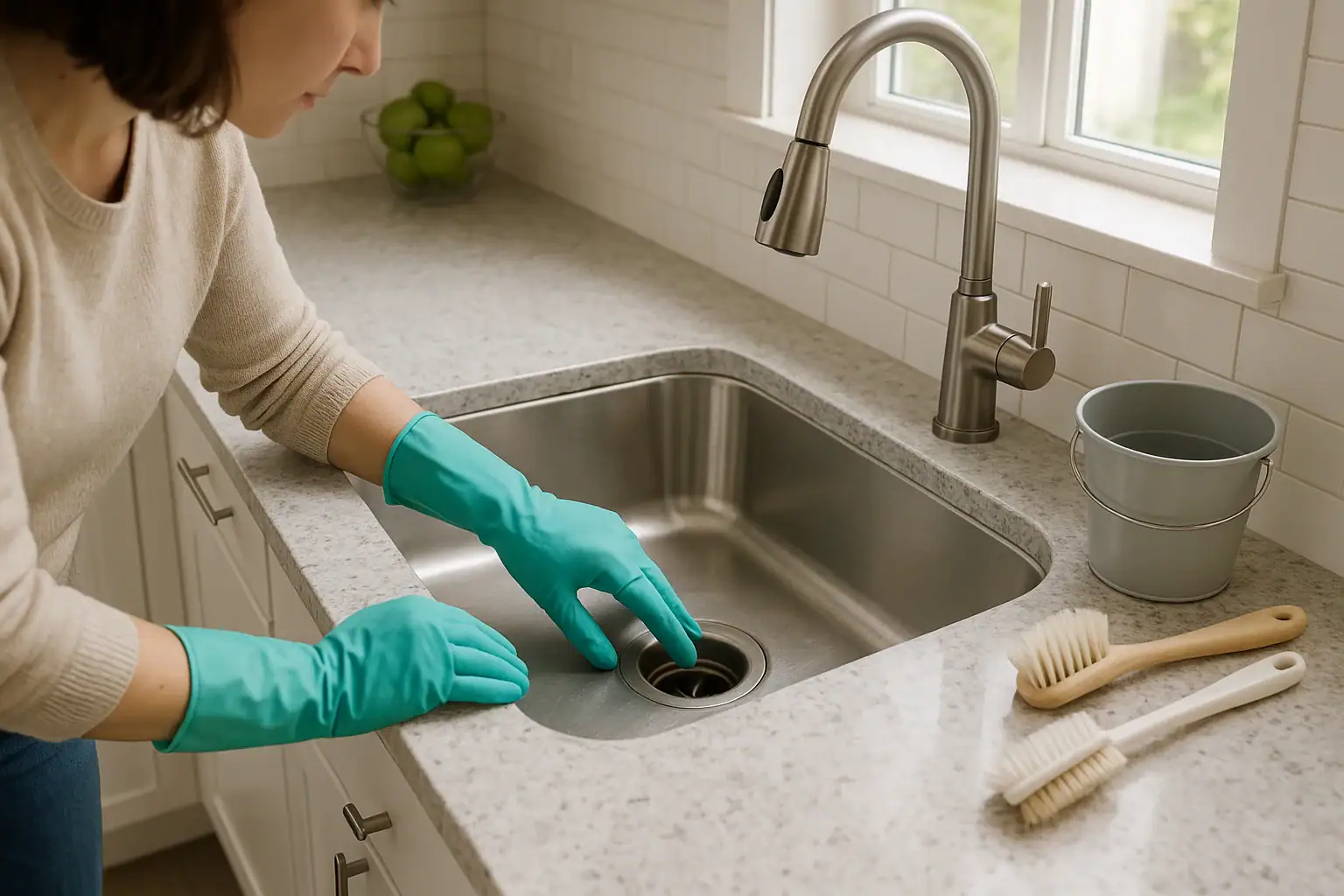
Clean the sink surface and drain flange
- Remove any dishes or standing water from the sink.
- Use a non-abrasive cleaner or a mix of dish soap and warm water.
- Scrub around the drain opening, especially the metal ring and any crevices.
- If you have a removable drain strainer or stopper, pull it out and clean it thoroughly.
Residue right at the drain opening can hold odors even when the pipe below looks clear.
Look for slow drainage or gurgling
Run water for 30–60 seconds and notice what happens:
- Slow draining hints at partial buildup further down the line.
- Gurgling sounds can suggest venting issues or air trapped in the line.
- Water backing up into the other side of a double sink may indicate a clog in the shared drain line.
Step 3: Deep Clean the Garbage Disposal (If You Have One)
A garbage disposal is one of the most common sources of kitchen sink odors, even when it seems to run fine and the drain looks clear.
Safety first
- Turn off the disposal switch.
- If possible, unplug the disposal or switch off the breaker for extra safety.
Clean the splash guard and upper chamber
- Carefully lift the black rubber splash guard at the top of the disposal.
- Use a small brush or old toothbrush with dish soap to scrub the underside of the guard.
- Gently scrub the inside walls near the top of the disposal where food often sticks.
- Rinse with warm water while the power is still off.
Flush and deodorize
- Restore power to the disposal.
- Run a strong stream of cold water.
- Turn on the disposal and let it run for 30–60 seconds.
- Optionally, grind a few ice cubes with a small amount of coarse salt to help scrub the blades and chamber.
- Finish with another 30 seconds of cold water to flush everything through.
A thorough cleaning often removes stubborn food odors that linger even when the drain looks clear.
Step 4: Clean the Drain Line Without Harsh Chemicals
If the disposal and visible sink area are clean but the smell remains, the odor may be coming from buildup further down the drain line. You can often improve this without using harsh chemical drain cleaners.
Hot water flush
- Bring a large pot of water just to a boil.
- Turn off the heat and let it sit for a minute so it is very hot but not violently boiling.
- Slowly pour the hot water directly into the drain in two or three stages, allowing it to work through the line.
This helps melt and move grease that may be coating the pipes.
Mild cleaning solution
You can use a gentle cleaning approach to loosen residue:
- Pour a small amount of baking soda into the drain.
- Follow with white vinegar, allowing the mixture to foam and sit for 10–15 minutes.
- Rinse thoroughly with hot tap water.
This will not clear solid clogs but can help with minor buildup and odors.
Step 5: Inspect the P-Trap for Odor and Blockages
The P-trap is the curved section of pipe under your sink. It is designed to hold water, which creates a seal that blocks sewer gas from coming back up through the drain. Problems with the P-trap are a frequent cause of bad smells.
Signs of a P-trap issue
- Strong sewer smell that gets worse when the sink is not used
- Odor coming from both sides of a double sink
- Gurgling sounds when water drains
Check if the P-trap is dry
If the sink has not been used for a while, the water in the P-trap can evaporate, breaking the seal. To fix this:
- Run water in the sink for 30–60 seconds.
- Wait a few minutes and see if the odor fades.
- If the smell improves, the issue may have been a dry trap.
Clean the P-trap (for confident DIYers)
If you are comfortable working with basic plumbing, you can remove and clean the P-trap. If not, consider calling a plumber. For a DIY approach:
- Place a bucket under the P-trap to catch water.
- Loosen the slip nuts on each side of the trap by hand or with adjustable pliers.
- Carefully remove the trap and dump the contents into the bucket.
- Use a bottle brush to clean inside the trap and the connecting pipes you can reach.
- Reassemble, making sure the washers are seated correctly and the nuts are snug but not overtightened.
- Run water and check for leaks while the bucket is still in place.
Step 6: Consider Venting and Sewer Gas Issues
If the odor smells like sewer gas and cleaning has not helped, the problem may be with the plumbing vent system or a hidden leak. This is usually not a do-it-yourself job, but you can look for a few clues.
What the vent system does
The vent pipes connected to your drains allow air to enter the plumbing system so water can flow smoothly and sewer gas can escape outside through the roof. If a vent is blocked or missing, sewer gas may escape through sink drains instead.
Signs of a vent problem
- Gurgling sounds from the sink or nearby drains
- Water in the P-trap being pulled out, leaving the trap dry
- Persistent sewer odor even after cleaning the drain and P-trap
When to call a professional
Contact a licensed plumber if you notice any of the following:
- Strong sewer smell that does not improve with cleaning
- Multiple fixtures in the kitchen or nearby rooms smell bad
- Visible leaks, corrosion, or cracked pipes under the sink
- Frequent clogs along with sewer odors
A professional can test the venting system, inspect for hidden leaks, and correct installation issues that are difficult to diagnose from the sink alone.
Step 7: Check the Dishwasher and Other Connections
Many kitchen sinks share drain lines with dishwashers or other appliances. Odors can sometimes travel from one connection to another.
Dishwasher drain hose
The dishwasher drain hose usually connects to the garbage disposal or a branch of the sink drain. Problems that can cause odors include:
- Food residue trapped in the hose
- A sagging hose that allows dirty water to pool
- A missing or improperly installed high loop or air gap
Look under the sink to see how the hose runs. It should rise up in a loop near the underside of the countertop before connecting to the drain or disposal. This helps prevent sink water from flowing back into the dishwasher.
Other nearby drains
In some layouts, a washing machine or bar sink may share a branch line with the kitchen sink. Odors from those appliances can sometimes show up at the kitchen sink drain. If you notice smells after using another fixture, mention this detail to a plumber, as it can help pinpoint the issue.
Preventing Kitchen Sink Odors Long Term
Once you have cleared the current smell, a few simple habits can help keep your kitchen sink fresh and reduce the chance of odors returning.
Daily and weekly habits
- Run plenty of water whenever you use the disposal or rinse food down the drain.
- Wipe food scraps into the trash or compost instead of rinsing everything into the sink.
- Rinse the sink with hot water after washing dishes or cleaning greasy pans.
- Clean the drain flange and stopper regularly with a small brush and dish soap.
Monthly maintenance
- Flush the drain with very hot water to help move grease along.
- Clean the garbage disposal splash guard and upper chamber.
- Use a mild baking soda and vinegar treatment if odors start to appear.
- Check under the sink for any signs of moisture, drips, or corrosion.
What to avoid putting down the kitchen sink
Certain materials are more likely to cause buildup, clogs, and odors over time. Try to keep these out of your drain:
- Cooking grease, fats, and oils
- Large amounts of coffee grounds
- Fibrous foods like celery and corn husks
- Eggshells and hard pits
- Starchy foods that swell, such as rice and pasta
When a Bad-Smelling Sink Is a Bigger Warning Sign
Most kitchen sink odors are caused by local issues like food buildup or a dirty P-trap. However, sometimes a persistent smell is a sign of a larger plumbing or drainage problem.
Consider a professional inspection if you notice:
- Odors coming from multiple drains in the home
- Frequent backups in the kitchen sink or nearby fixtures
- Slow drains throughout the house
- Wet spots, mold, or musty odors under cabinets or near walls
- Gurgling toilets or drains when the kitchen sink is used
These symptoms can point to issues like a partially blocked main sewer line, failing vent system, or hidden leaks that should be addressed promptly.
Bringing It All Together
When your kitchen sink smells bad even though the drain seems clear, the cause is usually hidden buildup, a problem with the P-trap, or an issue with venting or connected appliances. By working through the steps in this guide, you can often track down and correct the source of the odor without guesswork.
Start with simple cleaning and hot water flushes, then move on to checking the garbage disposal, P-trap, and dishwasher connections. If the smell persists or you notice signs of sewer gas or multiple affected fixtures, reach out to a licensed plumber. With regular maintenance and a bit of troubleshooting, your kitchen sink can stay both functional and fresh-smelling.
For more tips on caring for the water and fixtures in your kitchen, explore additional guides in the water and kitchen section of your favorite home resource sites.
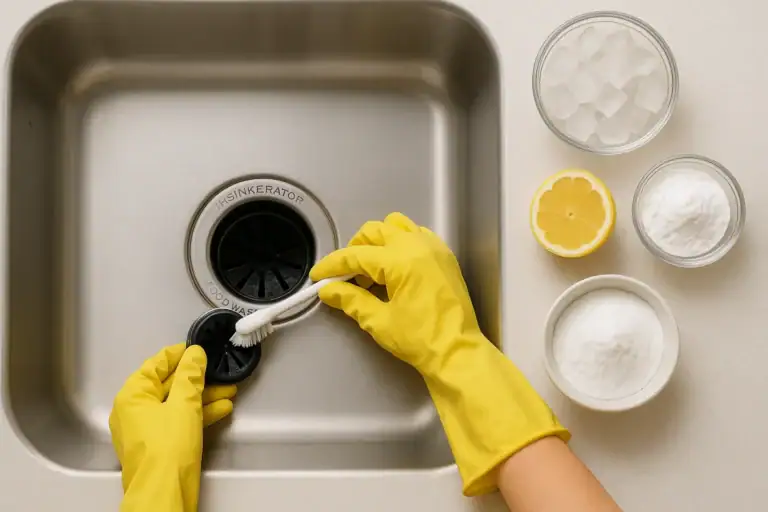 Garbage Disposal Smell Causes and a Simple Cleaning Routine That Works
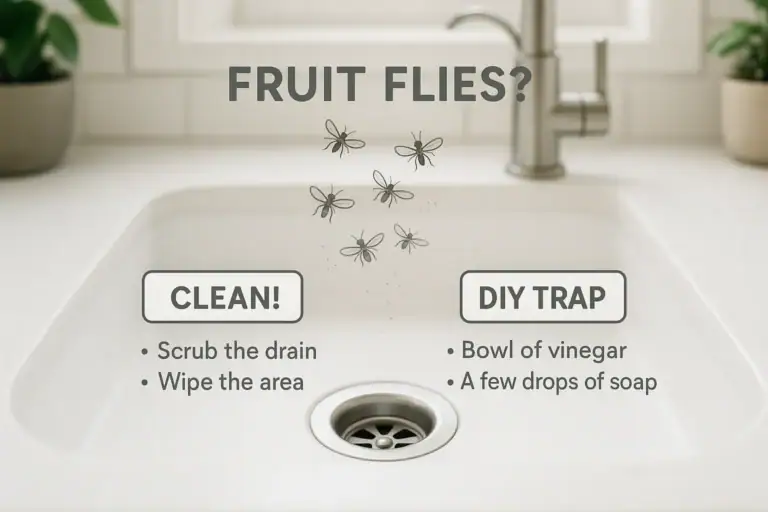 Fruit Flies in Sink Drain: Prevention, Traps, and Troubleshooting Tips
 Ice Maker Water Tastes Bad: Common Causes and Easy Fixes