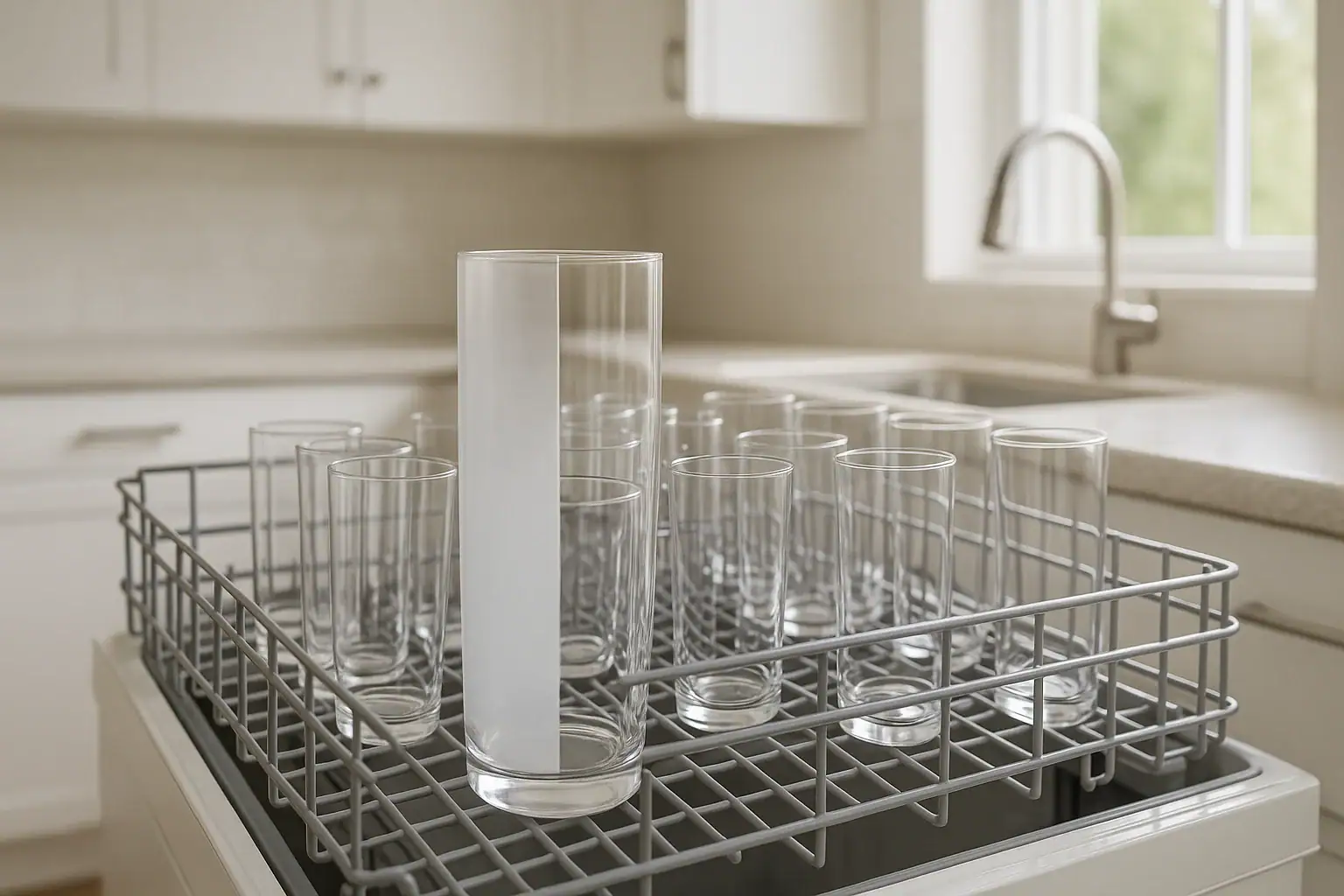
If your drinking glasses come out of the dishwasher looking cloudy instead of clear, you are not alone. Many households deal with hazy glassware that looks dirty even after a full wash cycle. The good news is that cloudy glasses usually have a simple cause, and in many cases you can restore their shine with a few easy changes to your routine. Understanding what is happening inside your dishwasher, how your home’s water affects cleaning, and which settings and products you use can make a big difference. This guide walks you through the most common reasons glasses turn cloudy, how to tell what is causing the problem in your home, and step-by-step fixes to get your glassware sparkling again.
First Step: Identify What Kind of Cloudiness You Have
Before you can fix cloudy glasses, you need to figure out what is causing the haze. There are two main types of cloudiness:
- Mineral film from hard water
- Permanent etching from harsh conditions in the dishwasher
Each problem looks a little different and needs a different solution.
Quick Test: Is It Film or Etching?
Use this simple test to understand what you are dealing with:
- Fill a bowl with equal parts warm water and white vinegar.
- Place a cloudy glass in the mixture so the cloudy area is fully covered.
- Let it soak for 5 to 10 minutes.
- Rinse with clean water and dry with a soft towel.
Now check the glass:
- If the cloudiness is gone: You had mineral deposits or detergent film. This is usually fixable.
- If the cloudiness remains: The glass is likely etched. Etching is permanent damage, but you can prevent it from happening to other glasses.
Cause 1: Hard Water Mineral Deposits
Hard water is one of the most common reasons for cloudy glasses from the dishwasher. Hard water contains high levels of minerals, mainly calcium and magnesium. During a hot wash and dry cycle, those minerals can dry onto your glassware, leaving a white, cloudy film.
Signs Your Cloudiness Is From Hard Water
- Cloudy film wipes off with vinegar or a mild acid cleaner.
- You see white spots or a chalky residue on glasses, dishes, and the inside of the dishwasher.
- Faucets and showerheads in your home often have white buildup.
Simple Fixes for Hard Water Film
Once you know hard water is the problem, try these solutions:
1. Use a Rinse Aid
Rinse aid helps water sheet off the surface of your dishes instead of drying in droplets that leave spots and film.
- Fill the rinse aid dispenser in your dishwasher according to the manual.
- Choose a higher rinse aid setting if your water is very hard.
- Refill the dispenser regularly; do not let it run dry.
2. Adjust Detergent Amount
Using too much detergent can actually make cloudiness worse, especially in homes with soft or moderately hard water. Extra detergent can leave a film that traps minerals on the glass.
- Use the lowest amount of detergent that still gets dishes clean.
- If you use pods or tablets, make sure they are appropriate for your dishwasher size and water hardness.
- If your dishwasher allows, try a shorter or lighter cycle to reduce detergent buildup.
3. Run a Vinegar Rinse Cycle
A vinegar rinse can help dissolve mineral buildup on both your glasses and the inside of the dishwasher.
- Place a dishwasher-safe cup filled with white vinegar on the top rack.
- Run a hot water cycle with no detergent and no other dishes.
- Repeat every month or as needed if you notice buildup returning.
4. Manually Clean Cloudy Glasses
For glasses that are already cloudy from mineral deposits, try this method:
- Soak glasses in a mixture of equal parts warm water and white vinegar for 10 to 20 minutes.
- Gently scrub with a soft sponge or cloth, focusing on cloudy areas.
- Rinse thoroughly and dry with a lint-free towel.
This will not fix etched glass, but it can restore clarity when mineral film is the issue.
Long-Term Solution: Consider Treating Hard Water
If you live in an area with very hard water, you may notice problems not only on your dishes but also in your plumbing, water heater, and fixtures. In that case, you may want to look into home water treatment options. These can reduce mineral buildup throughout your home and help protect appliances, including your dishwasher.
Cause 2: Glass Etching From Harsh Conditions
Etching is permanent damage to the surface of the glass. Instead of a removable film, tiny scratches or pits develop over time, making the glass look cloudy or frosted. Once glass is etched, there is no reliable way to restore it to its original clarity, but you can prevent the problem from getting worse.
Signs Your Glasses Are Etched
- Cloudiness does not improve after soaking in vinegar or washing by hand.
- The surface feels slightly rough when you run your fingers over it.
- Older glasses are more affected than newer ones.
- The haziness looks uniform instead of spotty or streaky.
What Causes Etching in the Dishwasher?
Several factors can work together to damage glass over time:
- Water that is too soft: Very soft water combined with strong detergent can be aggressive on glass.
- Too much detergent: Excess detergent can slowly wear down the surface of glassware.
- Very high water temperature: Extremely hot water can speed up chemical reactions that damage glass.
- Long, heavy-duty cycles: Extended exposure to hot, alkaline water can increase etching.
How to Prevent Further Etching
1. Use Less Detergent
Cut back on the amount of detergent you use, especially if your water is naturally soft or you have a home water softening system.
- Start with the minimum recommended amount.
- Increase only if you notice food is not being removed.
2. Choose Gentler Wash Settings
High-temperature, heavy-duty cycles are often more than glassware needs.
- Use a normal or light cycle for everyday loads.
- Skip extra-hot or “sanitizing” options for delicate glasses.
- Turn off heated dry if your dishwasher allows, and let dishes air dry instead.
3. Keep Delicate Glasses Out of the Dishwasher
For thin or special glassware, the safest option is hand washing.
- Wash delicate glasses in warm, not hot, water.
- Use a mild dish soap and a soft sponge.
- Avoid abrasive scrubbers or harsh cleaners.
4. Rotate Glassware Use
If you use the same set of glasses every day and always wash them in the dishwasher, they will wear out faster. Rotating between different sets can slow down the etching process.
Cause 3: Detergent and Soap Film
Sometimes cloudy glasses are not from minerals or etching at all, but from leftover detergent or soap film. This is more common if you pre-rinse dishes heavily or mix hand-washing products with dishwasher cycles.
How Detergent Film Builds Up
- Over-rinsing dishes: Modern dishwasher detergents are designed to work with some food soil. If dishes are too clean going in, detergents may not dissolve and rinse properly.
- Using hand dish soap in the dishwasher: Hand soaps create suds and residue that dishwashers are not designed to handle.
- Too much detergent: Excess detergent can leave a thin, cloudy layer on glass.
Fixes for Detergent Film
1. Stop Using Hand Soap in the Dishwasher
Only use products specifically labeled for automatic dishwashers. Hand dish soap and other cleaners can cause film, suds, and even leaks.
2. Adjust How You Load and Rinse Dishes
- Scrape off large food pieces, but avoid fully washing dishes before loading.
- Do not nest glasses inside each other; water cannot reach all surfaces.
- Load glasses securely so they do not rub against each other and scratch.
3. Run a Hot Rinse Cycle
If you suspect detergent film, try this:
- Load only cloudy glasses into the dishwasher.
- Skip detergent and run a hot water cycle with rinse aid.
- Check whether the cloudiness improves after the cycle.
Cause 4: Dishwasher Maintenance Issues
A poorly maintained dishwasher can also contribute to cloudy glasses. If filters, spray arms, or interior surfaces are dirty or clogged, your dishwasher may not rinse properly, leaving residue behind.
Basic Dishwasher Maintenance Checklist
1. Clean the Filter
Most modern dishwashers have a removable filter at the bottom.
- Remove the bottom rack to access the filter.
- Twist or lift the filter out, following your owner’s manual.
- Rinse the filter under warm water and gently scrub with a soft brush.
- Reinstall the filter securely.
2. Clear the Spray Arms
Clogged spray arm holes can reduce water pressure and rinsing power.
- Remove the spray arms if your model allows.
- Use a toothpick or small brush to clear debris from each hole.
- Rinse under running water and reinstall.
3. Clean the Interior
Mineral deposits and soap scum can build up on the walls and door of your dishwasher.
- Wipe the door gasket and edges with a damp cloth.
- Run a cleaning cycle with a dishwasher cleaner or a cup of white vinegar on the top rack.
How to Protect New Glassware From Cloudiness
If you have recently purchased new glasses or want to protect the ones you have left, a few habits can help keep them clear for longer.
Smart Habits for Clear Glasses
- Check your water hardness: Many local water providers list hardness levels online. This helps you decide how much detergent and rinse aid to use.
- Use rinse aid consistently: Do not wait until you see spots; keep the dispenser filled.
- Avoid extreme heat: Skip the hottest and longest cycles for everyday glassware.
- Wash special pieces by hand: For sentimental or expensive glasses, hand washing is safer than any dishwasher cycle.
- Inspect regularly: Check glasses as you unload the dishwasher. Address early signs of film before they build up.
When to Replace Cloudy Glasses
Sometimes, despite your best efforts, glasses stay cloudy. If the vinegar test does not help and the surface feels rough or frosted, the glass is likely etched beyond repair.
Deciding What to Keep and What to Toss
- Safety first: Deeply etched glasses may be weaker and more likely to crack or break.
- Appearance: If you entertain guests often, you may want a set of clear glasses for serving and keep older, cloudy ones for everyday use.
- Budget: You do not need to replace everything at once. Start with a few new pieces and rotate them in as older ones wear out.
Troubleshooting Checklist: Cloudy Glasses From the Dishwasher
Use this quick checklist to troubleshoot cloudy glasses step by step:
- Do the vinegar soak test to see if cloudiness is removable.
- If it wipes off, focus on hard water and detergent film solutions.
- If it does not, assume etching and adjust your wash habits to protect remaining glasses.
- Check and clean your dishwasher filter, spray arms, and interior.
- Adjust detergent amount and cycle settings based on your water hardness.
- Use rinse aid consistently for better drying and fewer spots.
- Hand wash delicate or sentimental glassware.
Bringing It All Together
Cloudy glasses from the dishwasher are frustrating, but they are also a helpful signal about what is happening with your water, detergent, and appliance. By taking a few minutes to test whether the haze is removable, you can quickly narrow down the cause and choose the right fix. In many homes, simple changes like using rinse aid, adjusting detergent, and cleaning the dishwasher regularly are enough to restore shine. In other cases, you may discover that protecting your glassware means using gentler cycles or hand washing special pieces. With a little troubleshooting and a few new habits, you can keep your glasses clearer, your dishwasher working better, and your kitchen looking more polished every time you open the cabinet.
 Condensation Inside Your Refrigerator: Causes, Fixes, and Prevention
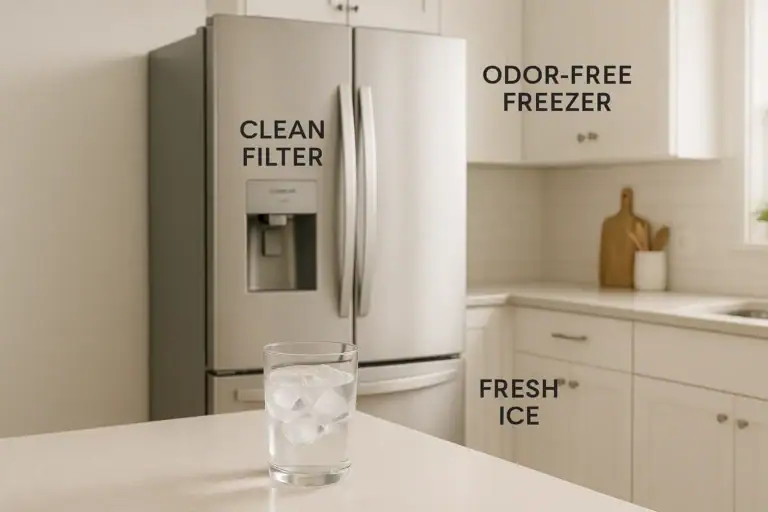 Ice Maker Water Tastes Bad: Common Causes and Easy Fixes
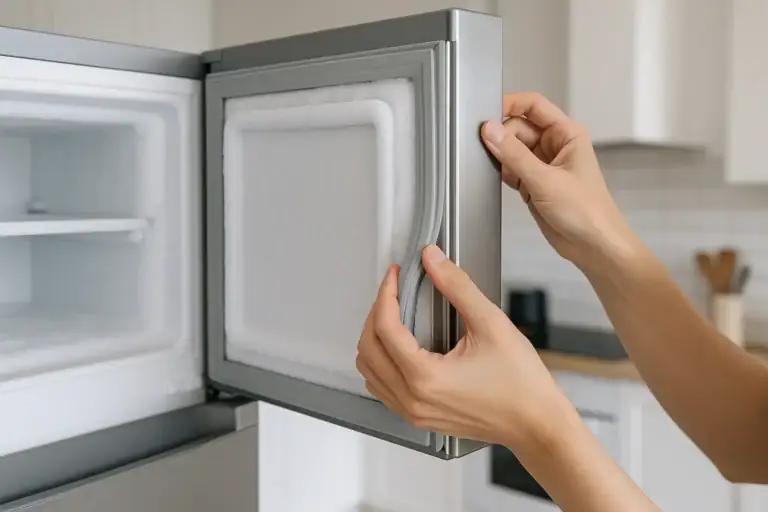 Freezer Frost Around the Door: Simple Fixes and Checks