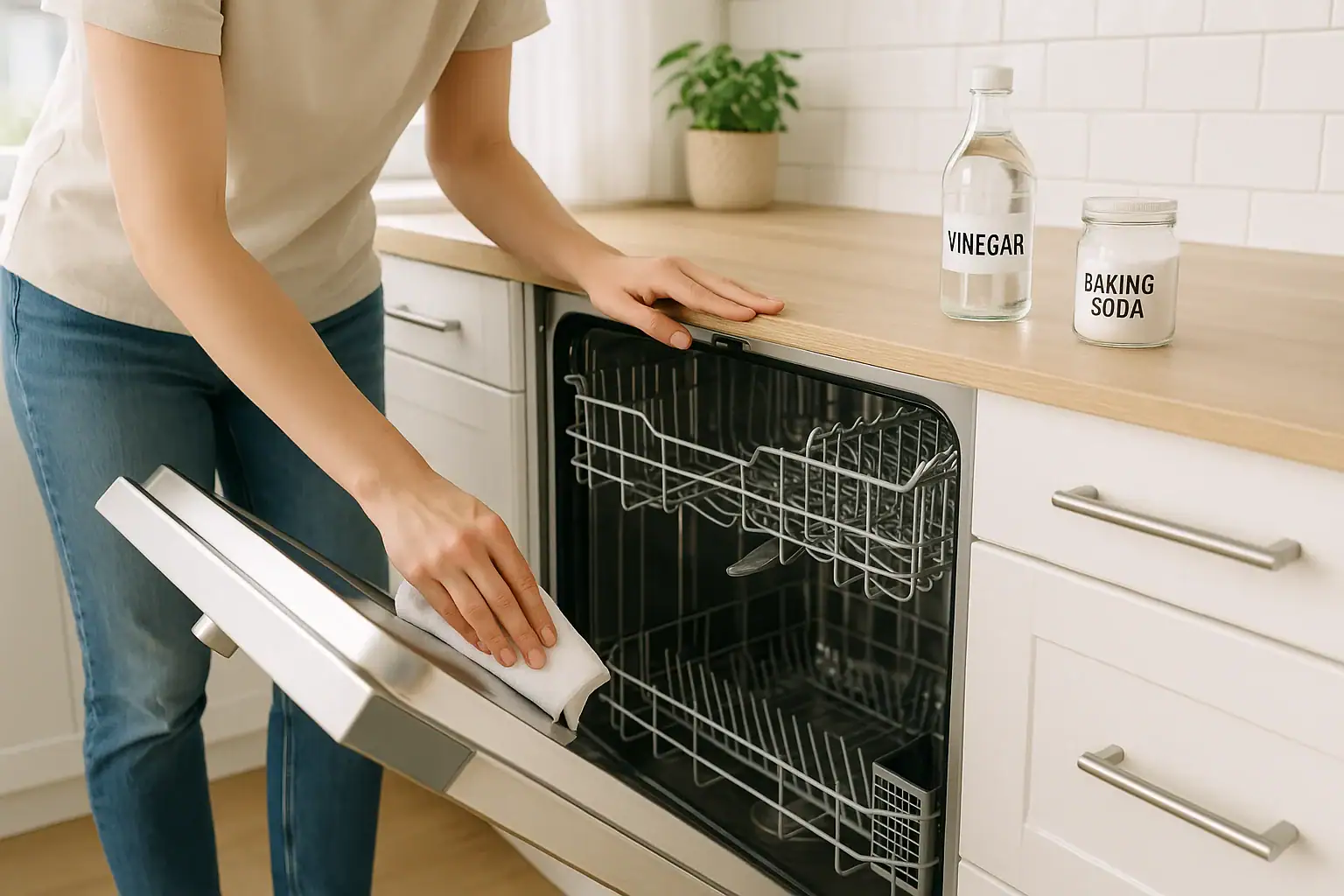
If you open your dishwasher and get hit with a sour or rotten smell, it is frustrating and a little alarming. The good news is that most dishwasher odors are easy to track down and fix at home with simple tools and a little time. In many cases, the problem is not a major breakdown but a buildup of food particles, grease, or standing water in hidden spots. By understanding what causes the smell, you can clear it out, reset your machine, and put a few simple habits in place to keep your kitchen smelling fresh.
This guide walks you through the most common reasons a dishwasher smells bad, how to inspect and clean each area, and a straightforward reset routine that can help your machine run better. You will also learn when a bad smell might be a sign of a larger plumbing or mechanical issue that needs professional attention.
Why Your Dishwasher Smells Bad
Dishwasher odors almost always come down to one of three things: trapped food, trapped moisture, or poor drainage. When warm, damp air meets leftover food particles, bacteria and mildew grow quickly, and that is what your nose is picking up when you open the door.
Common odor sources inside a dishwasher
- Clogged filter: Modern dishwashers usually have a removable filter that catches food. If it is not cleaned regularly, it can smell like rotten food or garbage.
- Dirty spray arms: Small holes in the spray arms can trap food and grease, leading to a sour or musty smell.
- Standing water in the bottom: If water is not draining completely, it can become stagnant and smelly.
- Grease and soap scum buildup: Over time, a film of grease, detergent, and minerals can coat the interior and rubber seals, holding odors.
- Hidden food in racks and corners: Small bits of food can get stuck in the lower rack, utensil basket, or along the door edges and gasket.
Odors from plumbing and drain issues
Sometimes the smell is not only from the dishwasher itself but from the plumbing it connects to.
- Smelly garbage disposal: If your dishwasher drains through a disposal, any odor there can travel back into the dishwasher.
- Blocked drain hose: A kinked or partially clogged hose can trap dirty water.
- Improper drain loop: Without a proper high loop or air gap, dirty sink water can flow back into the dishwasher.
- Sewer-like smell: A strong sewer odor can point to a venting or drain trap issue in your home’s plumbing.
Odors from how the dishwasher is used
Habits in how you load and run your dishwasher can also lead to bad smells.
- Letting dirty dishes sit for days before running a cycle
- Rinsing with only cold water, leaving grease and residue behind
- Using too little or too much detergent
- Always running short or low-temperature cycles that do not fully break down grease
- Keeping the door tightly closed between cycles so the interior never dries out
Quick Safety and Prep Before You Start
Before you dig into cleaning and resetting your dishwasher, take a minute to prepare. This makes the job easier and safer.
Gather simple cleaning supplies
- Soft sponge or cloth
- Old toothbrush or small soft brush
- Measuring cup
- White vinegar
- Baking soda
- Mild dish soap
- Paper towels or microfiber towel
- Small bowl or cup for screws and small parts, if needed
Basic safety steps
- Turn off the dishwasher at the control panel.
- If you will be working near wiring or removing panels, switch off power at the breaker.
- Let the dishwasher cool completely if it was just run.
Step 1: Inspect Where the Smell Is Strongest
Finding the strongest odor helps you focus your cleaning where it matters most.
- Open the door and smell near the bottom. A strong odor at the base usually points to the filter or drain area.
- Smell near the door gasket. If the smell is stronger around the edges, the rubber seal may be harboring mildew or food.
- Pull out the lower rack. Check for food bits in corners, under the rack, and around the spray arm.
- Check the drain connection under the sink. Smell near the drain hose and garbage disposal. If it is strong there, the plumbing may be part of the issue.
Step 2: Clean the Filter and Drain Area
The filter and drain area are the most common sources of a bad dishwasher smell. Cleaning them thoroughly often solves the problem.
Remove and clean the filter
- Pull out the bottom rack to expose the floor of the dishwasher.
- Locate the filter, usually a round or rectangular piece near the center or back of the tub.
- Twist or lift the filter according to the arrows or instructions printed near it.
- Rinse the filter under warm running water.
- Use a soft brush and a drop of dish soap to scrub away grease and stuck-on food.
- Rinse thoroughly and set aside to dry for a few minutes.
Clean the drain opening
- With the filter removed, look into the drain opening for food, glass, or other debris.
- Use a paper towel or gloved hand to carefully remove any visible bits.
- Wipe around the opening with a damp cloth and a little dish soap.
- Reinstall the clean filter, making sure it locks into place securely.
Step 3: Clean Spray Arms, Racks, and Interior Walls
Odors can linger in places where water flows but does not fully rinse away grease. A quick but thorough cleaning of the interior surfaces helps a lot.
Clean the spray arms
- Check if the lower and upper spray arms are removable. Many simply twist or pull off.
- Remove the spray arms and rinse them under warm water.
- Use a toothpick or small brush to clear any clogged holes.
- Rinse again and reinstall the spray arms securely.
Wipe racks and utensil basket
- Remove the racks and utensil basket if possible.
- Inspect for stuck food, especially in corners and along tines.
- Wash with warm soapy water in the sink, then rinse and dry.
- Return the racks and basket to the dishwasher.
Clean the interior walls and door
- Mix warm water with a small amount of mild dish soap.
- Use a soft cloth or sponge to wipe the inside walls, door, and ceiling of the tub.
- Pay special attention to corners, seams, and the area around the detergent dispenser.
- Rinse your cloth and wipe again with clean water to remove soap residue.
Step 4: Deep Clean the Door Gasket and Crevices
The rubber gasket around the door can trap moisture and food, leading to a musty or moldy smell. It is easy to overlook but important to clean.
- Open the door fully and locate the soft rubber seal around the edges.
- Use a damp cloth with a little dish soap to wipe along the entire gasket.
- Gently pull back the gasket to reach hidden folds and corners.
- Use an old toothbrush for stubborn spots or mildew stains.
- Wipe again with a clean, damp cloth to remove soap.
- Dry the gasket with a towel to discourage new mildew growth.
Step 5: Run a Vinegar and Baking Soda Freshening Cycle
Once the visible grime is gone, a simple two-step cleaning cycle helps dissolve remaining buildup and neutralize odors.
Vinegar wash cycle
- Make sure the dishwasher is empty.
- Pour about one cup of white vinegar into a dishwasher-safe cup or bowl.
- Place the cup on the top rack.
- Run a hot water cycle. Use the hottest, longest cycle available.
- Let the dishwasher sit closed for about 15 minutes after the cycle to allow steam to work on any remaining residue.
Baking soda rinse cycle
- After the vinegar cycle, sprinkle about one cup of baking soda evenly across the bottom of the tub.
- Run a short, hot cycle.
- When the cycle finishes, open the door and let the interior air dry.
This combination helps break down grease, remove light staining, and absorb lingering smells.
Step 6: Check the Drain Hose and Garbage Disposal
If your dishwasher still smells bad after a deep clean, the problem may be in the drain path under your sink.
Inspect the garbage disposal
- Run cold water and turn on the disposal for 20 to 30 seconds to clear it.
- Turn off the disposal and water.
- Look inside with a flashlight for stuck food or buildup.
- Clean the rubber splash guard by scrubbing the underside with a brush and dish soap.
Check the dishwasher drain hose
- Locate the hose that runs from the dishwasher to the disposal or sink drain.
- Make sure the hose is not kinked, crushed, or sagging.
- Look for a high loop in the hose that rises up under the counter before going down to the drain. This helps prevent backflow.
- If you suspect a clog, you may need to remove the hose and flush it with water. Place a bucket underneath first to catch any water.
If you notice a strong sewer-like odor from the drain line, or if water backs up into the dishwasher, consider contacting a plumber. That can indicate a larger drain or vent issue.
Step 7: Perform a Simple Dishwasher Reset Routine
After cleaning, a basic reset can help clear minor glitches and give your dishwasher a fresh start. The exact steps vary by model, but this general routine works for many machines.
Soft reset using the control panel
- Close the dishwasher door.
- Press the cancel or drain button to stop any active cycle and pump out remaining water.
- Wait until the machine finishes draining and turns off.
- Select a normal or heavy cycle with hot water and no dishes inside.
- Run the full cycle to flush the system after your cleaning steps.
Power reset (if needed)
- Turn off the dishwasher at the control panel.
- Switch off the breaker that powers the dishwasher.
- Wait about five minutes.
- Turn the breaker back on and then power up the dishwasher.
- Re-select your preferred settings and run an empty test cycle.
This simple reset routine will not fix mechanical failures, but it can clear minor control issues and confirm that water is flowing and draining correctly after your cleaning.
When a Bad Smell Means a Bigger Problem
Most dishwasher odors respond to cleaning and a reset, but some signs suggest a deeper issue.
- Persistent sewer odor: Even after cleaning, a strong sewer-like smell can point to a plumbing vent or drain trap problem.
- Standing water that will not drain: This may indicate a failed drain pump or a severe clog in the hose or household plumbing.
- Burning or electrical smell: Stop using the dishwasher and have it inspected. This can signal wiring or motor problems.
- Visible mold growth: Heavy mold that returns quickly may require professional cleaning or, in some cases, replacement of affected parts.
If you see these warning signs, it is worth getting a qualified appliance technician or plumber involved rather than repeatedly trying to mask the smell.
Simple Habits to Keep Dishwasher Odors Away
Once your dishwasher smells fresh again, a few quick habits can keep it that way.
Daily or weekly habits
- Scrape, but do not fully rinse, dishes before loading to remove large food pieces.
- Run the dishwasher once it is full instead of letting dirty dishes sit for days.
- Use hot water cycles regularly to break down grease.
- Leave the door slightly open after cycles so the interior can dry.
Monthly maintenance routine
- Remove and clean the filter with warm soapy water.
- Wipe the door gasket and interior edges.
- Run a hot cycle with a cup of white vinegar on the top rack.
- Inspect the drain area for debris.
Loading and detergent tips
- Avoid overloading so water can reach all surfaces.
- Make sure spray arms can spin freely without hitting tall items.
- Use the right amount of detergent for your water hardness and load size.
- If your home has hard water, consider using a rinse aid to reduce film and buildup.
Use the smell to narrow down the cause
- Sour or stale-food odor: inspect the filter, sump area, spray arms, and door gasket for trapped residue.
- Sewage-like odor: check the drain hose routing, air gap if fitted, garbage disposal connection, and nearby sink drain.
- Burning or electrical odor: stop the cycle, disconnect power safely, and arrange qualified service instead of continuing the cleaning routine.
- Odor only after long idle periods: run water at the sink first, verify the machine drains fully, and leave the clean interior dry with the door slightly open when the manufacturer permits it.
Never mix household cleaners. In particular, do not combine chlorine bleach with vinegar, ammonia, or other acids. Use only products and procedures allowed in the manual for your exact dishwasher model.
Five-minute prevention checklist
- Scrape off large food scraps before loading.
- Check and rinse the filter on the schedule in the owner’s manual.
- Keep spray-arm holes and the door seal free of debris.
- Confirm dishes do not block the detergent door or spray arms.
- Investigate standing water promptly instead of masking the odor with fragrance.
Final Thoughts
A smelly dishwasher is unpleasant, but in most homes it is a fixable problem rather than a reason to replace the appliance. By targeting the main odor sources—the filter, drain, spray arms, and gasket—and then running a simple reset and freshening routine, you can usually restore a clean, neutral smell in an afternoon.
Going forward, light monthly maintenance and a few smart loading habits will help keep odors from coming back. If you ever notice strong sewer smells, repeated standing water, or burning odors, treat those as signs to pause and call in a professional. With a little attention, your dishwasher can go back to doing its job quietly in the background, without adding any unwanted smells to your kitchen.
If you are working on other water and kitchen projects, you can explore more troubleshooting and maintenance tips at this home water and kitchen resource hub.
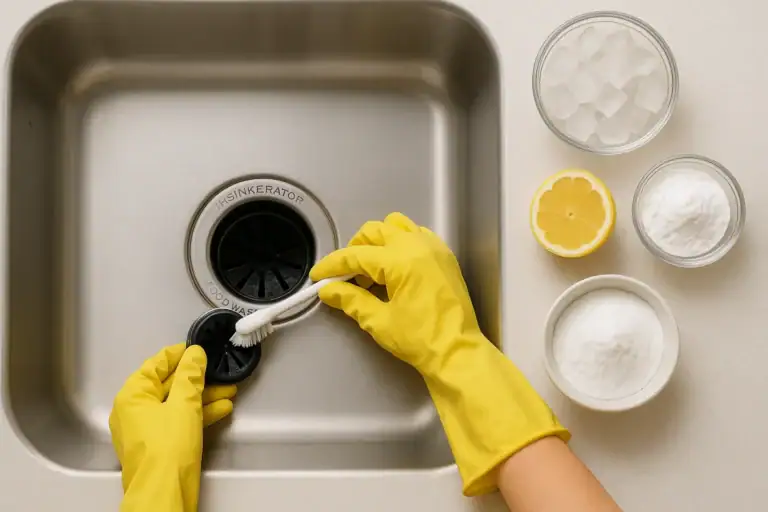 Garbage Disposal Smell Causes and a Simple Cleaning Routine That Works
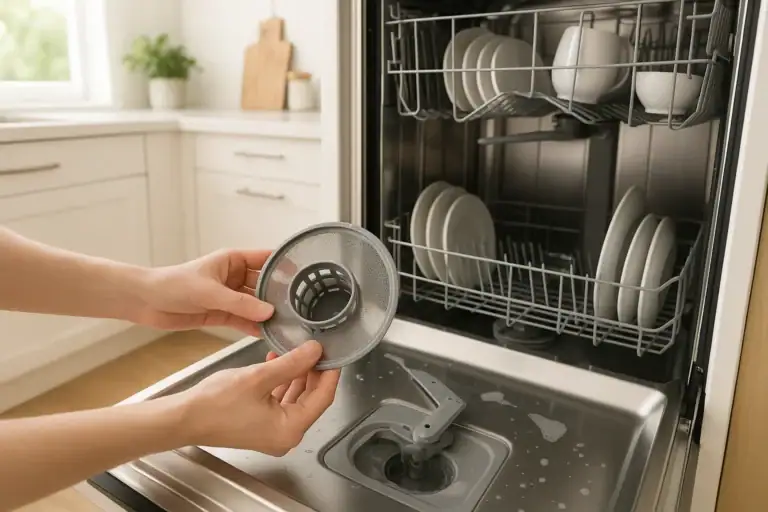 How to Clean a Dishwasher Filter Step by Step for Sparkling Dishes
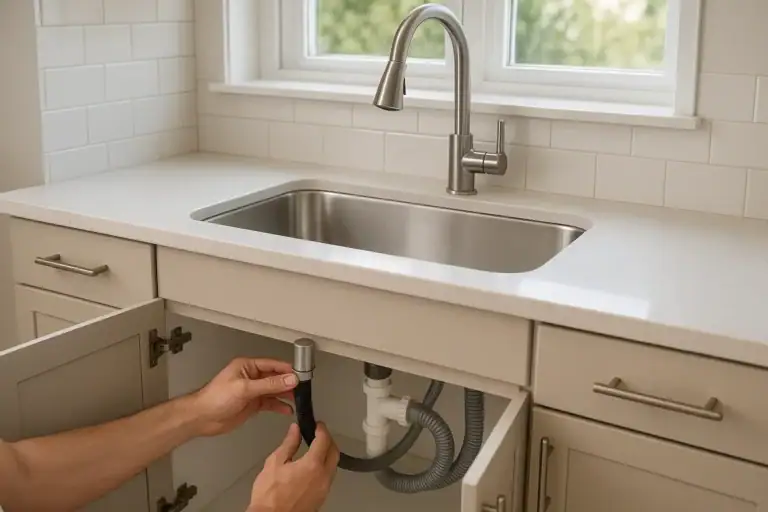 Dishwasher Air Gap Leaking: How to Find and Fix the Cause