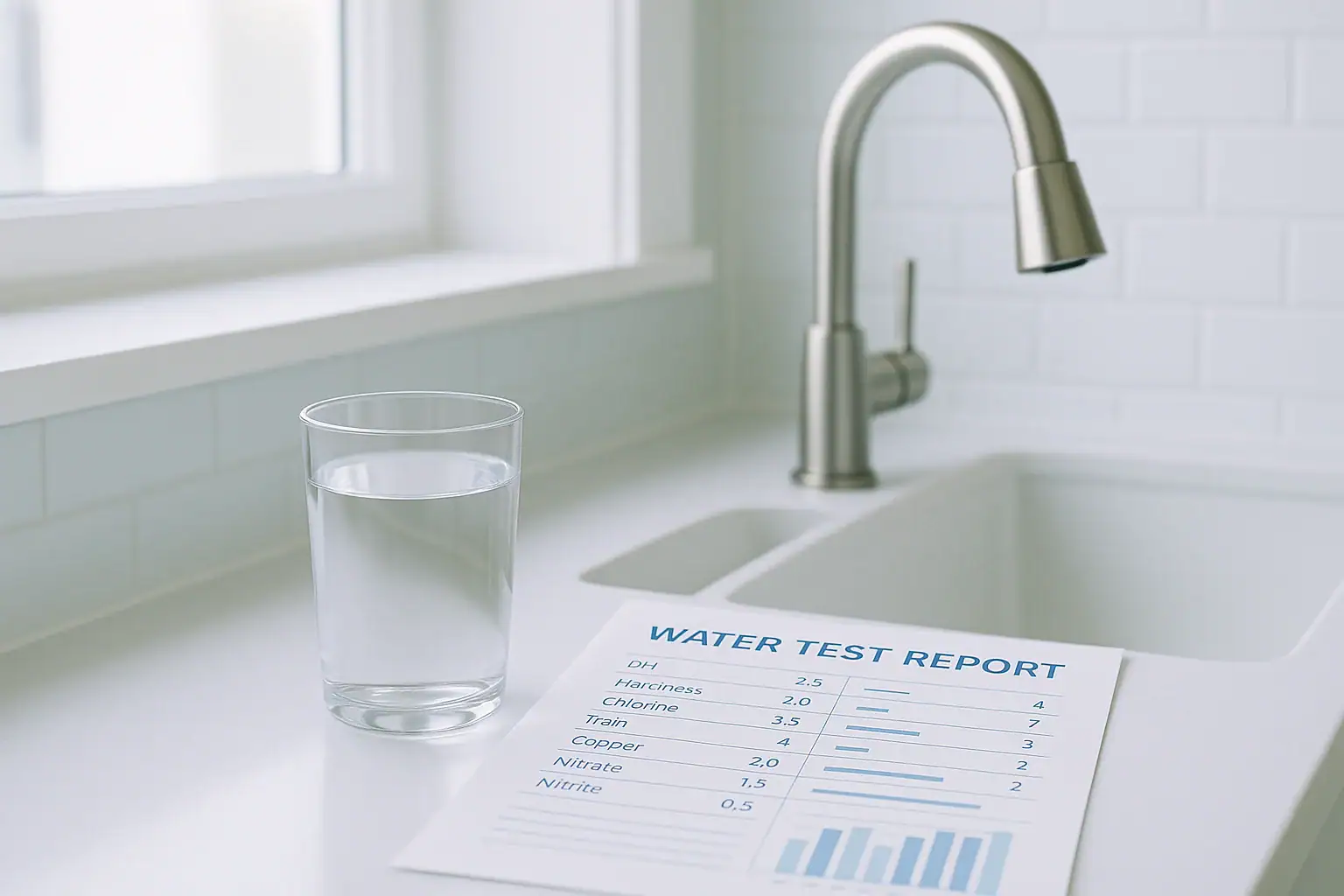
Getting a water test is a smart step for any household, but the report you receive can look confusing at first glance. It may list terms like TDS, hardness, and chlorine along with numbers, units, and ranges. Knowing how to interpret these results helps you decide whether your water is fine as is or if you should consider treatment, plumbing changes, or further testing.
On this page(click to collapse)
- How to Read a Basic Water Test Report
- Understanding Total Dissolved Solids (TDS)
- Understanding Water Hardness
- Understanding Chlorine in Your Water
- Putting TDS, Hardness, and Chlorine Together
- Step-by-Step Checklist for Reading Your Report
- When to Seek Professional Help or Additional Testing
- Key Takeaways for Your Kitchen and Home
- Related guides
This guide walks through the most common items on a simple home water test report for a typical household supply in the United States. You will learn what each measure means, why it matters, and how to compare your results to commonly referenced guideline ranges. You will also see practical examples of what to do if your numbers are too low, too high, or right where they should be.
How to Read a Basic Water Test Report
Most basic water test reports follow a similar layout. Even if the design looks different, the same core information appears in some form. Understanding the structure makes the numbers much easier to interpret.
Typical sections you will see
- Parameter or contaminant name (for example: Total Dissolved Solids, Hardness, Chlorine)
- Result (the measured value from your water sample)
- Units (such as mg/L, ppm, or grains per gallon)
- Guideline or comparison range (often labeled as recommended, typical, or target)
- Flag or note (may indicate low, high, or within range)
Some reports also include a short comment section where the lab or testing service summarizes any concerns and may suggest next steps. Always read that summary, but still review each key parameter yourself so you fully understand what is happening with your water.
Common units on water test reports
Water test results are usually expressed in a few standard units. Knowing what they mean helps you compare your numbers to guideline values.
- mg/L (milligrams per liter) and ppm (parts per million): For most household water tests, these are effectively the same. If your report shows TDS as 300 mg/L, that is roughly 300 ppm.
- gpg (grains per gallon): Often used for hardness. Some reports use mg/L, others use gpg. You can convert by remembering that 1 gpg is about 17.1 mg/L as calcium carbonate.
- pH: A scale from 0 to 14 that measures how acidic or basic the water is. This is unitless, but it is one of the most important context values on a report.
If your report uses different units than the guideline you are reading, check whether the lab included a small conversion chart. Many do. If not, you can still compare by converting mg/L and ppm directly, and by using the 17.1 factor for hardness between mg/L and gpg.
Understanding Total Dissolved Solids (TDS)
Total Dissolved Solids, or TDS, is a broad measure of how much dissolved material is in your water. It does not tell you exactly which minerals or substances are present, but it gives a general sense of how “mineral-rich” or “pure” the water is.
What TDS actually measures
TDS includes dissolved minerals, salts, and some organic matter. Common contributors are calcium, magnesium, sodium, bicarbonates, chlorides, and sulfates. TDS does not directly measure bacteria or most chemicals at very low concentrations, but it can give a clue about overall water quality and taste.
Typical TDS ranges in household water
These ranges are approximate and for general reference only:
- Below 50 ppm: Very low mineral content, often from highly treated or filtered water. Can taste flat or slightly acidic, depending on pH.
- 50–150 ppm: Low to moderate mineral content. Often considered a pleasant range for drinking, with a clean but not flat taste.
- 150–300 ppm: Moderate mineral content. Many households fall in this range. Taste may be slightly mineral but usually acceptable.
- 300–500 ppm: Noticeably mineral-rich. Taste can be strong or salty depending on which minerals are present.
- Above 500 ppm: Often considered high for household use. Taste, scaling, and possible corrosion or staining can become more noticeable.
What high or low TDS means for your home
TDS by itself is not a direct health measure in most cases. It is more about taste, plumbing, and appliance performance.
- Low TDS can mean very pure water, but it may also be more corrosive to metal pipes and fixtures, especially if the pH is low. It can sometimes leach metals from plumbing.
- Moderate TDS is often ideal for daily use. It usually provides a balanced taste and is less likely to cause major scaling or corrosion issues.
- High TDS can contribute to scale buildup in kettles, coffee makers, water heaters, and dishwashers. It may also leave spots on dishes and fixtures and can affect the taste of drinks and cooked food.
How to respond to your TDS result
When you look at your TDS result, ask these questions:
- Is the TDS below about 50 ppm? If yes, check pH and metals such as copper or lead from a more detailed test, especially if you have older plumbing.
- Is the TDS between about 50 and 300 ppm? This is often acceptable. Focus more on hardness, chlorine, and any specific contaminants.
- Is the TDS above about 300–500 ppm? Consider looking at which minerals are contributing to TDS. You may want targeted treatment if you notice taste problems, scale, or staining.
Understanding Water Hardness
Hardness is one of the most important values on a simple water test report. It primarily reflects how much calcium and magnesium are in your water. These minerals are not usually a health concern at typical levels, but they strongly affect your plumbing, appliances, and daily cleaning.
How hardness is reported
Hardness is commonly shown in one of two ways:
- mg/L as CaCO3 (milligrams per liter as calcium carbonate)
- gpg (grains per gallon)
To convert between them, remember:
- 1 gpg ≈ 17.1 mg/L as CaCO3
Common hardness categories
These categories are often used to describe water hardness:
- Soft: 0–60 mg/L (0–3.5 gpg)
- Moderately hard: 61–120 mg/L (3.6–7.0 gpg)
- Hard: 121–180 mg/L (7.1–10.5 gpg)
- Very hard: above 180 mg/L (above 10.5 gpg)
What hardness means for your home
Hardness affects everyday tasks in noticeable ways:
- Soap and detergent use: Hard water makes it harder to create lather. You may need more soap for dishes, laundry, and showers.
- Scale buildup: Hard water leaves mineral deposits on fixtures, shower doors, faucets, and inside appliances like water heaters and dishwashers.
- Water heater efficiency: Scale on heating elements can reduce efficiency and shorten equipment life.
- Skin and hair feel: Some people notice that hard water leaves skin feeling dry or hair feeling dull, while soft water can feel slippery.
How to interpret your hardness result
Use these guidelines when you read the hardness line on your report:
- Soft water: You may see little to no scale. Soap lathers easily. If your water is very soft, especially from a treatment system, you might want to check sodium levels and pH for balance.
- Moderately hard water: Some scale and spotting may occur, but many households can live with it by adjusting cleaning habits and using rinse aids.
- Hard to very hard water: Scale buildup, reduced appliance efficiency, and frequent cleaning of fixtures are common. Many households in this range consider water-softening or other treatment options.
When hardness suggests further action
Consider taking action if:
- Your hardness result is in the hard or very hard range and you see heavy scale on fixtures and inside appliances.
- You are replacing major appliances and want to protect the new equipment from mineral buildup.
- You notice frequent soap scum, dull laundry, or reduced water flow from showerheads and faucets.
Understanding Chlorine in Your Water
Chlorine is commonly used to disinfect public water supplies. It helps control bacteria and other microorganisms. A basic water test report often includes free chlorine, total chlorine, or both.
Types of chlorine measurements
- Free chlorine: The amount of chlorine available to disinfect. This is usually the main value on simple tests.
- Total chlorine: Free chlorine plus combined chlorine (chlorine that has already reacted with substances in the water).
- Combined chlorine: The difference between total and free chlorine. Higher combined chlorine can be a sign that chlorine is reacting with contaminants.
Typical chlorine ranges for household water
For most treated public water supplies, chlorine levels are kept within a narrow range to balance disinfection and taste. Many systems aim for a free chlorine level that is noticeable enough to keep the water safe, but not so high that it causes strong odor or irritation.
What your chlorine result means
When you look at the chlorine line on your report, consider the following:
- Very low or zero chlorine in a public supply sample can sometimes indicate that the disinfectant has dissipated, especially if the sample was taken after long storage or from a rarely used faucet. If you are on a private well, zero chlorine is common unless you are using a disinfection system.
- Moderate chlorine is typical for many public systems. You may notice a faint pool-like smell at the tap, especially after periods of low use, but it often fades quickly.
- High chlorine may cause a strong odor or taste. Some people notice dry skin or eye irritation. If your measured level is higher than the guideline on your report, you may want to contact your water provider or consider point-of-use treatment to reduce chlorine at the tap.
How to respond to your chlorine result
Use these steps to interpret and respond:
- Compare your result to the guideline range listed on your report.
- If your chlorine level is within the suggested range but you dislike the taste or smell, consider using a filter designed to reduce chlorine at the kitchen sink or for drinking water.
- If your chlorine level is well above the suggested range, contact your water provider or a local water professional for guidance and possible retesting.
- If you are on a private well and see unexpected chlorine, review any recent disinfection or shock treatment that may have been done and retest after a settling period.
Putting TDS, Hardness, and Chlorine Together
Looking at each parameter in isolation is helpful, but the real value comes from understanding how TDS, hardness, and chlorine interact and what the combination means for your home.
Example 1: Moderate TDS, hard water, normal chlorine
Imagine your report shows:
- TDS: 250 ppm
- Hardness: 180 mg/L (about 10.5 gpg, very hard)
- Free chlorine: within the guideline range
This pattern suggests that most of your dissolved solids are minerals contributing to hardness. Your main concerns will be scale buildup and cleaning challenges, not chlorine or overall purity. A water-softening approach or scale management may be more useful than focusing on TDS alone.
Example 2: Low TDS, soft water, noticeable chlorine
Now consider a report with:
- TDS: 60 ppm
- Hardness: 40 mg/L (soft)
- Free chlorine: near the upper end of the guideline range
This suggests relatively pure, soft water with a stronger chlorine presence. You may not have scale issues, but you might notice taste or odor from chlorine. A point-of-use filter for drinking and cooking water could improve taste without changing the overall mineral balance.
Example 3: High TDS, moderate hardness, low chlorine
Another scenario might show:
- TDS: 550 ppm
- Hardness: 120 mg/L (moderately hard)
- Free chlorine: low or zero
Here, TDS is high, but hardness is only moderate. This means other dissolved salts or substances are contributing to the TDS level. In this case, a more detailed test could help identify which minerals or compounds are present. Depending on the source, you might focus on taste improvement, corrosion control, or specific contaminant reduction.
Step-by-Step Checklist for Reading Your Report
Use this simple checklist when you sit down with your water test results:
- Find the units for TDS, hardness, and chlorine so you know what you are comparing.
- Compare TDS to the guideline range and note whether it is low, moderate, or high.
- Check hardness and place it into soft, moderately hard, hard, or very hard categories.
- Review chlorine levels and compare them to the recommended range on your report.
- Look for notes or flags on the report that highlight any values outside typical ranges.
- Match your numbers to what you see at home: scale, spots, taste, odor, and how your skin and hair feel after showering.
- Decide whether you need further testing, such as checking for specific metals, bacteria, or other contaminants not covered in the basic report.
- Consider targeted solutions if needed, such as scale control, chlorine reduction, or broader filtration, based on which values are out of balance.
When to Seek Professional Help or Additional Testing
A simple test that covers TDS, hardness, and chlorine is a good starting point, but it does not tell the whole story. There are times when you should consider more detailed analysis.
Situations that may call for more testing
- You are on a private well and have never had a comprehensive water test.
- Your TDS is unusually high or low and does not match what you expect from your area.
- You see staining, unusual odors, or color in your water that the basic test does not explain.
- You live in an older home with aging plumbing and are concerned about metals.
- Anyone in your household has specific health concerns that may be affected by water quality.
How a professional can help
A local water professional or certified laboratory can:
- Interpret your basic test in the context of local water conditions.
- Recommend additional tests that make sense for your situation, rather than testing everything at once.
- Explain treatment options in plain language, including what each option does and does not address.
- Help you balance cost, maintenance, and performance if you decide to install treatment equipment.
Key Takeaways for Your Kitchen and Home
Understanding a simple water test report does not require a technical background. With a few key concepts, you can confidently read your results and make informed decisions.
- TDS gives a big-picture view of how much dissolved material is in your water and can hint at taste, scaling, or corrosion tendencies.
- Hardness directly affects scale buildup, cleaning, and how your skin, hair, and laundry feel.
- Chlorine is mainly about disinfection, taste, and odor. Too little may reduce protection in some systems, while too much can be unpleasant.
- Looking at all three together helps you decide whether you need further testing, treatment, or simply a better understanding of your local water.
- Regular testing and periodic review of your report help you protect your plumbing, appliances, and household comfort over time.
By learning how to interpret TDS, hardness, and chlorine on your water test report, you gain practical control over one of the most important resources in your home: the water you drink, cook with, and use every day.
Recommended next:
Related posts
Browse this topic →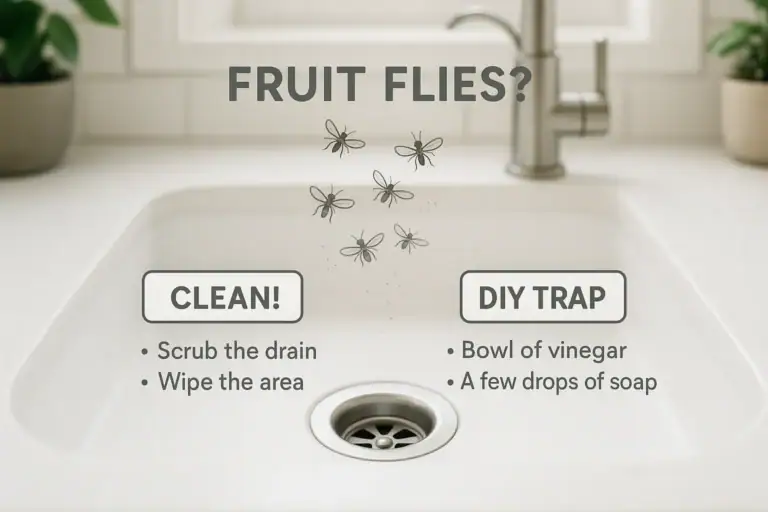
Fruit Flies in Sink Drain: Prevention, Traps, and Troubleshooting Tips
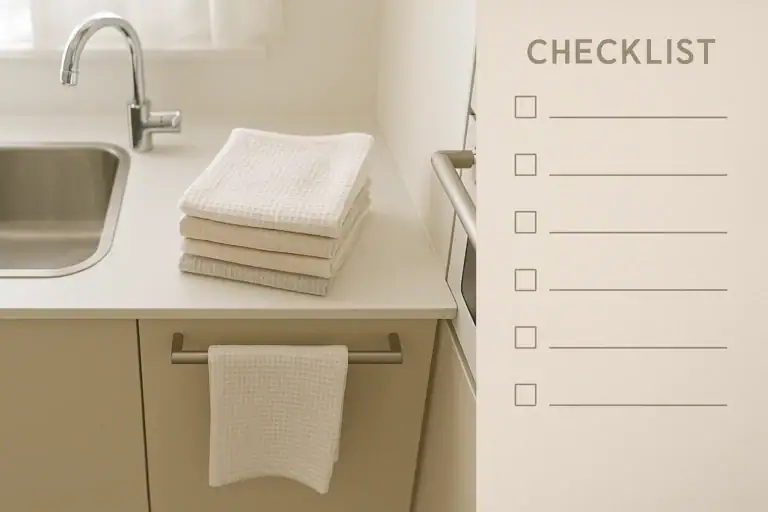
Kitchen Towel Hygiene: A Practical Checklist for Rotation and Washing Habits
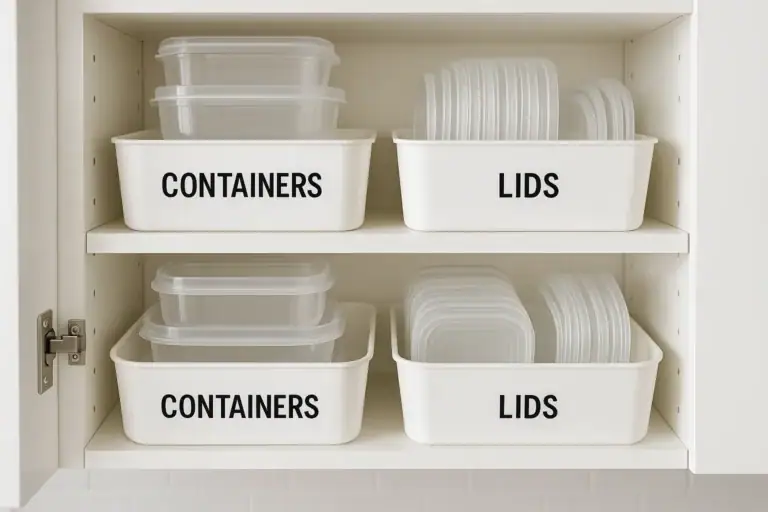
Food Storage Container Organization and Stain Removal Made Simple
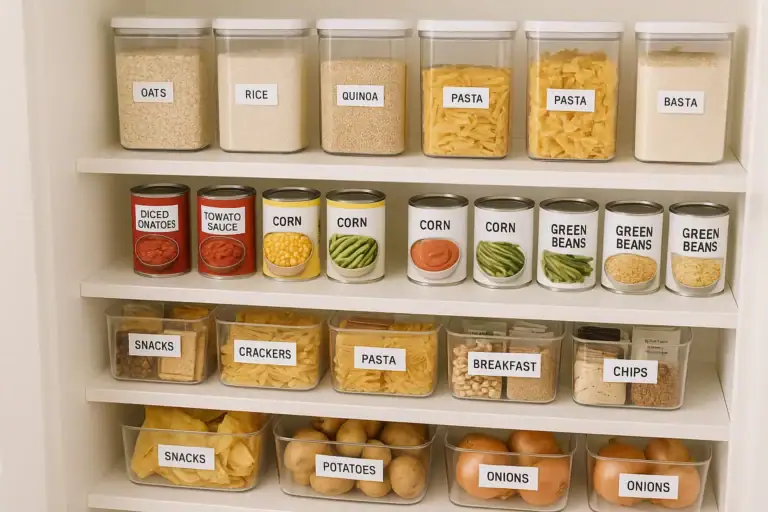
How to Set Up a Pantry Inventory System with FIFO for Busy Kitchens
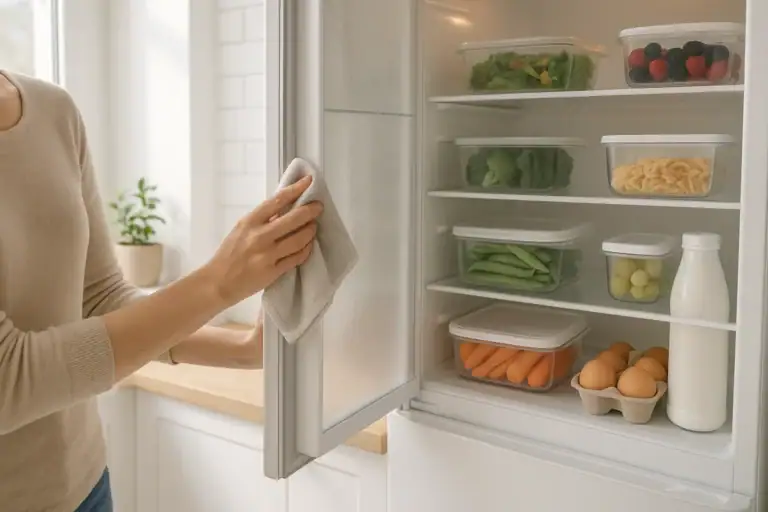
Condensation Inside Your Refrigerator: Causes, Fixes, and Prevention
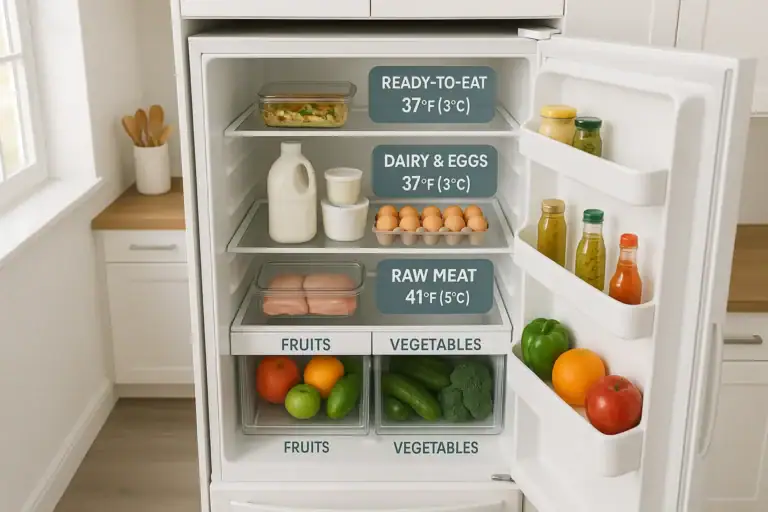
Refrigerator Temperature Zones: A Food Safety Guide for Every Shelf
Keep reading
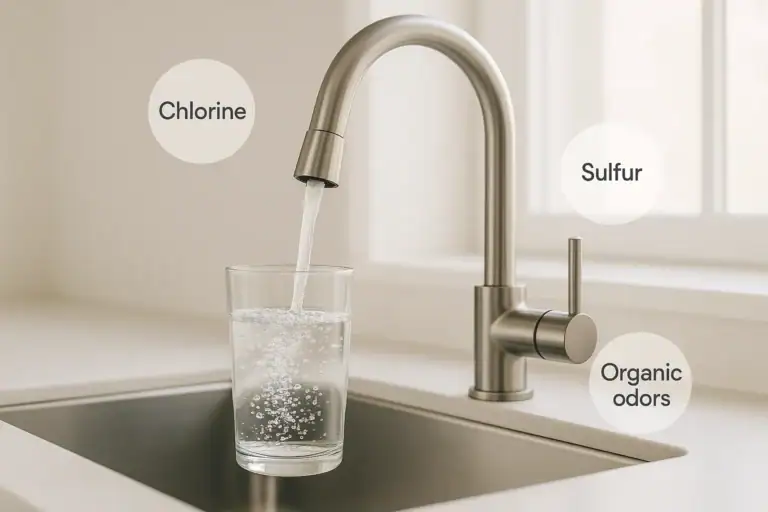
About this site
Signature Home Guide publishes practical, independent home guides. We aim to be clear, helpful, and transparent.
Affiliate disclosure
As an Amazon Associate, we earn from qualifying purchases. Some links on this site may be affiliate links. If you buy through these links, we may earn a small commission at no extra cost to you. This helps support our content. Learn more.