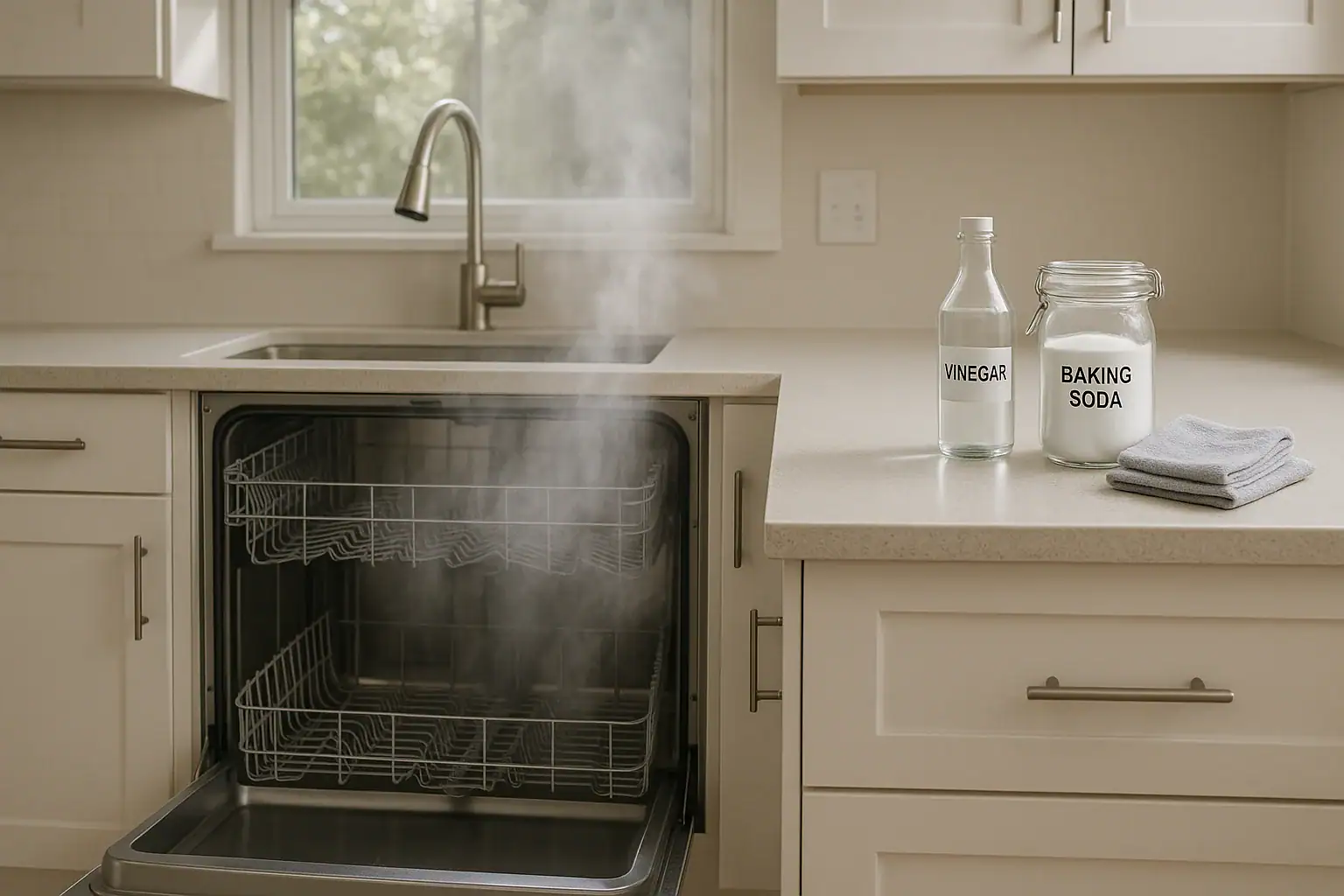
A smelly dishwasher is frustrating, especially when you expect it to clean and sanitize your dishes. Instead of that fresh, neutral scent, you open the door and get hit with odors that smell like rotten food, musty towels, or even sewage. The good news is that most dishwasher smells come from a few common issues that are easy to understand and fix at home. With a little troubleshooting and a simple cleaning routine, you can get rid of the odor and keep it from coming back.
This guide walks you through the main reasons dishwashers start to smell, how to diagnose the source of the odor, and step-by-step methods to clean and deodorize the interior, filter, drain, and spray arms. You will also learn simple habits that prevent buildup, mold, and standing water so your dishwasher stays fresh, efficient, and ready to handle daily loads without leaving a lingering smell in your kitchen.
Why Your Dishwasher Smells: Common Causes
Dishwasher odors almost always come down to trapped food, bacteria, mold, or plumbing issues. Understanding the root cause helps you choose the right fix instead of just masking the smell with fragrances.
1. Trapped Food and Grease Buildup
The most common reason for a bad-smelling dishwasher is old food stuck in hidden areas. Over time, tiny bits of food, grease, and soap scum collect in the filter, drain, and spray arms. As they break down, they release strong odors.
Typical signs include:
- Smell is strongest when you first open the door after a cycle
- Visible gunk around the filter or at the bottom of the tub
- Cloudy film on dishes or glasses
2. Standing Water in the Bottom
If water is pooling in the bottom of your dishwasher after a cycle, it can quickly become stale and smelly. Standing water encourages bacteria growth and can smell like sewage or rotten eggs.
Common causes of standing water include:
- Clogged filter or drain area
- Blocked drain hose
- Issues with the air gap or garbage disposal connection
3. Mold and Mildew Growth
Dishwashers stay warm and damp, which makes them a perfect environment for mold and mildew if they never fully dry out. This often leads to a musty, sour, or “wet towel” smell.
Mold and mildew often grow:
- Along the door gasket and rubber seals
- In corners and seams where water collects
- On the inside of the door and around the detergent dispenser
4. Low-Temperature or Short Cycles Only
Using only quick or low-temperature cycles can leave behind grease and soap film. Over time, this residue traps food particles and bacteria, causing unpleasant smells and reduced cleaning performance.
5. Plumbing or Drainage Issues
Sometimes, the smell is not just from the dishwasher itself but from the plumbing it is connected to. If the drain hose, garbage disposal, or sink drain is clogged, odors can travel back into the dishwasher.
Signs of a plumbing-related odor include:
- Sewage-like or sulfur smell
- Odor coming from both the sink and dishwasher
- Slow-draining sink when the dishwasher runs
How to Diagnose Where the Smell Is Coming From
Before you start deep cleaning, take a few minutes to pinpoint the source of the odor. This helps you focus your efforts and catch any underlying issues.
Step 1: Smell Test with the Door Open
Open the dishwasher door after it has been closed for a few hours. Lean in and notice where the smell is strongest:
- Bottom of the tub: Likely food buildup or standing water
- Around the door gasket: Likely mold or mildew
- From the drain area: Possible clog or plumbing issue
Step 2: Inspect the Filter and Drain
Remove the bottom rack and look for:
- Food particles or sludge on the filter
- Water that is not draining completely
- Debris around the drain opening
Step 3: Check the Door Gasket and Corners
Run your finger along the rubber seal around the door. If you feel slime or see dark spots, you likely have mold or mildew growth contributing to the smell.
Step 4: Consider Recent Changes
Think about what has changed recently:
- Have you been using shorter or cooler cycles more often?
- Did you recently connect a new garbage disposal or move the dishwasher?
- Has the dishwasher sat unused for a long period?
These clues help you decide whether the issue is mainly cleaning-related or plumbing-related.
How to Get Rid of Dishwasher Smells: Step-by-Step
The most effective way to remove odors is to do a thorough cleaning of the interior, filter, spray arms, and drain area. You can use common household products like white vinegar and baking soda for most of this process.
Step 1: Clean the Filter
The filter is the heart of your dishwasher’s cleaning system. When it is clogged, odors build up quickly.
- Turn off and unplug the dishwasher if possible.
- Remove the bottom rack to access the filter.
- Twist or lift out the filter assembly according to your user manual.
- Rinse the filter under warm running water.
- Use a soft brush or old toothbrush with mild dish soap to scrub away grease and debris.
- Rinse thoroughly and reinstall the filter, making sure it is seated properly.
Step 2: Clear the Drain Area
With the filter removed, inspect the drain area for any visible debris.
- Use a paper towel or gloved hand to remove food particles or sludge.
- Check for pieces of broken glass, bones, or other objects that could block water flow.
- If water is standing, gently scoop it out with a cup or towel before cleaning.
Step 3: Clean the Spray Arms
Clogged spray arms can trap food and reduce water pressure, leading to poor cleaning and lingering smells.
- Remove the upper and lower spray arms if your model allows it.
- Rinse them under warm water.
- Use a toothpick or small brush to clear any food particles from the tiny spray holes.
- Rinse again and reinstall the spray arms securely.
Step 4: Scrub the Interior and Door Gasket
Next, clean the surfaces where grease and soap film tend to build up.
- Mix a solution of warm water and a few drops of mild dish soap.
- Wipe the interior walls, racks, and inside of the door with a soft cloth or sponge.
- Pay special attention to corners, seams, and the area around the detergent dispenser.
- Use a soft brush to gently scrub the rubber door gasket, getting into the folds where mold can hide.
- Rinse your cloth and wipe again with clean water to remove soap residue.
Step 5: Run a Vinegar Cleaning Cycle
White vinegar helps dissolve grease, soap scum, and mineral deposits while neutralizing odors.
- Make sure the dishwasher is empty.
- Place a dishwasher-safe cup or bowl filled with 1 to 2 cups of white vinegar on the top rack.
- Run a hot water cycle or a cleaning cycle if your dishwasher has one.
- Let the dishwasher complete the full cycle with the vinegar inside.
Step 6: Follow with a Baking Soda Rinse
Baking soda helps freshen the interior and remove any remaining odors.
- After the vinegar cycle is complete, sprinkle about 1 cup of baking soda across the bottom of the dishwasher.
- Run a short, hot cycle.
- Allow the dishwasher to air dry with the door slightly open when the cycle finishes.
Optional: Deep Clean for Persistent Odors
If the smell is still strong after these steps, you may need a deeper clean.
- Carefully pull the dishwasher out to inspect the drain hose for kinks or clogs.
- Check the air gap (if present) on the sink for blockages and clean it.
- Run hot water in the sink and operate the garbage disposal before starting a dishwasher cycle to clear the shared drain line.
- Consider using a dishwasher-safe cleaning product designed to remove mineral deposits and heavy buildup, following the instructions on the label.
How to Fix Specific Dishwasher Smells
Different odors can point to different problems. Here is how to handle some of the most common smells.
Rotten Food or Sour Smell
This usually means food particles are trapped somewhere inside.
What to do:
- Thoroughly clean the filter, drain, and spray arms.
- Run the vinegar and baking soda cycles described above.
- Start using a hot water cycle at least once a week to flush the system.
Musty or Mildew Smell
A musty odor suggests mold or mildew growth from moisture that never fully dries.
What to do:
- Scrub the door gasket, seals, and corners with warm soapy water.
- After each cycle, leave the door slightly open to allow air circulation.
- Wipe down any visible condensation after heavy use.
Sewage or Rotten Egg Smell
This type of odor often points to a plumbing or drain issue rather than just a dirty interior.
What to do:
- Check the drain hose for kinks or improper installation.
- Run hot water and the garbage disposal before starting the dishwasher.
- Inspect and clean the air gap if your sink has one.
- If the smell persists from both the sink and dishwasher, consider having a plumber check the drain line or venting.
Chemical or Burnt Smell
A chemical or burnt plastic smell can come from items that are not dishwasher-safe or from overheating parts.
What to do:
- Stop the cycle and inspect for plastic items that may have fallen onto the heating element.
- Remove any damaged items and allow the dishwasher to cool.
- Run an empty hot cycle with vinegar to help clear the smell.
- If you notice visible damage to interior parts, contact a qualified technician before using the dishwasher again.
Simple Habits to Prevent Dishwasher Odors
Once your dishwasher smells fresh again, a few easy habits will help keep it that way. Prevention is much easier than dealing with a heavy buildup later.
Rinse or Scrape Dishes Lightly
You do not need to fully wash dishes before loading, but scraping off large chunks of food helps prevent clogs and odors.
- Scrape plates into the trash or disposal.
- Give heavily soiled items a quick rinse.
- Avoid loading items with seeds, bones, or stringy foods that can get stuck.
Run Hot Water Before Starting a Cycle
Turn on the hot water at the kitchen sink for a few seconds before starting the dishwasher. This ensures the dishwasher fills with hot water right away, improving cleaning and reducing residue.
Use a Hot or Heavy Cycle Regularly
Even if you prefer quick or eco cycles most of the time, running a hot or heavy cycle once a week helps flush out grease and buildup.
Clean the Filter Monthly
Make filter cleaning part of your regular kitchen routine.
- Remove and rinse the filter at least once a month.
- If you run multiple loads daily, consider cleaning it more often.
Let the Dishwasher Dry Out
Trapped moisture is a major cause of mold and mildew.
- After a cycle, crack the door open to let steam escape.
- Occasionally wipe the door gasket and bottom edge dry.
- Avoid leaving the door tightly closed for days with dirty dishes inside.
Use the Right Detergent and Amount
Too much detergent can leave a film that traps odors, while too little can lead to poor cleaning.
- Follow the measuring instructions on your detergent.
- Adjust the amount if you have very soft or very hard water.
- Avoid mixing different types of detergent in the same load.
When to Call a Professional
Most dishwasher smells can be handled with cleaning and simple maintenance. However, there are times when it makes sense to bring in a professional.
Consider calling a technician or plumber if:
- There is a strong sewage smell that returns quickly after cleaning.
- You see standing water that will not drain, even after checking the filter and drain area.
- The dishwasher leaks, trips a breaker, or shows error codes along with the odor.
- You suspect a damaged heating element, pump, or internal hose.
A professional can check for hidden leaks, blocked drain lines, or mechanical failures that are not visible from the interior of the appliance.
Keep Your Dishwasher and Kitchen Smelling Fresh
A smelly dishwasher is usually a sign that it needs a little attention, not that it needs to be replaced. By understanding what causes the odor, cleaning the key components, and building a simple monthly routine, you can keep your dishwasher running efficiently and smelling clean.
Focus on these basics: clean the filter regularly, use hot water cycles, scrape off heavy food, and let the interior dry between uses. With these habits in place, your dishwasher can go back to doing its job quietly in the background, leaving your dishes sparkling and your kitchen free from unwanted smells.
 Garbage Disposal Smell Causes and a Simple Cleaning Routine That Works
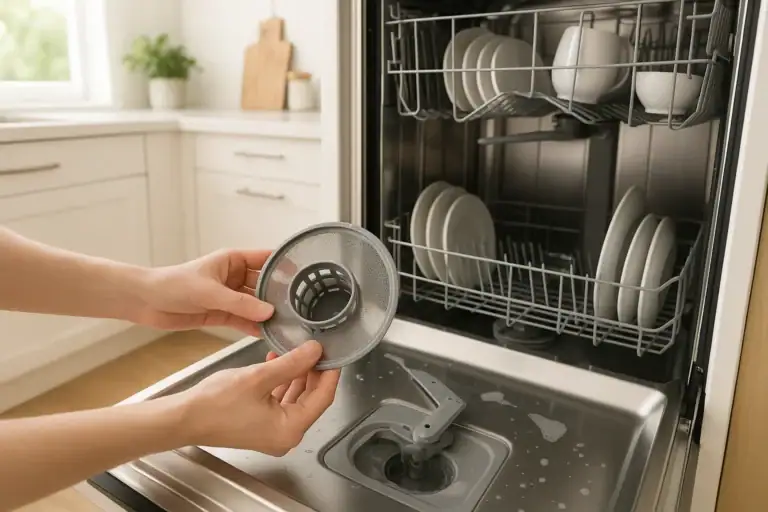 How to Clean a Dishwasher Filter Step by Step for Sparkling Dishes
 Coffee Maker Descaling Schedule for Better Taste: A Simple Checklist