
The bedroom should be a place where your body rests and recovers, not a space that triggers sneezing, congestion, or itchy eyes. Because you spend so many hours sleeping, even small amounts of dust, dander, or mold can add up to big discomfort. The good news is that you can turn your bedroom into a lower-allergen zone with a few practical changes. You do not need a full remodel or expensive gadgets. A focused checklist for bedding, air quality, and humidity control can make a noticeable difference in how you sleep and how you feel in the morning.
This guide walks you through simple, realistic steps to allergy-proof your bedroom. You will learn how to choose and care for bedding, reduce dust and dander, improve air circulation and filtration, and keep humidity in a healthy range. Use it as a room-by-room checklist or tackle one section per week. Over time, these small changes can help reduce nighttime symptoms and support easier breathing and better rest.
Step 1: Clear the Clutter and Identify Allergy Hot Spots
Before you dive into bedding and air filters, it helps to see where allergens collect. Dust, pet dander, and mold spores tend to build up on soft surfaces and in low-traffic corners. A quick walkthrough will show you what needs attention first.
Common Bedroom Allergen Sources
- Bedding and pillows: Dust mites thrive in warm, humid, fabric-filled spaces.
- Soft furnishings: Curtains, upholstered chairs, and fabric headboards hold dust and dander.
- Carpet and rugs: Fibers trap fine particles that are hard to remove completely.
- Stuffed toys and extra pillows: Extra fabric items collect dust but are rarely washed.
- Closets and under-bed storage: Boxes, shoes, and stored clothing gather dust over time.
- Windows and sills: Moisture can encourage mold, especially in humid climates.
Walk through the room and make a quick list of soft items and dusty corners. This becomes your personal allergy-proofing checklist so you can work methodically instead of feeling overwhelmed.
Step 2: Bedding Checklist for Fewer Allergens
Bedding is the heart of allergy-proofing because it is in direct contact with your skin and close to your nose and mouth all night. The goal is to reduce dust mites, limit trapped moisture, and make everything easy to wash regularly.
Mattress and Pillow Protection
Start with barriers that keep dust mites and skin flakes from building up deep inside your mattress and pillows.
- Use tightly woven, zippered covers on the mattress and box spring.
- Cover all pillows with zippered, protective encasements under the pillowcases.
- Choose covers labeled as breathable so you stay comfortable while you sleep.
- Inspect covers a few times a year for rips or broken zippers and replace as needed.
Choosing Allergy-Friendly Pillows and Comforters
The filling inside pillows and comforters can affect how easily they trap dust and how simple they are to clean.
- Pick pillows and comforters that are machine washable and can tolerate hot water when needed.
- Consider synthetic fill or other washable materials if traditional fills bother your allergies.
- Use fewer decorative pillows on the bed to reduce surfaces that collect dust.
- Replace pillows every 1 to 2 years or sooner if they become lumpy, stained, or hard to clean.
Sheets, Blankets, and Bed Covers
Regular washing is more important than any special label. Aim to create a routine you can stick with.
- Wash sheets and pillowcases once a week in hot water when the fabric allows.
- Wash blankets and duvet covers every 1 to 2 weeks, or more often during high-allergy seasons.
- Choose smooth, tightly woven fabrics that release dust more easily in the wash.
- Avoid heavy, textured bedspreads that are difficult to launder frequently.
Laundry Habits That Support Allergy Control
How you wash and dry bedding matters as much as how often you do it.
- Use the warmest water temperature that is safe for the fabric.
- Dry bedding completely to prevent lingering moisture and mildew.
- Clean the lint trap before each drying cycle to improve airflow and reduce particles.
- Store extra bedding in sealed containers or bags instead of open shelves.
Step 3: Reduce Dust and Dander Throughout the Room
Even if your bedding is well protected, dust and dander from the rest of the room can still find their way to your breathing zone. A few targeted cleaning habits can help keep levels lower without requiring constant deep cleaning.
Flooring and Rugs
Flooring is a major reservoir for dust and pet dander. What you do here can make a noticeable difference.
- If possible, use hard flooring with washable area rugs instead of wall-to-wall carpet.
- Vacuum carpets and rugs at least once a week using a vacuum with strong filtration.
- Wash small rugs regularly in hot water if the care label allows.
- Avoid high-pile or shag rugs in the bedroom if allergies are a concern.
Furniture, Curtains, and Surfaces
Soft surfaces and horizontal ledges collect dust quickly. Simplifying these areas makes cleaning faster and more effective.
- Choose simple window treatments that are easy to remove and wash.
- Dust furniture and shelves weekly with a damp cloth or microfiber cloth.
- Limit knickknacks and open storage that gather dust on nightstands and dressers.
- Consider a headboard made of wood, metal, or another wipeable surface instead of heavy upholstery.
Pet Policies in the Bedroom
For many people, pet dander is a major trigger. The bedroom is the one space where boundaries can have a big payoff.
- Ideally, keep pets out of the bedroom, especially off the bed.
- If that is not realistic, use a washable cover on the bed and launder it frequently.
- Brush and bathe pets regularly according to guidance from a veterinary professional.
- Vacuum floors and pet beds often to reduce dander buildup.
Step 4: Improve Bedroom Air Quality
Even with careful cleaning, tiny particles remain in the air. Improving airflow and filtration can help reduce what you breathe in while you sleep.
Ventilation and Fresh Air
Good ventilation helps dilute indoor pollutants and moisture. The right approach depends on your climate and outdoor air quality.
- Open windows when outdoor pollen and pollution levels are low and weather permits.
- Use bathroom fans and kitchen exhaust fans to reduce moisture and fumes that can drift into bedrooms.
- Avoid smoking or burning candles and incense indoors, especially near the bedroom.
- Keep bedroom doors slightly open to allow air circulation through the home.
Air Filtration Options
Filtration can capture fine particles that regular cleaning misses. There are a few paths you can take.
- If your home has central heating or cooling, use high-quality filters and change them on schedule.
- Consider a portable air cleaner sized for your bedroom and run it regularly.
- Place portable units away from walls and large furniture so air can circulate freely.
- Keep windows and doors closed while using air conditioning or portable filtration to maintain efficiency.
Everyday Habits That Keep Air Cleaner
Small daily choices can prevent new irritants from entering the room.
- Avoid storing strong cleaners, paints, or fragrances in the bedroom.
- Change clothes worn outdoors before getting into bed, especially during high pollen seasons.
- Place laundry hampers with lids outside the bedroom if possible.
- Wipe down ceiling fan blades regularly so they do not spread dust when running.
Step 5: Humidity Control Checklist
Humidity plays a major role in allergy control. Too much moisture encourages mold and dust mites. Too little can irritate your nose and throat. The goal is a balanced range that supports comfortable breathing.
Know Your Bedroom Humidity Level
Instead of guessing, use a simple tool to track humidity so you can adjust as needed.
- Use a small humidity gauge in the bedroom to monitor moisture levels.
- Aim for a range around 30 to 50 percent, depending on your comfort and climate.
- Check readings at different times of day, especially overnight and early morning.
Lowering Humidity When It Is Too High
High humidity can fuel mold growth and help dust mites thrive. If your readings are often high, focus on reducing moisture.
- Run a dehumidifier in the bedroom or nearby areas during humid seasons.
- Fix window leaks, roof leaks, or plumbing issues that introduce moisture.
- Keep bedroom doors open to allow moist air to disperse through the home.
- Avoid drying wet towels or clothes in the bedroom.
Raising Humidity When It Is Too Low
Very dry air can dry out nasal passages and make them more sensitive to allergens.
- If you use a humidifier, follow cleaning instructions carefully to prevent mold or bacteria buildup.
- Use distilled or filtered water in humidifiers when possible.
- Run the humidifier only as needed to reach a comfortable range, not constantly.
- Stop using the humidifier and clean it thoroughly if you see any visible film or residue.
Preventing Mold in the Bedroom
Mold spores can trigger symptoms even when they are not visible. Prevention is easier than removal.
- Check windows, corners, and closets for signs of condensation or dampness.
- Move furniture a few inches away from exterior walls to allow air to circulate.
- Use washable, breathable materials for closet storage instead of tightly packed plastic bags.
- Address any musty odors promptly by finding and fixing the source of moisture.
Step 6: Create a Simple Weekly and Seasonal Routine
Allergy-proofing works best when it becomes a routine rather than a one-time project. A basic schedule keeps the bedroom under control without taking over your life.
Weekly Bedroom Allergy Checklist
- Wash sheets and pillowcases.
- Wipe nightstands and frequently touched surfaces.
- Vacuum floors and rugs thoroughly.
- Empty trash and remove laundry from the room.
- Do a quick scan for clutter that collects dust and put items away.
Monthly and Seasonal Tasks
- Wash mattress and pillow encasements according to care instructions.
- Wash curtains or window coverings, or vacuum them with an upholstery attachment.
- Rotate and flip the mattress if recommended by the manufacturer.
- Clean ceiling fan blades, vents, and air returns.
- Replace or clean air filters as needed.
- Check humidity readings and adjust dehumidifiers or humidifiers.
Putting It All Together: Your Bedroom Allergy-Proofing Plan
Transforming your bedroom into a lower-allergen space does not have to happen all at once. Start with the steps that are easiest for you or that match your biggest concerns. For many people, that means protecting the mattress and pillows, washing bedding weekly, and improving vacuuming habits. Once those are in place, you can focus on air filtration, humidity control, and reducing clutter that gathers dust.
Use this checklist as a guide and adapt it to your home, climate, and lifestyle. Over time, these small changes can add up to a bedroom that supports clearer breathing, fewer nighttime symptoms, and more restful sleep. If you have ongoing or severe allergy concerns, consider discussing your plan with a healthcare professional who can help you tailor these steps to your specific needs.
For more ways to create a comfortable, healthy home environment, explore additional air and comfort resources at Signature Home Guide.
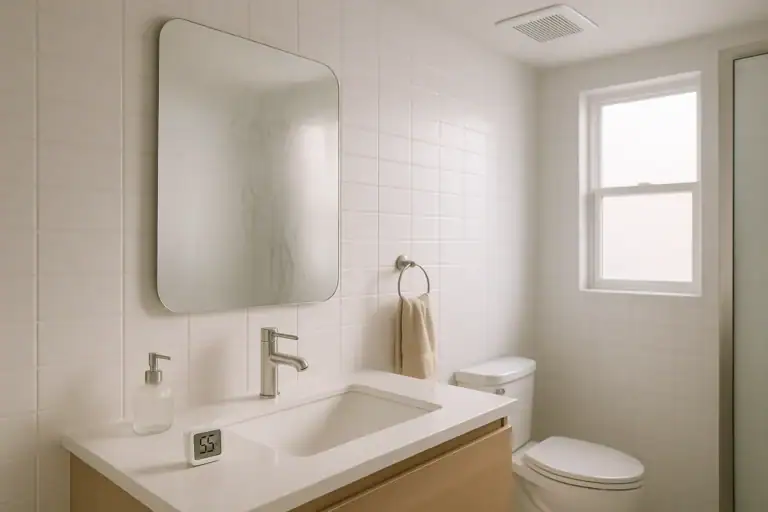 Bathroom Humidity After a Shower: What Is Normal and What Actually Helps
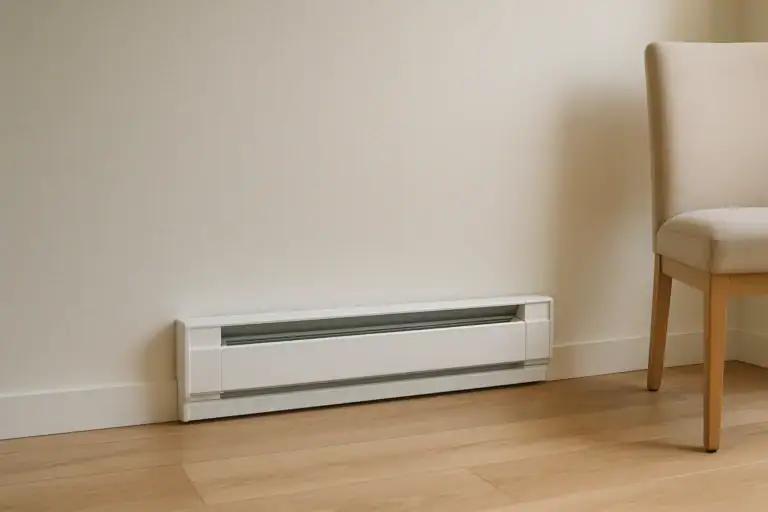 Why Your Baseboard Heater Smells Like Burning Dust
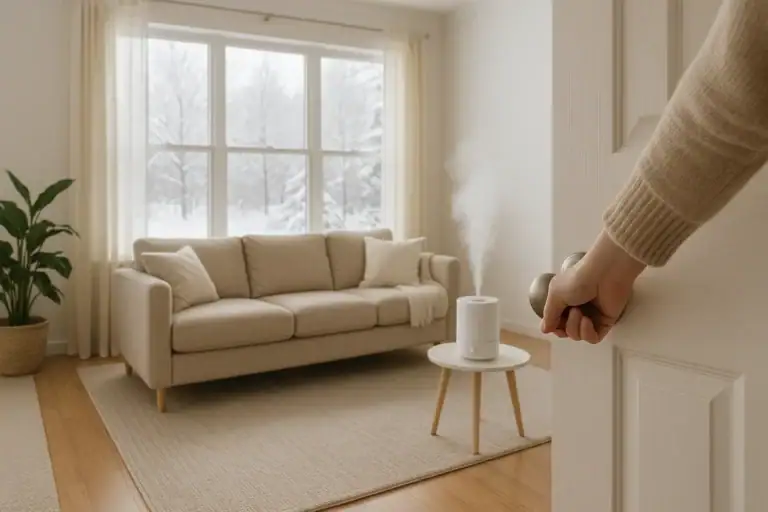 Static Electricity in Winter: Humidity Fixes and Home Troubleshooting Guide