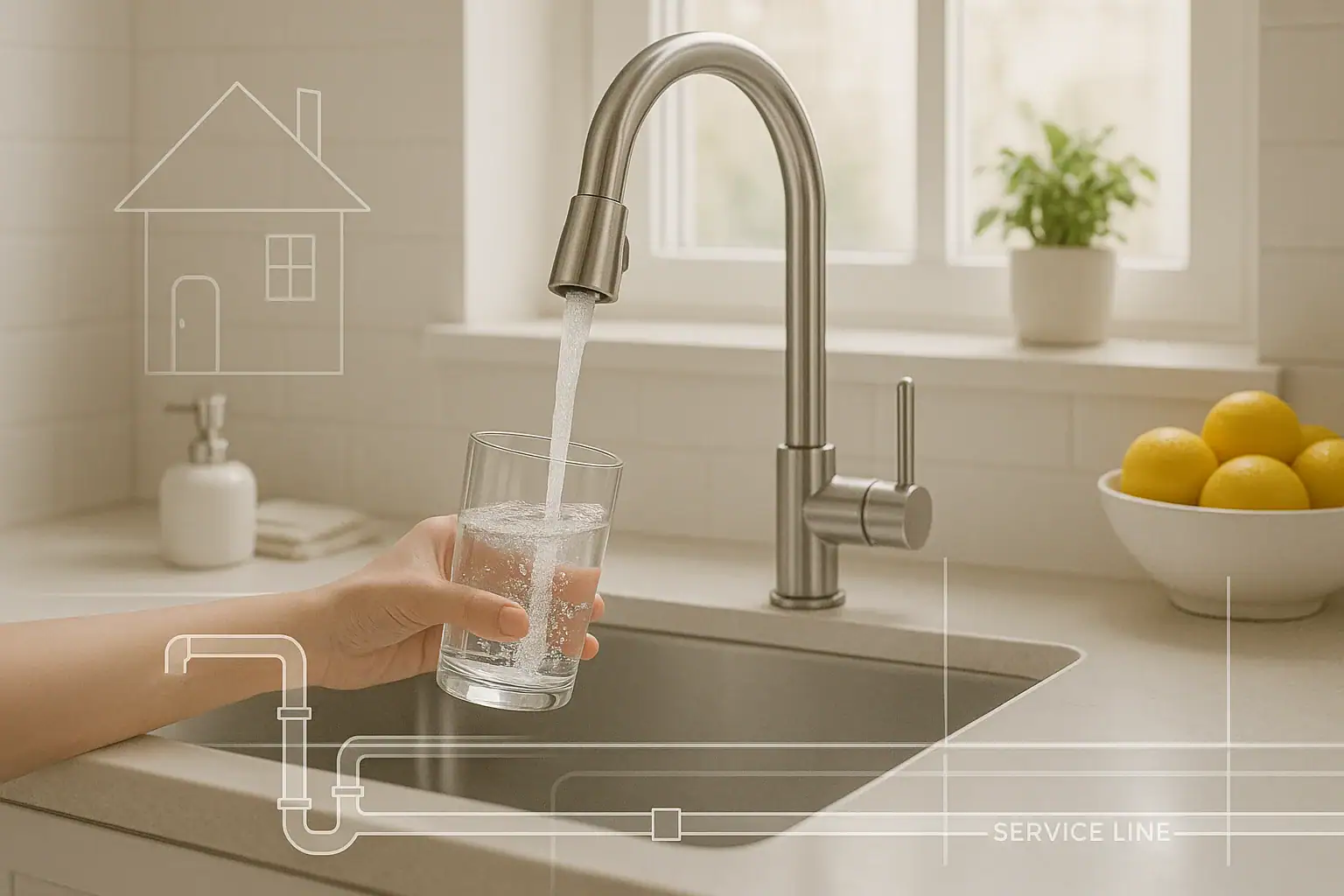
Lead in drinking water is a concern for many households, especially in older homes and neighborhoods with aging infrastructure. Even low levels of lead can be harmful over time, particularly for children and pregnant people. The good news is that most homes can significantly reduce exposure with a clear understanding of where lead comes from and some practical, affordable steps. This guide walks through how lead gets into tap water, how to tell if your home might be at risk, and what you can do in the kitchen and around the house to help keep your family safer.
Why Lead in Drinking Water Matters
Lead is a toxic metal that can build up in the body over time. It has no safe level in drinking water, especially for young children. While public water systems are regulated, the plumbing on your property can still introduce lead into water by the time it reaches your kitchen faucet.
Key reasons to take lead in water seriously include:
- Children are especially vulnerable: Lead can affect brain development, behavior, and learning.
- Pregnant people and infants are at higher risk: Lead can cross the placenta and can be passed to infants through formula made with contaminated water.
- Exposure adds up: Even small daily amounts can accumulate in the body over months and years.
- Water is easy to overlook: Many people focus on paint or soil and do not realize their tap water may also be a source.
How Lead Gets Into Drinking Water
Lead usually does not come from the water source itself. Instead, it leaches into water as it travels through plumbing that contains lead. The amount of lead that ends up in your glass depends on pipe materials, water chemistry, and how long water sits in the pipes.
Lead Service Lines
A service line is the pipe that connects the public water main in the street to your home. In many older neighborhoods, these pipes were once made of lead. If your home has a lead service line, it is one of the most significant potential sources of lead in your tap water.
Signs you may have or be near a lead service line include:
- Your home was built before the mid-1980s.
- Neighbors have been told they have lead service lines.
- Your water provider has sent notices about lead pipe replacement.
Lead in Home Plumbing and Fixtures
Even if the service line is not made of lead, parts of your home plumbing may contain it. Common sources include:
- Lead solder: Used to join copper pipes, especially in homes built before 1988.
- Brass faucets and valves: Older fixtures can contain lead that may leach into water, particularly hot water.
- Flexible connectors and fittings: Some older connectors may contain lead or leaded brass.
Water Chemistry and Stagnation
Even when lead is present in plumbing, it does not always leach into water at the same rate. Several factors influence how much lead dissolves:
- Corrosive water: Water that is more acidic or has low mineral content can dissolve lead more easily.
- Stagnant water: Water that sits in pipes for several hours, such as overnight or during the workday, can pick up more lead.
- Disruptions to pipes: Construction, repairs, or pipe replacements can disturb protective layers inside pipes and temporarily increase lead levels.
Health Effects of Lead in Drinking Water
Lead affects different people in different ways, but no amount is considered completely safe. Drinking water is usually not the only source of lead exposure, yet it can contribute significantly over time.
Risks for Children
Children absorb lead more easily than adults and are still developing. Potential effects of lead exposure in children include:
- Lower IQ and learning difficulties
- Attention and behavior problems
- Delayed growth and development
- Hearing and speech problems
Risks for Pregnant People and Infants
Lead can cross the placenta and affect a developing baby. It can also be present in water used to mix infant formula. Potential effects include:
- Higher risk of pregnancy complications
- Reduced fetal growth
- Potential impacts on the baby’s nervous system
Risks for Adults
Adults are less sensitive than children but can still experience health impacts from long-term lead exposure, including:
- Increased blood pressure
- Kidney problems
- Nerve and memory issues
- Reproductive issues
How to Tell If Your Drinking Water Might Contain Lead
You cannot see, taste, or smell lead in water. The only way to know your home’s situation is to look at plumbing materials and test your water.
Check Your Home’s Age and Plumbing
Start by gathering some basic information about your home and water service:
- Year built: Homes built before 1988 are more likely to have lead solder or other leaded components.
- Service line material: Ask your water provider if they have records of your service line, or check where the line enters your home if it is safely accessible.
- Visible pipes: Look at exposed pipes in basements, crawl spaces, or utility rooms to see if they are copper, galvanized steel, plastic, or possibly lead.
Ask Your Water Provider for Information
Public water systems are required to share information about lead testing and pipe materials. You can usually find this on their website or by calling customer service. Ask:
- Whether your neighborhood has lead service lines
- Recent lead testing results for the system
- Any ongoing or planned pipe replacement programs
Test Your Tap Water
Laboratory testing is the most reliable way to know if your tap water contains lead. Options include:
- State or local health departments: Some offer free or low-cost lead testing kits.
- Certified laboratories: You can order a kit, collect water samples from your tap, and mail them in for analysis.
Follow the instructions carefully. Many tests require a “first-draw” sample, taken from the tap after water has been sitting in the pipes for several hours, and sometimes a “flushed” sample taken after running the water.
Practical Steps to Reduce Lead in Your Drinking Water
If you are concerned about lead in your tap water, there are several practical steps you can take right away, along with longer-term solutions to consider.
Use Cold Water for Drinking and Cooking
Hot water dissolves lead more easily than cold water. To reduce exposure:
- Use only cold tap water for drinking, cooking, and making baby formula.
- If you need hot water, heat cold tap water on the stove or in an electric kettle.
Flush Your Pipes Before Use
Water that has been sitting in pipes for several hours can accumulate more lead. You can reduce this by flushing:
- Run the cold water for 1–2 minutes, or until it feels noticeably colder.
- Take a shower, run the dishwasher, or do laundry first to help move water through the system.
- After flushing, fill containers for drinking and cooking.
Flushing is especially helpful first thing in the morning or when you return home after being away.
Use Certified Water Filters
A properly chosen and maintained filter can significantly reduce lead in drinking water. When selecting a filter:
- Look for filters that state they are certified for lead reduction.
- Choose a format that fits your household, such as a pitcher, faucet-mounted filter, under-sink system, or whole-house system.
- Follow the manufacturer’s instructions for installation and filter replacement.
Filters only work if cartridges are replaced on schedule. Set reminders on your phone or calendar so you do not forget.
Consider Point-of-Use vs. Whole-House Filtration
Lead exposure from water is usually highest from what you drink and cook with, not from bathing or cleaning. For many households, point-of-use filters are sufficient:
- Point-of-use filters: Installed at a single tap, such as the kitchen sink, or used in pitchers. These are often more affordable and easier to maintain.
- Whole-house systems: Treat all water entering the home. These may be helpful if you have additional water quality concerns but are usually more expensive.
Use Safe Water for Infant Formula
Infants who drink formula mixed with tap water can receive a large share of their daily water intake from that source. To reduce risk:
- Use filtered water that is certified for lead reduction, or
- Use bottled water that meets drinking water standards, especially if you know or suspect your tap water contains lead.
- Discuss concerns with your pediatrician if you have questions about water safety for your baby.
Long-Term Solutions: Reducing Lead at the Source
Short-term steps like flushing and filtering are helpful, but long-term solutions focus on removing lead from your plumbing system whenever possible.
Replacing Lead Service Lines
If your home has a lead service line, replacing it is one of the most effective ways to reduce lead in your water. Steps to consider:
- Contact your water provider to confirm whether your service line is lead.
- Ask if there are programs or financial assistance to help with replacement.
- Plan for full replacement of the line from the street to your home, not just partial sections.
Upgrading Indoor Plumbing and Fixtures
Inside your home, you may be able to reduce lead by updating certain components over time:
- Replace older faucets and fixtures with newer, low-lead options.
- Work with a licensed plumber if you plan to replace sections of pipe or repair soldered joints.
- Keep records of any plumbing upgrades for future reference or when selling your home.
Coordinate With Local Programs
Many communities are gradually replacing lead service lines and offering support to homeowners. Stay informed by:
- Reading notices from your water provider about lead testing and pipe replacement.
- Visiting your city or county website for information about water infrastructure projects.
- Attending community meetings or contacting local officials if you have concerns.
Everyday Kitchen Habits to Lower Lead Exposure
Your daily routines in the kitchen can make a meaningful difference, especially when combined with other mitigation steps.
- Designate a safe tap: If you have one tap with a filter certified for lead reduction, use that tap for all drinking and cooking water.
- Fill and store safely: After flushing and filtering, fill clean glass or food-grade plastic containers and store them in the refrigerator.
- Rinse produce with filtered water: When practical, rinse fruits and vegetables with filtered or flushed cold water.
- Stay consistent: Make using cold, filtered water a habit for coffee, tea, soups, and grains.
When to Seek Professional or Medical Advice
If your water tests show elevated lead levels, or if you suspect long-term exposure, additional steps may be appropriate.
- Talk to your health care provider: Ask whether blood lead testing is appropriate for you or your children.
- Consult your pediatrician: Children living in older homes or areas with known lead issues may need periodic testing.
- Work with a licensed plumber: For pipe assessments, fixture replacement, or service line questions, a professional can provide guidance specific to your home.
Key Takeaways for Safer Drinking Water at Home
Managing lead in drinking water can feel overwhelming at first, but focusing on a few clear steps can make it manageable:
- Find out your home’s risk by checking plumbing materials and testing your water.
- Use cold water for drinking and cooking, and flush pipes after long periods of non-use.
- Install and maintain a filter certified for lead reduction at the tap you use most.
- Use filtered or alternative water for infant formula and young children when needed.
- Plan for long-term solutions, such as replacing lead service lines and older fixtures.
By combining simple daily habits with informed decisions about your plumbing and filtration, you can greatly reduce lead exposure from drinking water and support a healthier home.
For more guidance on creating a safer, more comfortable home, explore additional resources in the water and kitchen section at Signature Home Guide.
 Microwave Sparking Inside: Safe Checks and Next Steps
 How to Fix a Leaking Faucet-Mount Water Filter
 Troubleshooting Water Hammer After a Dishwasher or Washer Cycle