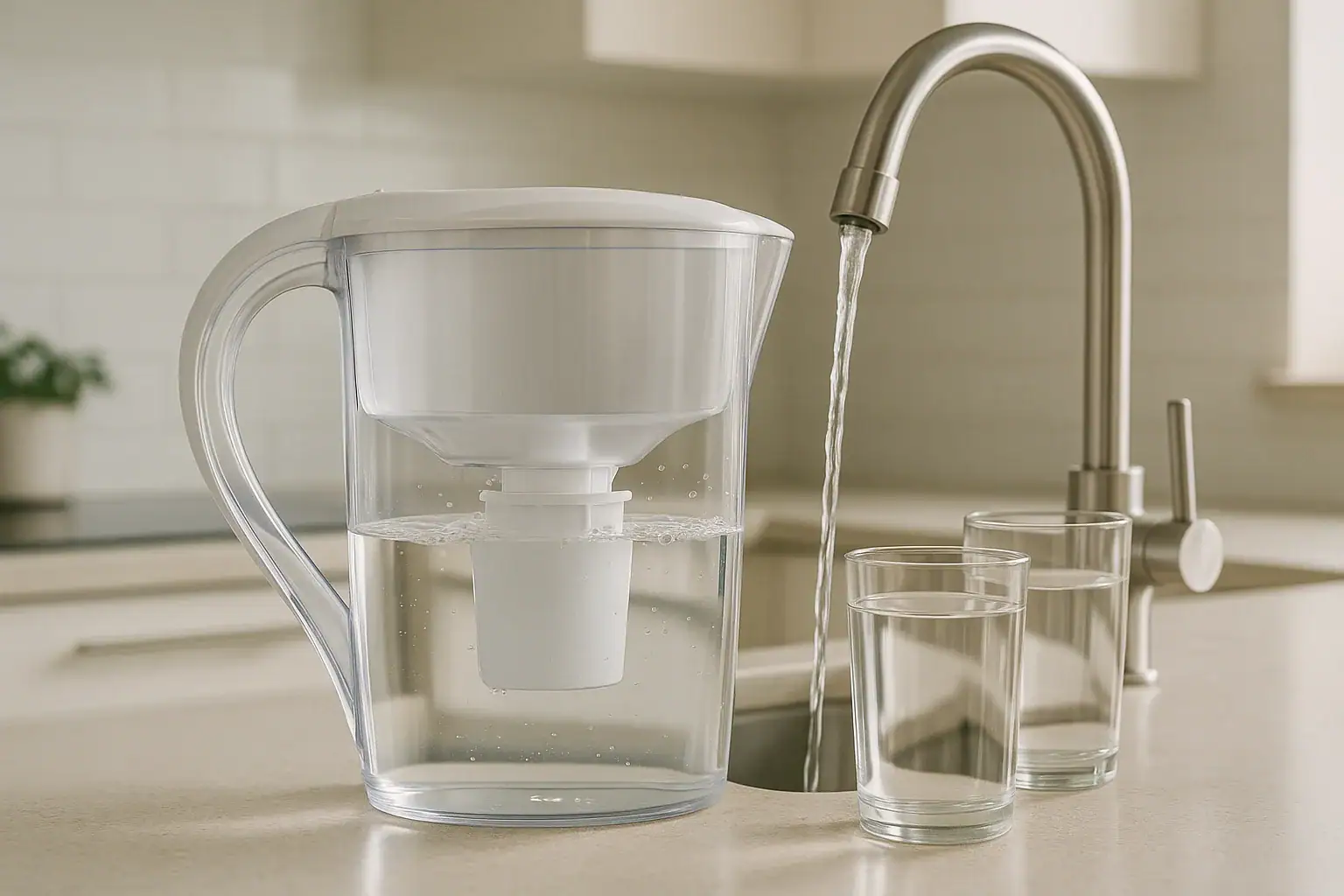
If your tap water smells like a swimming pool or has a flat, metallic taste, a water filter pitcher can make a big difference. These simple countertop filters are one of the easiest and most affordable ways to improve the taste and smell of your drinking water, especially when chlorine is the main culprit. But not every pitcher is equally effective, and the “best” choice depends on what matters most to you: taste, chlorine removal, speed, capacity, or long‑term cost.
This guide walks you through how water filter pitchers work, which features actually matter for taste and chlorine reduction, and how to choose the best water filter pitcher for your home, family size, and budget. You will also learn how to read performance claims, what certifications to look for, and how to maintain your pitcher so it keeps working at its best.
How Chlorine Affects the Taste and Smell of Tap Water
Chlorine is widely used by municipal water systems to disinfect drinking water and kill harmful microorganisms. While it is effective for safety, it can leave behind an unpleasant taste and odor that many people describe as chemical, medicinal, or like a swimming pool.
Even when chlorine levels are well within legal safety limits, sensitive drinkers can notice:
- A sharp or bitter aftertaste
- A bleach‑like smell, especially in hot beverages
- Flat‑tasting water that makes coffee and tea less enjoyable
- Stronger odors when water sits in a glass or pitcher
A good water filter pitcher is designed to reduce free chlorine and related compounds, improving both taste and smell without requiring any plumbing changes.
How Water Filter Pitchers Work
Most water filter pitchers use gravity to pull tap water through a replaceable filter cartridge. As water moves through the filter media, contaminants are physically trapped or chemically adsorbed, leaving cleaner, better‑tasting water in the bottom reservoir.
Main filter technologies used for taste and chlorine
- Activated carbon: The most common technology in pitchers. It uses highly porous carbon to adsorb chlorine, some organic chemicals, and many compounds that affect taste and odor.
- Carbon block: A denser, compressed form of activated carbon that can provide more consistent contact time and often better reduction of chlorine and some other contaminants.
- Ion exchange resins: Sometimes combined with carbon to reduce certain metals and hardness minerals that can affect taste and staining.
- Multi‑stage filters: Some pitchers use layered media, such as sediment screens, carbon, and resins to target a broader range of impurities.
For taste and chlorine removal specifically, activated carbon or carbon block is the key technology to look for. Other stages can be helpful, but they are secondary if your main concern is flavor and odor.
Key Features to Look For in the Best Water Filter Pitcher for Taste and Chlorine
When your priority is better‑tasting water and effective chlorine reduction, focus on the following features before you buy.
1. Proven chlorine reduction performance
Not all pitchers are equally effective at removing chlorine. To find a pitcher that truly improves taste, check for:
- Independent testing or certification: Look for claims that the filter has been tested to reduce chlorine taste and odor. Certification by recognized third‑party organizations is a strong indicator of reliable performance.
- Specific reduction claims: Phrases like “reduces chlorine taste and odor” are more meaningful than vague terms like “improves taste.”
- Filter life at stated performance: Some filters reduce chlorine well at the beginning but lose effectiveness quickly. Look for a realistic filter life in gallons or weeks.
2. Filter type and media quality
For taste and chlorine, prioritize pitchers that clearly state use of high‑quality activated carbon or carbon block. Helpful details include:
- Use of coconut shell or other high‑grade carbon sources
- Multi‑stage designs that include a sediment pre‑filter to protect the carbon
- Fine mesh screens that help reduce particles that can cloud water
3. Capacity and size for your household
Capacity affects how often you need to refill and how practical the pitcher is for daily use:
- Small pitchers (5–7 cups): Good for individuals, small fridges, or occasional use.
- Medium pitchers (8–10 cups): A solid choice for couples or small families who drink water regularly.
- Large pitchers and dispensers (10+ cups or 1+ gallons): Ideal for families, home offices, or anyone who wants filtered water available all day.
Remember that the total volume includes both the upper (unfiltered) reservoir and the lower (filtered) section. The amount of ready‑to‑drink water is usually less than the total stated capacity.
4. Filtration speed and flow rate
Some filters work more slowly because they provide longer contact time with the media, which can improve chlorine reduction. Others prioritize speed. Consider:
- If you are impatient or have a busy household, a faster filter may be more practical.
- If maximum taste improvement is your top goal, a slightly slower filter with better contact time can be worth the wait.
- Check user feedback or product details for typical fill times for a full reservoir.
5. Filter life and replacement cost
The long‑term cost of a pitcher is mostly in replacement filters. To estimate value, look at:
- Filter life in gallons or months: Common ranges are 40–120 gallons or about 2–6 months per filter, depending on use and water quality.
- Cost per gallon: Divide the filter price by the rated gallons to compare different options.
- Ease of finding replacements: Make sure replacement filters are easy to order when you need them.
6. Pitcher design and usability
A pitcher that is awkward to hold or hard to refill will end up unused. Design details to consider include:
- Comfortable handle: Especially important for larger, heavier pitchers.
- Easy‑fill lid: Flip‑top or sliding openings let you refill without removing the entire lid.
- Spill‑resistant spout: Helps prevent drips when pouring.
- Fridge compatibility: Check dimensions to ensure it fits your refrigerator shelves or door.
7. Filter change indicator
Replacing filters on time is critical for taste and chlorine reduction. Many pitchers include:
- Manual date dials: You set the month or week when you install a new filter.
- Mechanical countdown timers: Simple timers that remind you when it is time to replace.
- Electronic indicators: Battery‑powered or sensor‑based indicators that track time or usage.
An indicator is not absolutely required, but it significantly reduces the chance of forgetting a filter change.
Choosing the Best Water Filter Pitcher for Your Needs
The best water filter pitcher for taste and chlorine removal depends on your water quality, household size, and preferences. Use the scenarios below to narrow down your options.
Best for maximizing taste improvement
If taste is your number one concern and you are willing to wait a little longer for filtration:
- Look for a pitcher with a high‑capacity carbon or carbon block filter.
- Choose models that emphasize chlorine taste and odor reduction in their performance claims.
- Accept a slightly slower flow rate in exchange for better contact time with the filter media.
- Consider multi‑stage filters that also reduce organic compounds and sediments that can affect flavor.
Best for strong chlorine odor in city water
If your municipal water has a noticeable pool‑like smell:
- Prioritize pitchers with clear independent testing for chlorine reduction.
- Choose filters with frequent replacement intervals if your chlorine levels are high, as they may exhaust faster.
- Use cold water for filling, as hot water can carry more chlorine smell and is not recommended for most filter pitchers.
Best for families and high‑volume use
For households that go through several pitchers of water a day:
- Pick a large‑capacity pitcher or a countertop dispenser with at least 10 cups or 1 gallon of filtered water.
- Look for longer‑life filters to reduce how often you need to change them.
- Make sure the pitcher is easy to lift when full and fits a convenient spot in your fridge.
- Consider a design that allows pouring while water is still filtering into the reservoir.
Best for small kitchens and limited fridge space
If space is tight, a compact pitcher may be the best fit:
- Choose a slim profile that fits in the refrigerator door.
- Accept a smaller capacity and refill more often to save space.
- Look for lightweight designs with ergonomic handles for easy one‑hand pouring.
Best for budget‑conscious buyers
To keep costs down without sacrificing taste:
- Compare cost per gallon of different replacement filters, not just the upfront pitcher price.
- Choose a design that uses widely available filters to avoid premium pricing.
- Use the filter change indicator as a guide, but also pay attention to taste; replace sooner if flavor declines.
Understanding Certifications and Performance Claims
Many water filter pitchers list certifications or testing claims on their packaging. Knowing how to interpret them helps you choose a model that truly addresses taste and chlorine.
What certifications can tell you
Independent certifications typically indicate that a product has been tested to meet specific standards for contaminant reduction, structural integrity, and material safety. For chlorine and taste, pay attention to:
- Claims that the filter reduces chlorine taste and odor to a specified level
- Testing conditions, such as chlorine concentration and water temperature
- Rated capacity at which the filter still meets the reduction standard
Common marketing phrases and what they mean
- “Improves taste and odor”: A general claim that may or may not specifically target chlorine.
- “Reduces chlorine taste and odor”: More specific and typically supported by testing.
- “Multi‑stage filtration”: Indicates more than one type of media, but details matter more than the phrase itself.
- “Long‑life filter”: Can be helpful, but verify that performance is maintained over the stated life.
How to Get the Best Taste from Your Water Filter Pitcher
Even the best water filter pitcher for taste and chlorine will not perform well if it is not set up and maintained properly. Follow these tips to get consistently good‑tasting water.
1. Properly flush and soak new filters
Most new filters require a rinse or soak before first use. This step:
- Removes loose carbon fines that can make water look gray or cloudy at first
- Helps activate the filter media for better performance
- Prevents initial off‑tastes from manufacturing residues
Always follow the manufacturer’s instructions for soaking or flushing new cartridges.
2. Use cold tap water only
Filter pitchers are designed for cold water. Hot water can damage the filter media and housing, reduce effectiveness, and release contaminants trapped in the filter. Fill your pitcher with cold tap water and let it chill in the refrigerator for the best taste.
3. Replace filters on schedule
Overused filters lose their ability to reduce chlorine and other compounds that affect taste. Signs that it is time to replace your filter include:
- Return of chlorine smell or chemical taste
- Slower flow rate that does not improve after gentle shaking or tapping
- Cloudy water or visible particles
Use the filter change indicator as a guideline, but trust your senses as well. If the water does not taste right, replace the filter even if the indicator is not yet due.
4. Clean the pitcher regularly
To keep your water fresh:
- Wash the pitcher, lid, and reservoir with mild dish soap and warm water every 1–2 weeks.
- Rinse thoroughly to remove all soap residue.
- Do not use harsh cleaners or abrasive pads that can damage the plastic.
- Allow parts to air dry fully before reassembling when possible.
5. Store filtered water properly
For the best taste and safety:
- Keep the pitcher refrigerated rather than at room temperature.
- Avoid leaving filtered water unused for many days; refill and drink regularly.
- Do not place the pitcher in direct sunlight, which can promote algae or microbial growth.
When a Water Filter Pitcher Is Not Enough
Water filter pitchers are excellent for improving taste and reducing chlorine, but they have limits. Consider additional treatment options if:
- Your water has serious issues such as high levels of certain metals, nitrates, or other regulated contaminants.
- You rely on a private well and do not have recent water quality testing.
- You need filtered water at multiple faucets or for cooking, bathing, and laundry.
In these cases, you may want to explore under‑sink filters, whole‑house systems, or professional water testing to identify the best solution. A pitcher can still be useful as a final polishing filter for drinking water, but it should not replace appropriate treatment for significant contamination.
Simple Steps to Choose Your Best Water Filter Pitcher
If you are ready to pick a pitcher, use this quick checklist:
- Identify your main goal: Better taste, chlorine odor reduction, capacity, or cost savings.
- Check your water source: Municipal or well, and whether you notice strong chlorine smell.
- Decide on capacity: Small, medium, or large based on how much water you drink daily.
- Review filter performance: Look for clear claims about chlorine taste and odor reduction.
- Compare long‑term costs: Calculate approximate cost per gallon of replacement filters.
- Consider convenience: Filter speed, handle comfort, lid design, and filter change indicator.
- Plan for maintenance: Make sure you are comfortable with cleaning and filter replacement schedules.
By focusing on these points, you can confidently choose the best water filter pitcher for taste and chlorine removal in your home and enjoy cleaner, fresher‑tasting water every day.
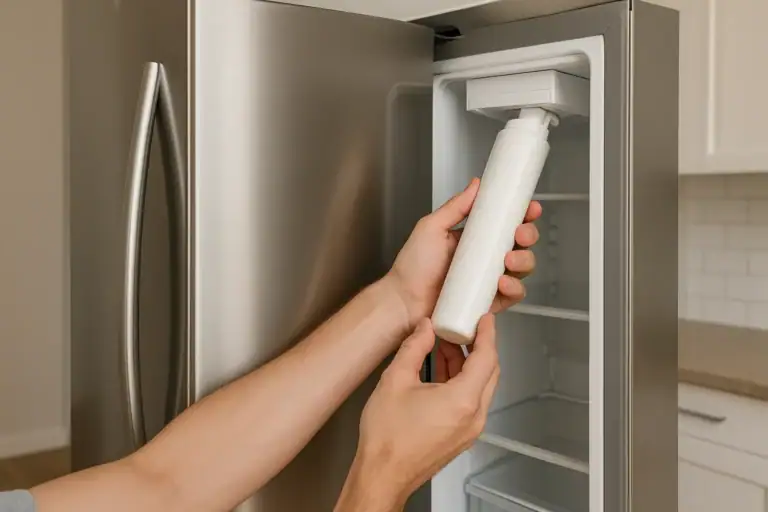 How to Safely Remove a Stuck Refrigerator Water Filter
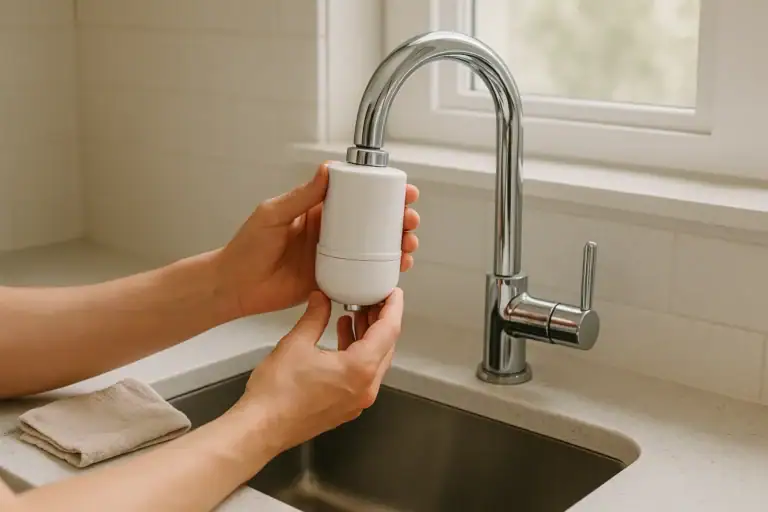 How to Fix a Leaking Faucet-Mount Water Filter
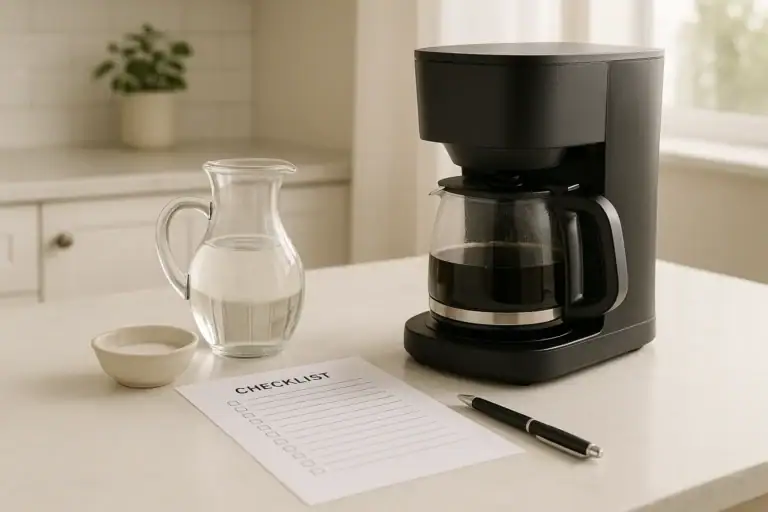 Coffee Maker Descaling Schedule for Better Taste: A Simple Checklist