Microplastics have gone from a scientific curiosity to a common concern for many households. These tiny plastic particles, often invisible to the naked eye, are now found in oceans, rivers, lakes, and even in tap and bottled water. While research is still developing, many people want to understand what microplastics are, what the current science suggests about potential health impacts, and what practical steps can be taken at home to reduce exposure. This guide explains the basics of microplastics in water, where they come from, what is known so far about health risks, and which filtration options are most promising for everyday use in the kitchen. You will also find tips for reducing plastic in your daily routine to support a cleaner home water supply over time.
What Are Microplastics and Nanoplastics?
Microplastics are small plastic particles usually defined as less than 5 millimeters in size. They can be visible, like tiny beads or fibers, or so small that they can only be seen under a microscope. Even smaller particles, often called nanoplastics, are measured in billionths of a meter and can behave differently in water and the body.
These particles can be either:
- Primary microplastics: Manufactured at a small size, such as microbeads that were once used in personal care products or tiny pellets used in plastic production.
- Secondary microplastics: Formed when larger plastic items break down over time due to sunlight, heat, and mechanical wear.
In drinking water, microplastics may appear as tiny fragments, fibers from clothing, or particles shed from food and beverage packaging. Because they are so small and varied, measuring and studying them is technically challenging, which is one reason the science is still evolving.
How Microplastics Get Into Drinking Water
Microplastics can enter the drinking water supply at many points, from the natural environment to household plumbing and kitchen habits. Understanding these sources can help you choose the most effective strategies to reduce exposure.
Environmental Sources
Many particles originate outdoors and eventually make their way into water supplies:
- Breakdown of litter and packaging: Bags, bottles, and other items break into smaller pieces in rivers, lakes, and reservoirs.
- Wear from synthetic textiles: Washing synthetic clothing releases fibers that can pass through wastewater systems and into surface waters.
- Runoff from roads and tires: Vehicle tires and road markings shed particles that are washed into storm drains and waterways.
- Industrial and agricultural activities: Certain industrial processes and the use of plastic-containing materials outdoors can contribute to microplastic pollution.
Water Treatment and Distribution
Municipal treatment plants are designed to remove many contaminants, and they can capture a portion of microplastics. However, they are not specifically optimized for the smallest particles. Microplastics can enter or persist in the system through:
- Incomplete removal at treatment plants, especially for very small particles and fibers.
- Leaching and abrasion from plastic pipes, fittings, and storage tanks used in distribution systems.
- Contamination during storage in household tanks or cisterns that are not regularly cleaned or maintained.
Household and Kitchen Sources
Even if your incoming water is relatively low in microplastics, particles can be introduced or added in the home:
- Plastic water pitchers and dispensers that scratch or wear over time.
- Single-use bottles that can shed particles when exposed to heat or repeated use.
- Plastic kettles, coffee makers, and food containers used with hot water.
- Plastic plumbing components under sinks or connecting filtration systems.
Reducing plastic contact with drinking water in the kitchen is a practical way to limit additional microplastic exposure.
What We Know About Health Concerns
Research on microplastics and health is still in early stages. Many studies have focused on where microplastics are found in the environment and how they move through water systems. Fewer studies have examined long-term health effects in people, so there is still uncertainty.
Potential Pathways in the Body
When microplastics are ingested in food or water, most larger particles are likely to pass through the digestive system and be excreted. Smaller particles, especially at the nano scale, may interact more closely with the gut lining. Laboratory studies have suggested several possible concerns:
- Physical irritation of tissues due to the presence of foreign particles.
- Chemical exposure from additives used in plastics, such as plasticizers and stabilizers.
- Transport of other contaminants, because some microplastics can carry metals or organic pollutants on their surfaces.
- Immune and inflammatory responses, observed in some animal and cell studies.
Current Scientific Understanding
At this time, there is no broad scientific agreement on specific health outcomes in people directly caused by microplastics in drinking water. Key points from current research include:
- Microplastics are widely detected in drinking water, but measured levels vary greatly from one source to another.
- Most existing studies are experimental or based on animals, with limited direct evidence in humans.
- Researchers are concerned about long-term, low-level exposure, especially to very small particles and associated chemicals.
- Regulatory standards for microplastics in drinking water are still being developed in many regions.
Because the science is still developing, many households choose to take precautionary steps to reduce exposure, especially when practical filtration options are available.
How Well Do Common Filters Remove Microplastics?
Different filtration technologies vary in their ability to remove microplastics from water. The key factor is the size of the particles and the pore size or mechanism of the filter. No home system is perfect, but several options can significantly reduce microplastic levels.
Basic Sediment and Carbon Filters
Many common under-sink and pitcher filters use sediment cartridges and activated carbon. These can help with taste, odor, and some chemical contaminants, and they may remove some of the larger microplastic particles.
- Sediment filters: Often rated in microns (for example, 5 microns or 1 micron). They trap particles larger than their rating, so they can capture larger fragments and fibers.
- Activated carbon filters: Primarily designed to adsorb chlorine and organic compounds. They may trap some particles through physical filtration and adsorption, but they are not specifically rated for microplastics.
These filters are a useful starting point, especially when combined with finer filtration stages, but they are not the most robust option for very small particles.
Microfiltration and Ultrafiltration
Microfiltration and ultrafiltration systems use membranes with much smaller pore sizes than typical sediment filters.
- Microfiltration: Pore sizes are often in the range of 0.1 to 10 microns. These systems can remove many bacteria and a significant portion of microplastics, especially larger and medium-sized particles.
- Ultrafiltration: Pore sizes are typically between about 0.01 and 0.1 microns. These can remove most bacteria, some viruses, and a wide range of microplastics, including many smaller particles.
Because microplastics cover a wide size range, these membrane systems can be effective at reducing the overall load, particularly when used as part of a multi-stage system.
Reverse Osmosis Systems
Reverse osmosis systems push water through a semi-permeable membrane that blocks many dissolved salts and contaminants. The membrane pores are extremely small compared with most microplastics.
As a result, reverse osmosis systems are generally considered one of the most effective home options for reducing microplastics, including many very small particles. They are often installed under the sink and may include pre-filters and post-filters to protect the membrane and improve taste.
However, they also produce a stream of wastewater and can reduce water pressure at the dedicated faucet. Regular maintenance is important to keep performance consistent.
Whole-House vs. Point-of-Use Filtration
When focusing on microplastics in drinking and cooking water, it is helpful to understand the difference between whole-house and point-of-use systems:
- Whole-house systems treat all water entering the home. They can reduce sediment and larger particles, which may help protect plumbing and appliances. However, they are less likely to use very fine membranes that significantly reduce the smallest microplastics.
- Point-of-use systems treat water at a specific location, such as the kitchen sink or a dedicated drinking water tap. These are better suited for fine filtration technologies like reverse osmosis or ultrafiltration.
For most households, a point-of-use system in the kitchen is the most practical and efficient way to target microplastics in water used for drinking, ice, and cooking.
Choosing a Home Filtration Setup for Microplastics
When selecting a filtration system with microplastics in mind, consider both the level of protection you want and how the system will fit into your daily routine. The best system is one you can maintain properly and use consistently.
Key Features to Look For
As you compare options, pay attention to these factors:
- Filter rating: Look for micron ratings or membrane types. Smaller pore sizes generally remove smaller particles.
- Multi-stage design: Systems that combine sediment, carbon, and membrane filtration can address both particles and taste.
- Certified performance claims: Check for independent testing or certifications for particle removal where available.
- Maintenance schedule: Filters and membranes must be replaced on time to maintain effectiveness.
- Flow rate and convenience: Ensure the system can supply enough water for your household’s drinking and cooking needs.
Example Home Setups
Here are a few common approaches to improving kitchen water quality with microplastics in mind:
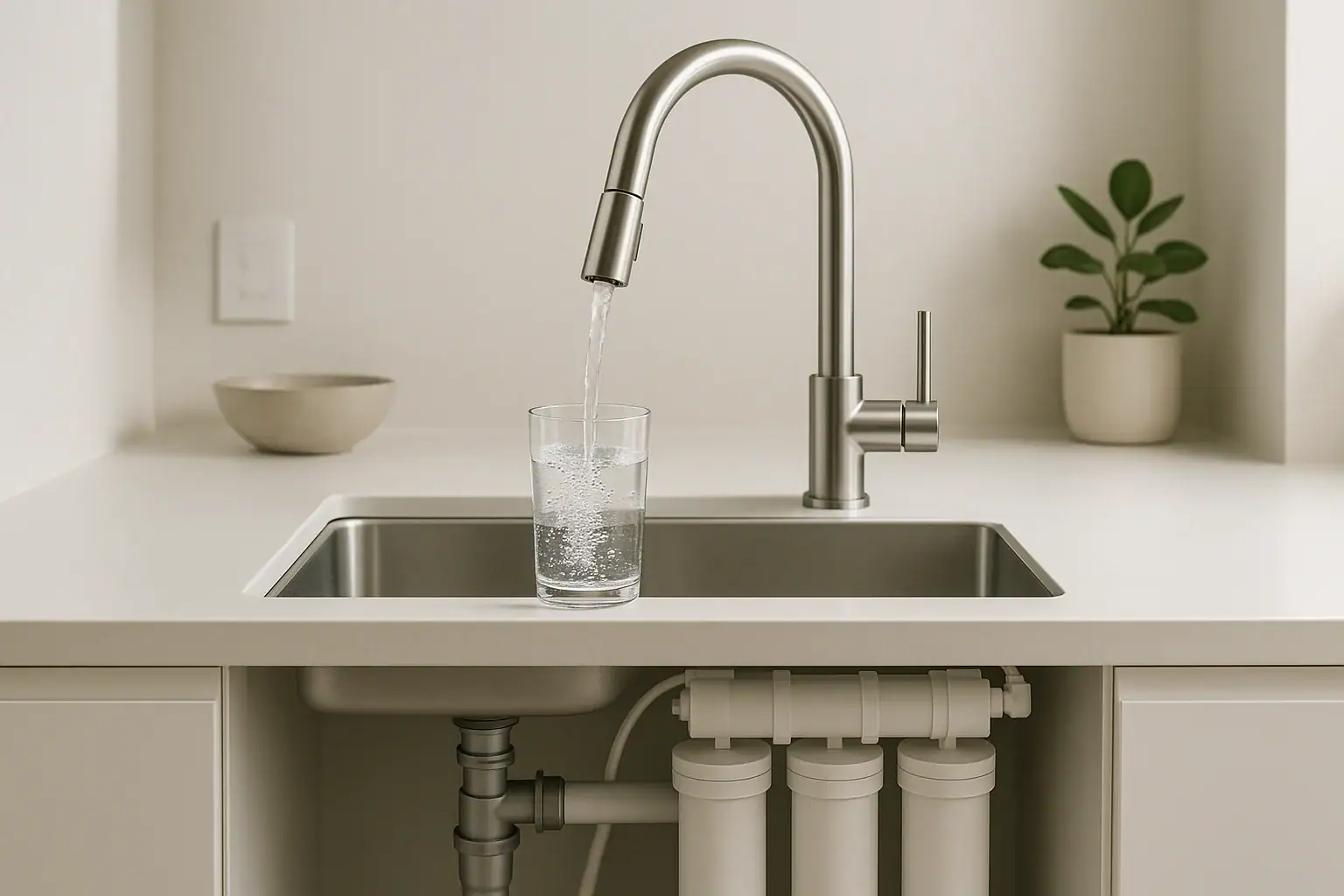
- Under-sink reverse osmosis with pre-filters: A sediment pre-filter, carbon filter, and reverse osmosis membrane feeding a dedicated faucet. This is a strong option for households that want maximum reduction of a wide range of contaminants, including microplastics.
- Under-sink ultrafiltration system: A membrane system that does not typically produce wastewater and may maintain higher flow. This can be a good fit when water conservation and simpler installation are priorities.
- Countertop or faucet-mounted system: Some compact units use fine filters or membranes. These can be easier to install but may have lower flow rates or require more frequent cartridge changes.
- Whole-house sediment filter plus point-of-use membrane: A whole-house sediment filter to reduce large particles and protect plumbing, combined with a dedicated kitchen system that handles finer filtration.
Before choosing a system, consider having your water tested for basic parameters such as hardness, sediment, and overall quality. This can help you select a setup that addresses both microplastics and other common concerns.
Using and Maintaining Your Filter Effectively
Even the best filtration system will not perform well without proper use and maintenance. A few simple habits can help ensure that your kitchen filtration setup continues to reduce microplastics and other contaminants over time.
Follow Replacement Schedules
Filter cartridges and membranes slowly clog with particles and lose effectiveness. To keep your system working as intended:
- Track the recommended replacement interval for each stage, such as every 3, 6, or 12 months.
- Write the installation date on each filter or keep a log near the system.
- Replace filters sooner if you notice a drop in flow rate or changes in taste or odor.
Flush New Filters
When you install a new filter, follow the instructions for flushing. Running water through the system for several minutes helps remove loose particles and air, which can improve both performance and taste.
Keep Components Clean
Microplastics and other particles can accumulate in housings, faucets, and storage containers. To minimize this:
- Clean filter housings and reusable parts according to the manufacturer’s directions.
- Periodically sanitize dedicated drinking water faucets or spouts.
- Use clean, non-plastic containers when storing filtered water, especially in the refrigerator.
Everyday Habits to Reduce Microplastics in Your Kitchen
Filtration is only one piece of the puzzle. Reducing the amount of plastic that comes into contact with your water and food can further limit microplastic exposure and support a cleaner home environment.
Choose Safer Containers and Utensils
Whenever possible, choose materials that are less likely to shed particles, especially with hot liquids:
- Use glass, stainless steel, or ceramic containers for storing water and reheating food.
- Avoid pouring boiling water into thin plastic bottles or containers.
- Replace worn, scratched plastic items that come into contact with drinking water.
Rethink Single-Use Plastics
Single-use items can contribute to microplastic pollution both inside and outside the home. Consider:
- Using refillable bottles filled with filtered tap water instead of disposable bottles.
- Choosing reusable straws, cups, and utensils made from durable materials.
- Reducing reliance on plastic wrap and single-use food containers.
Be Mindful of Heat and Plastic
Heat can increase the release of particles and chemicals from plastic:
- Avoid heating food or drinks in plastic containers when other options are available.
- Do not leave plastic water bottles in hot cars or direct sunlight.
- Allow hot water to cool slightly before contact with plastic equipment when possible.
Putting It All Together for a Healthier Kitchen
Microplastics in water are a complex issue, and scientific understanding is still evolving. While there is no single solution that removes every particle, combining thoughtful filtration with practical changes in daily habits can meaningfully reduce exposure in your home.
To recap, a balanced approach includes:
- Understanding that microplastics come from many sources, including the environment, infrastructure, and household items.
- Choosing a point-of-use filtration system in the kitchen, such as reverse osmosis or ultrafiltration, to target smaller particles.
- Maintaining filters and equipment on schedule to keep performance consistent.
- Limiting the contact between hot water and plastic containers or appliances.
- Reducing single-use plastics and opting for durable, non-plastic materials where practical.
By taking these steps, you can create a kitchen setup that supports cleaner, more reliable drinking water for your household while the broader scientific and regulatory picture around microplastics continues to develop.
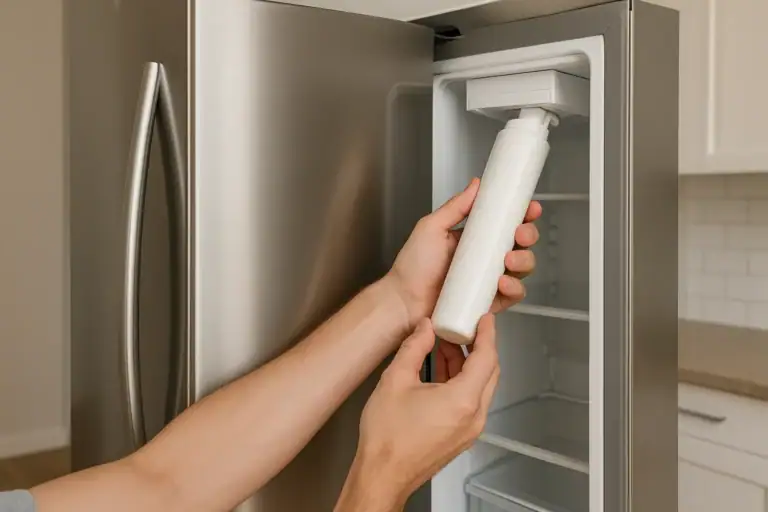 How to Safely Remove a Stuck Refrigerator Water Filter
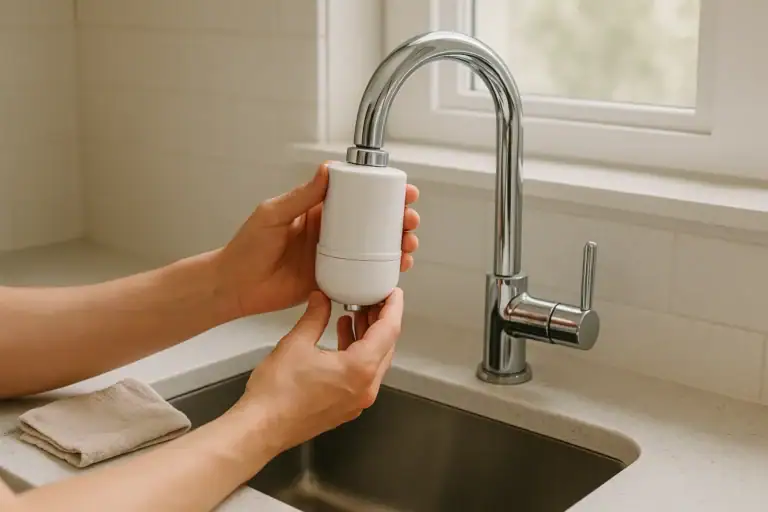 How to Fix a Leaking Faucet-Mount Water Filter
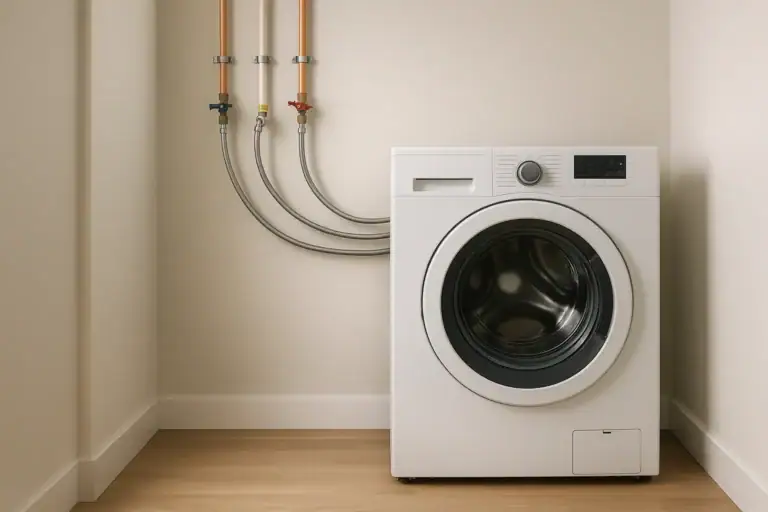 Troubleshooting Water Hammer After a Dishwasher or Washer Cycle