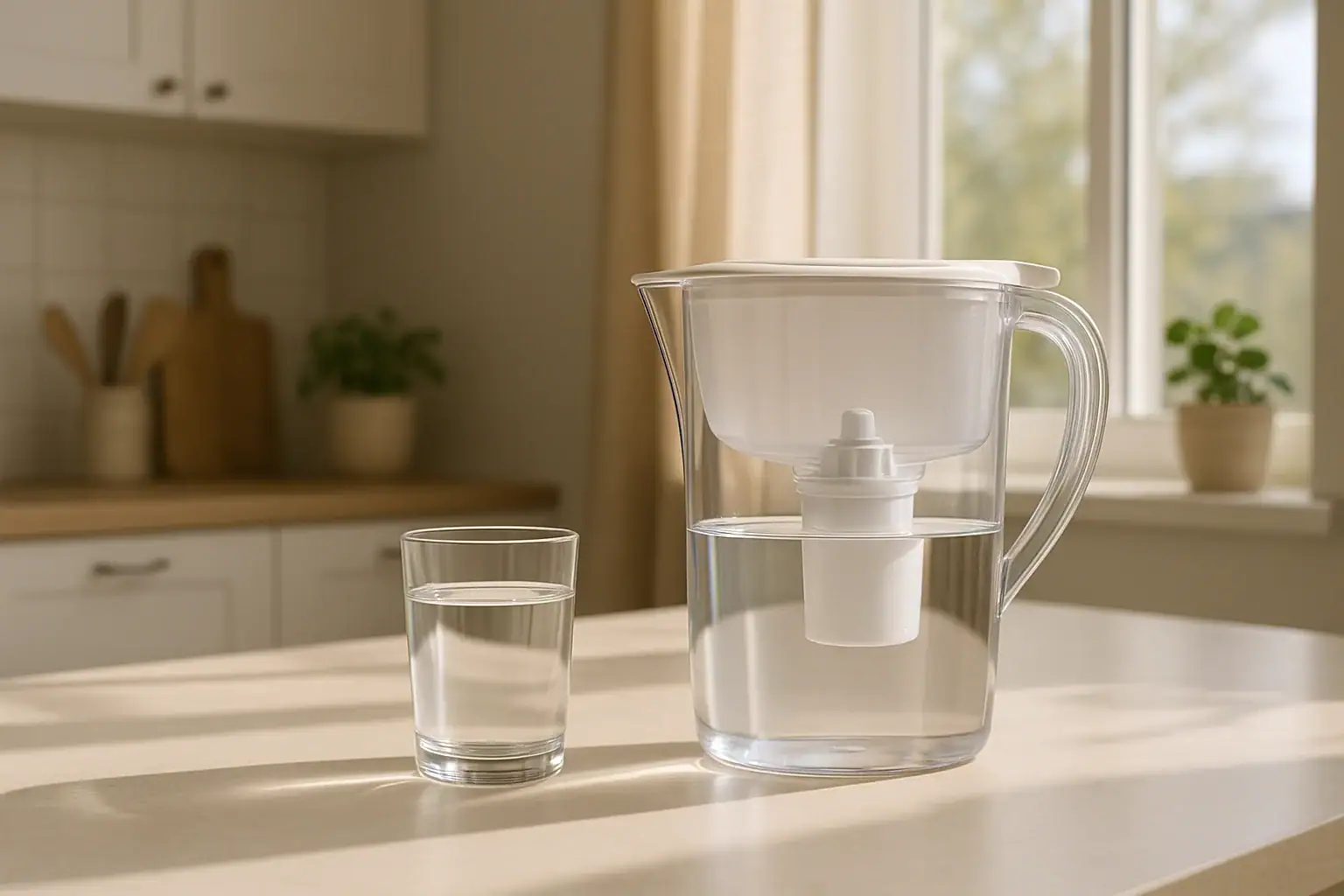
Water pitcher filters are one of the most common ways people try to improve their tap water at home. They are inexpensive, easy to use, and widely available. But performance can vary a lot from one product to another, and even the best pitcher filter is not always the right solution. Understanding what these filters can and cannot do helps you decide when a pitcher is worth the money, and when a different option might be smarter.
On this page(click to collapse)
- How Pitcher Filters Work
- What Pitcher Filters Usually Improve
- What Pitcher Filters Usually Do Not Do Well
- How to Judge Pitcher Filter Performance
- When a Pitcher Filter Is Worth It
- When a Pitcher Filter Is Not Enough
- How Your Local Water Quality Affects Performance
- Getting the Best Performance from a Pitcher Filter
- Comparing Pitcher Filters to Other Options
- How to Decide: Is a Pitcher Filter Right for You?
- Related guides
This guide walks through how pitcher filters work, what they typically remove, how to read performance claims, and how to match a filter to your home’s actual water quality. You will also learn when a pitcher filter shines, when it falls short, and which alternatives to consider if you need more protection or convenience. By the end, you should feel confident choosing the right setup for your kitchen and your budget.
How Pitcher Filters Work
Most water pitcher filters use a combination of activated carbon and some type of ion exchange media. Together, these materials trap or reduce certain substances as water passes through the cartridge and collects in the pitcher.
Main components inside a typical pitcher filter
- Activated carbon: A highly porous material that adsorbs many organic compounds, some disinfectant byproducts, and improves taste and odor.
- Ion exchange resin: Tiny beads that can swap ions in the water, often helping reduce certain metals or hardness-related minerals.
- Mechanical filtration: Fine screens or fibers that catch sediment, rust, and larger particles.
The exact performance depends on the design and quality of the cartridge. Some basic models only target chlorine and taste issues, while more advanced cartridges are designed to reduce a wider range of contaminants.
What Pitcher Filters Usually Improve
Pitcher filters are especially good at improving the everyday experience of drinking tap water. For many households on treated municipal water, this is their main value.
Common benefits
- Better taste and smell: By reducing chlorine and some organic compounds, water often tastes cleaner and less “pool-like.”
- Reduced visible particles: Sediment and rust are often trapped, so the water looks clearer.
- Some reduction of certain metals: Depending on the cartridge, there may be partial reduction of metals such as lead or copper.
- Convenience: No installation, no tools, and the pitcher can live in the fridge for chilled drinking water.
- Cost control: For many families, a pitcher is cheaper than bottled water over time.
If your main complaint is that your tap water tastes or smells off, a pitcher filter is often a simple, effective solution.
What Pitcher Filters Usually Do Not Do Well
Even the best-performing pitcher filter has limits. It is important not to assume that a pitcher can handle every water quality problem.
Typical limitations
- Microbiological contaminants: Most pitcher filters are not designed to remove bacteria, viruses, or parasites. They are intended for already treated, microbiologically safe water.
- Very high contaminant levels: If your water has serious contamination issues (for example, high lead from old plumbing), a pitcher may not provide enough protection on its own.
- Hardness and scale: Pitchers usually do not solve hard water problems that cause scale buildup in appliances.
- Fluoride: Most pitcher filters do not significantly reduce fluoride, unless specifically designed to do so.
- High-volume needs: For large families or heavy cooking, a small pitcher may be inconvenient because of frequent refilling.
If your water concerns involve health risks identified in testing, or if you rely on a private well, you may need a more robust system than a simple pitcher.
How to Judge Pitcher Filter Performance
Marketing claims can be confusing. Instead of relying on broad promises, look for specific information that tells you how a pitcher actually performs.
Check for independent testing
- Independent certifications or test reports: Look for proof that the filter has been tested by a recognized third party. These reports usually list which contaminants were tested and at what levels.
- Specific contaminant claims: “Improves taste” is vague. “Reduces chlorine, lead, and certain pesticides” is more meaningful.
- Performance over filter life: A good test report shows how performance changes as the cartridge is used, not just when it is brand new.
Understand reduction vs. removal
Pitcher filters usually reduce contaminants rather than remove them completely. For example, a filter might reduce a contaminant by 90 percent, not 100 percent. That can still be helpful, but it is important to know the difference when comparing options.
Look at capacity and flow
- Filter capacity: This is usually listed in gallons or liters. It tells you how much water the cartridge can treat before performance drops below the tested level.
- Flow rate: Some pitchers filter a full reservoir in a few minutes; others are slower. If you are impatient or have a busy household, this matters.
- Pitcher volume: Larger pitchers hold more filtered water but take up more refrigerator space and can be heavier to lift.
When a Pitcher Filter Is Worth It
For many households, a pitcher filter is a smart, cost-effective upgrade. It is especially useful in certain situations.
Good fit for treated municipal water
If you are on a public water supply that meets safety standards but tastes or smells unpleasant, a pitcher filter is often the easiest fix. In this case, you are mainly targeting:
- Chlorine taste and odor
- Musty or earthy flavors
- Minor sediment or discoloration
Here, the performance you care about is mostly about comfort and enjoyment, not emergency-level contaminant removal.
Good fit for renters and small kitchens
Pitcher filters shine when you cannot or do not want to modify plumbing:
- You rent and cannot install under-sink equipment.
- You live in a dorm, studio, or shared housing.
- You want a portable solution you can bring when you move.
In these cases, the ease of setup and flexibility often outweighs the limitations.
Good fit for budget-conscious households
Compared to buying bottled water, a pitcher filter can save money over time. It also reduces plastic waste. If your main goal is to avoid the cost and hassle of bottled water, a pitcher is usually worth it, as long as you keep up with cartridge changes.
When a Pitcher Filter Is Not Enough
There are situations where relying only on a pitcher filter is not a good idea. In these cases, you may need a more comprehensive system, or at least additional layers of protection.
If you have known contamination issues
If testing has shown elevated levels of contaminants such as lead, arsenic, nitrates, or certain industrial chemicals, a basic pitcher is unlikely to be sufficient. You may need:
- An under-sink filtration system with higher capacity and more advanced media
- A whole-house system if the issue affects bathing and laundry as well
- Point-of-use systems designed specifically for the contaminants found in your water
In these cases, a pitcher filter might still be used as a final polishing step for taste, but it should not be your primary line of defense.
If you rely on a private well
Private wells are not regulated the same way municipal systems are, so regular testing is crucial. Depending on the test results, you may need solutions that target:
- Microorganisms
- Iron, manganese, or sulfur odors
- High hardness levels
- Specific contaminants common in your region
Pitcher filters are not designed to correct serious well water problems. They are best used as a final step after primary treatment systems.
If you need high volume and convenience
For large families, frequent cooking, or heavy coffee and tea use, constantly refilling a pitcher can become frustrating. In that case, consider:
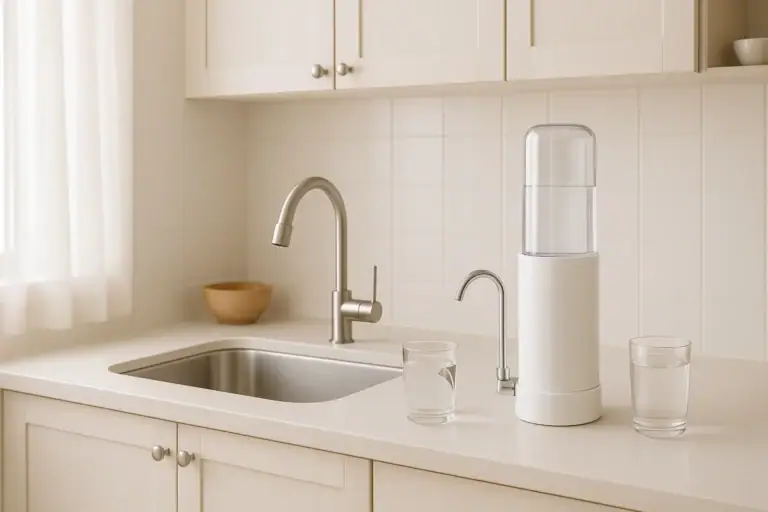
- An under-sink filter with a dedicated faucet
- A countertop system with higher flow
- A refrigerator with a built-in filtered dispenser
These options can provide similar or better filtration with less daily effort.
How Your Local Water Quality Affects Performance
The same pitcher filter can perform very differently depending on what is in your water to begin with. Before you choose a filter, it helps to understand your starting point.
Check your water quality report
If you are on a public water system in the United States, your supplier is required to provide an annual water quality report. This document usually lists:
- Detected contaminants and their levels
- Compliance with federal and state standards
- Source of your water (surface water, groundwater, or a mix)
Compare the contaminants listed in your report with the reduction claims on the pitcher filter you are considering. Focus on the substances that actually show up in your local water, not just a long list of potential contaminants.
Consider additional testing when needed
If you are on a private well, or if you suspect issues not covered in the public report, you may want a lab test of your tap water. This is especially important if:
- Your home has very old plumbing.
- There are known contamination concerns in your area.
- You notice sudden changes in taste, color, or odor.
Once you know what you are dealing with, you can decide whether a pitcher filter alone is enough or if you need a more advanced system.
Getting the Best Performance from a Pitcher Filter
Even a good pitcher filter will not perform well if it is used incorrectly or neglected. A few simple habits can make a big difference.
Follow the cartridge replacement schedule
- Do not stretch filter life too far: Cartridges are rated for a certain volume or time period. Pushing beyond that can reduce performance and may even release trapped material back into the water.
- Track your usage: Heavy use may mean you need to replace the filter more often than the basic guideline.
- Watch for signs of clogging: Slower flow can indicate that the filter media is full and needs changing.
Store and handle the pitcher properly
- Keep the pitcher in the refrigerator if you prefer cold water and to limit bacterial growth in the reservoir.
- Wash the pitcher and lid regularly with mild soap and water, following the manufacturer’s instructions.
- Avoid exposing the filter cartridge to hot water, which can damage the media.
Prime the filter as directed
New cartridges often require flushing or soaking before use. This step helps remove loose carbon fines and ensures the media is fully wetted. Skipping it can affect both taste and performance in the first few batches of water.
Comparing Pitcher Filters to Other Options
To decide whether a pitcher filter is worth it for your home, it helps to compare it to other common systems in terms of cost, performance, and convenience.
Pitcher filters vs. faucet-mounted filters
- Pitchers: No tools, portable, good for chilled drinking water, but limited volume and slower.
- Faucet-mounted: Higher flow and on-demand filtering, but can be bulky on the sink and may not fit all faucets.
Pitcher filters vs. under-sink systems
- Pitchers: Lower upfront cost, no installation, but more daily effort and smaller capacity.
- Under-sink systems: Higher upfront cost and installation, but more convenient for families and often better contaminant reduction.
Pitcher filters vs. bottled water
- Pitchers: Lower long-term cost, less plastic waste, and consistent access at home.
- Bottled water: Convenient on the go, but more expensive over time and creates more waste.
If you mainly drink water at home and want to cut back on bottled water, a pitcher filter can be an effective middle ground.
How to Decide: Is a Pitcher Filter Right for You?
To decide whether a pitcher filter is worth it in your situation, walk through a few key questions.
1. What is your main goal?
- Better taste and smell only? A pitcher filter is often enough.
- Specific contaminant concerns? Check test results and match them to a filter with proven reduction claims.
- Serious water quality problems? Consider more advanced systems and use a pitcher only as a supplement.
2. How much water do you need each day?
- Small household or individual: A pitcher is usually convenient.
- Large family or heavy cooking: You may outgrow a pitcher quickly and prefer an under-sink or faucet-mounted system.
3. What is your budget and living situation?
- Renting or moving soon: A pitcher is flexible and portable.
- Long-term home: It may be worth investing in a more permanent system if you want higher performance.
By answering these questions and comparing them with the strengths and limits of pitcher filters, you can make a clear, practical choice for your kitchen.
Recommended next:
Related posts
Browse this topic →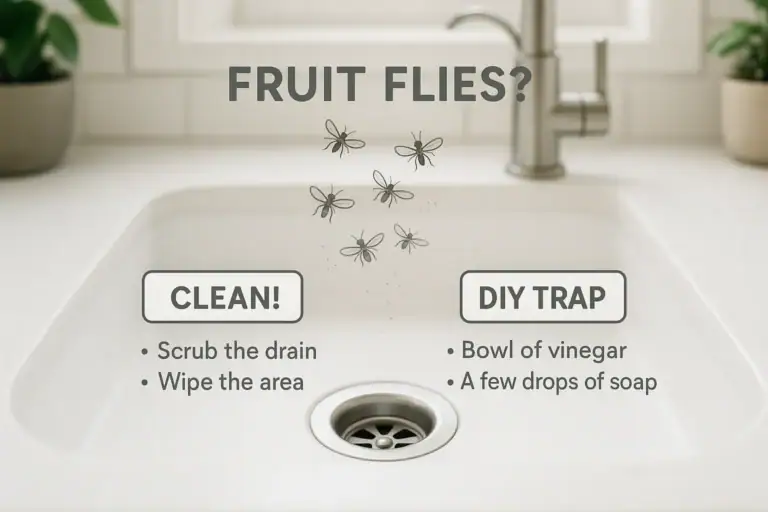
Fruit Flies in Sink Drain: Prevention, Traps, and Troubleshooting Tips
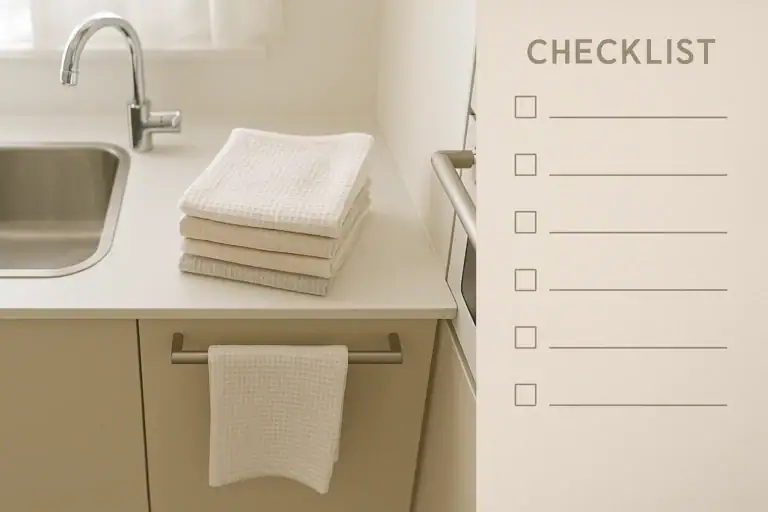
Kitchen Towel Hygiene: A Practical Checklist for Rotation and Washing Habits
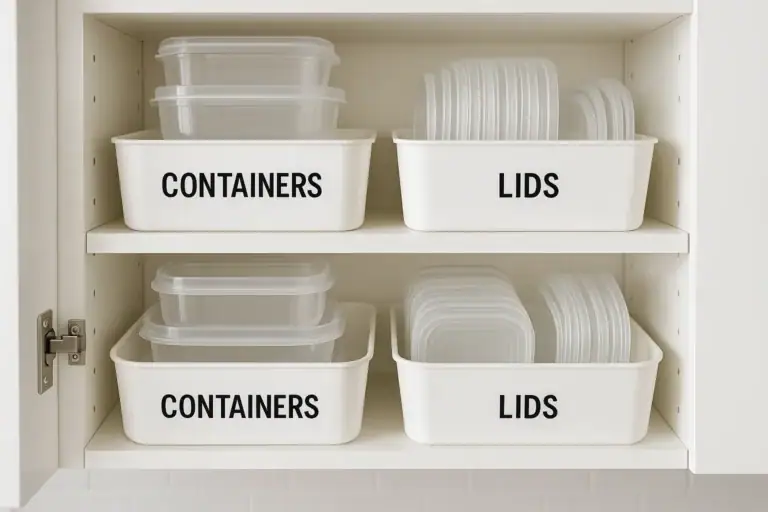
Food Storage Container Organization and Stain Removal Made Simple
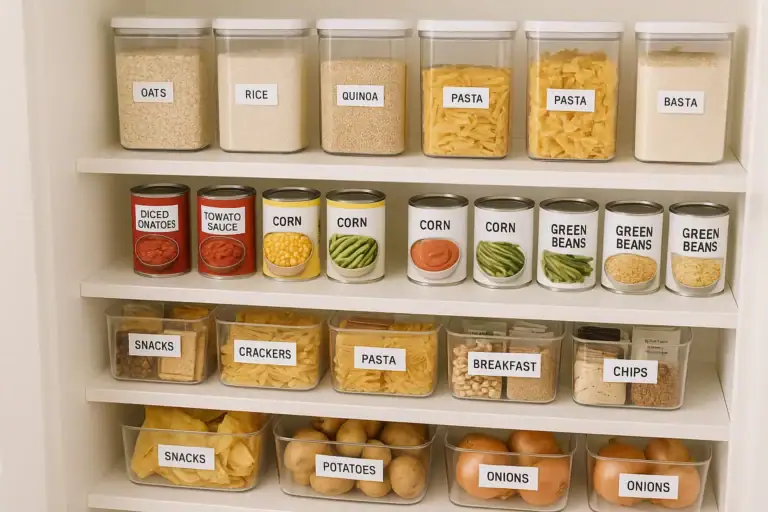
How to Set Up a Pantry Inventory System with FIFO for Busy Kitchens
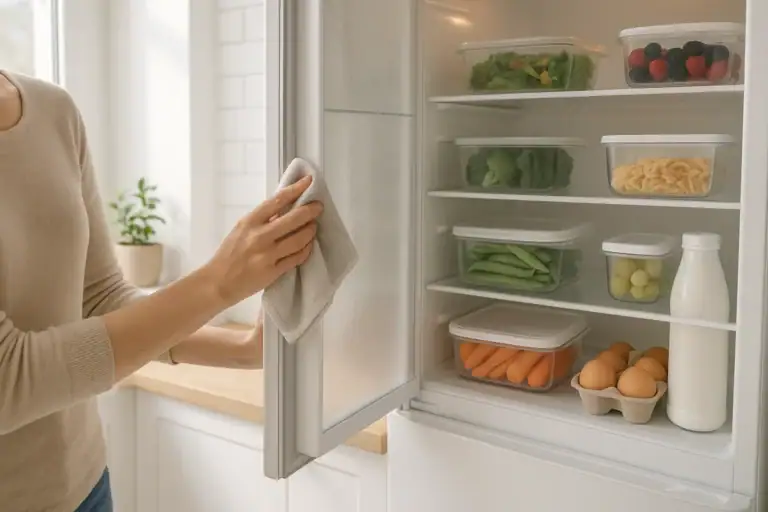
Condensation Inside Your Refrigerator: Causes, Fixes, and Prevention
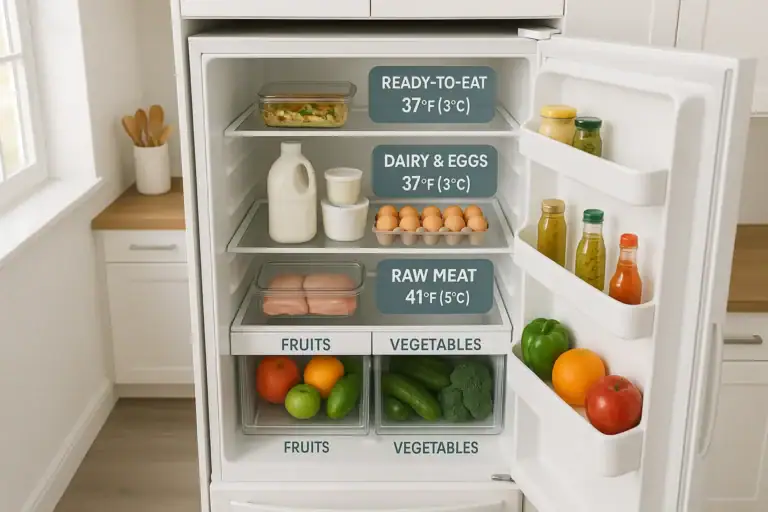
Refrigerator Temperature Zones: A Food Safety Guide for Every Shelf
Keep reading
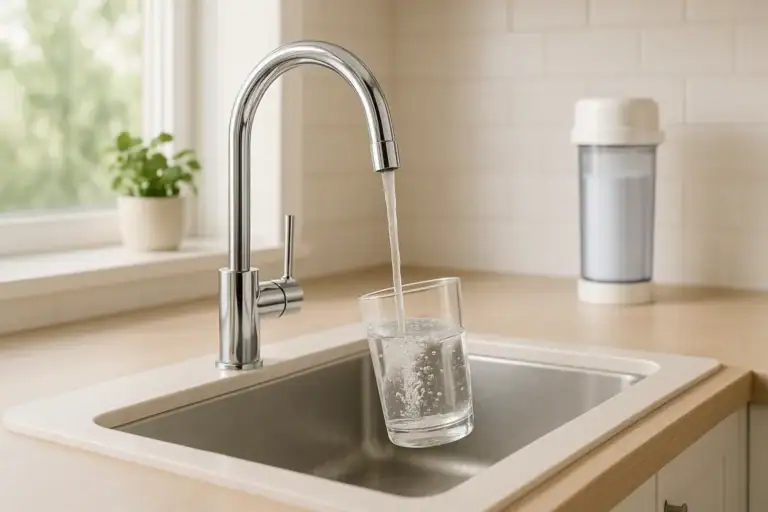
About this site
Signature Home Guide publishes practical, independent home guides. We aim to be clear, helpful, and transparent.
Affiliate disclosure
As an Amazon Associate, we earn from qualifying purchases. Some links on this site may be affiliate links. If you buy through these links, we may earn a small commission at no extra cost to you. This helps support our content. Learn more.