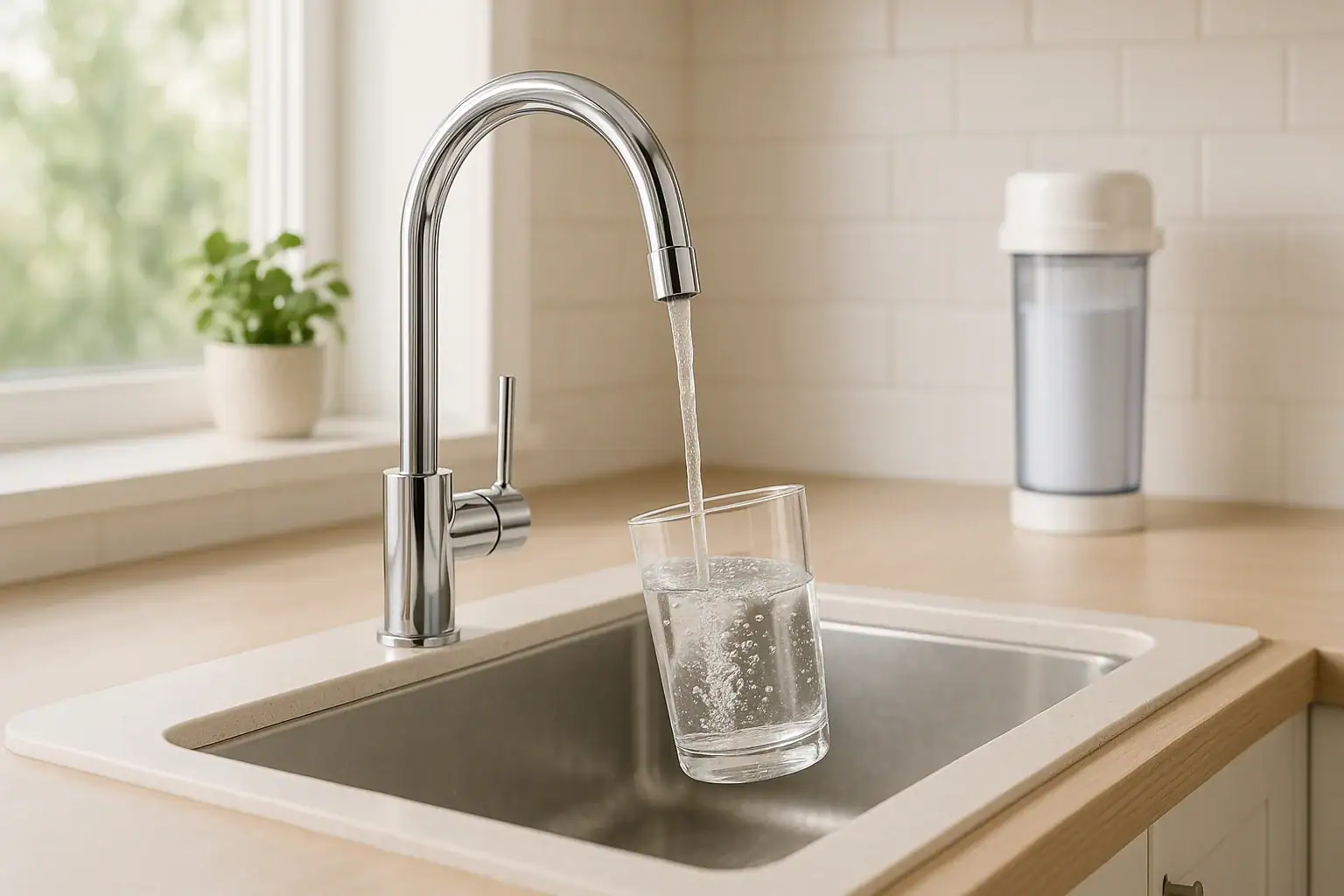
Clean, reliable drinking water is something most households rely on every single day, yet many people install a water filter and then forget about it. Over time, filters clog with sediment, lose effectiveness, and can even harbor bacteria if they are not maintained correctly. A neglected filter can slow your water to a trickle, develop unpleasant tastes or odors, and fail to remove the very contaminants you were trying to avoid. With a simple routine, you can keep your system running safely and efficiently, protect your plumbing fixtures, and enjoy clear water at a steady flow rate. This guide walks through how water filters work, the signs they need attention, and step‑by‑step maintenance practices that fit into a normal household schedule.
How Home Water Filters Work and Why Maintenance Matters
Most home water filters work by passing water through a medium that traps or reduces unwanted substances. That medium might be a cartridge, a membrane, a bed of loose media, or a combination of stages. As water flows through, the filter collects sediment, rust, organic material, and other particles. Some systems also reduce chlorine, lead, and other dissolved contaminants.
Over time, the filter media fills up. When that happens, two things occur:
- Flow rate drops: Water struggles to pass through the clogged media, so faucets and fixtures deliver water more slowly.
- Performance declines: A saturated filter cannot capture contaminants as effectively, and in some cases, trapped material can break loose and re‑enter your water.
In addition, a filter that stays wet and dirty for too long can become a comfortable environment for bacteria. While many systems are designed to minimize this risk, maintenance is still essential. Regular cleaning and timely replacement of filter elements keep your water safer and your system working as designed.
Common Types of Home Water Filters and Their Needs
Different filter types require different maintenance steps and schedules. Understanding what you have in your home is the first step to taking care of it properly.
Pitcher and Countertop Filters
Pitcher and small countertop units are popular for drinking water. They typically use a simple cartridge that snaps into place.
- Typical maintenance: Replace cartridges every 1 to 3 months, depending on usage and water quality.
- Bacteria risk: Stagnant water in a pitcher can encourage microbial growth, especially if kept at room temperature.
- Flow concerns: A clogged cartridge slows refilling and may cause uneven flow through the filter.
Under‑Sink and Faucet‑Mounted Filters
Under‑sink cartridges and faucet‑mounted filters treat water at a single tap. They may use carbon blocks, sediment filters, or multi‑stage cartridges.
- Typical maintenance: Replace cartridges every 3 to 12 months, based on manufacturer guidance and water usage.
- Bacteria risk: Long‑overdue cartridges can harbor biofilm, especially in warm, low‑flow conditions.
- Flow concerns: You will often notice a clear drop in flow at the sink as cartridges clog with sediment.
Whole‑House (Point‑of‑Entry) Filters
Whole‑house filters treat water as it enters your home, protecting plumbing, appliances, and fixtures.
- Typical maintenance: Replace sediment cartridges every 3 to 6 months and other media as recommended.
- Bacteria risk: Large housings can trap stagnant water if not flushed regularly, especially in low‑use homes.
- Flow concerns: A clogged whole‑house filter can reduce water pressure throughout the home.
Reverse Osmosis Systems
Reverse osmosis (RO) systems use multiple stages, including pre‑filters, a membrane, and post‑filters, to reduce many dissolved solids.
- Typical maintenance: Pre‑filters every 6 to 12 months, membranes every 2 to 3 years, post‑filters about once a year.
- Bacteria risk: Storage tanks and lines can develop biofilm if not sanitized periodically.
- Flow concerns: A fouled membrane or clogged pre‑filter will noticeably slow production and tank refill time.
Refrigerator and Ice‑Maker Filters
Many refrigerators include built‑in filters for drinking water and ice.
- Typical maintenance: Replace filter cartridges every 6 months or as indicated by a status light.
- Bacteria risk: Old filters and rarely used dispensers can allow stagnant water to sit in lines.
- Flow concerns: A clogged filter often shows up as a slow dispenser or small ice cubes.
Signs Your Water Filter Needs Attention
Instead of waiting for a calendar reminder, pay attention to how your water looks, tastes, and flows. These warning signs suggest your filter needs cleaning or replacement:
- Noticeably slower flow: Faucets, showerheads, or dispensers that used to run strong now feel weak or take longer to fill containers.
- Cloudy or discolored water: Sediment breaking through a saturated filter can make water appear hazy or slightly tinted.
- Unpleasant taste or odor: Musty, earthy, or metallic notes may mean the filter media is exhausted or harboring buildup.
- Visible debris in cartridges: When you open a housing, the cartridge looks heavily stained, slimy, or covered in deposits.
- Past‑due replacement date: If you cannot remember the last time you changed a filter, it is likely overdue.
Addressing these signs early helps prevent bacteria from settling in and keeps your system from straining against clogged media, which can reduce flow and stress plumbing components.
How Bacteria Grow in Water Filters
Even treated municipal water can contain small numbers of microorganisms. In most cases, these do not cause problems, but a neglected filter can give them a place to multiply. Understanding how this happens helps you avoid it.
Conditions That Encourage Bacterial Growth
- Warm temperatures: Filters located in warm rooms, near appliances, or in direct sunlight can reach temperatures that support microbial growth.
- Stagnant water: Long periods without water use allow water to sit inside housings, tubing, and cartridges.
- Trapped nutrients: Sediment and organic material captured by the filter can serve as food for bacteria.
- Worn‑out media: As filter media breaks down, it can create rough surfaces where biofilm more easily attaches.
Why This Matters for Your Home
While not every bacterium is harmful, a filter that supports microbial growth can release cells and byproducts into your water. This can lead to off tastes, odors, and potential health concerns for vulnerable individuals. Regular maintenance interrupts this cycle by removing accumulated material and, when appropriate, using disinfectants approved for household plumbing.
Routine Water Filter Maintenance to Avoid Bacteria
A consistent routine is the most effective way to keep bacteria from taking hold in your water filter system. The following steps apply broadly to many home setups. Always compare them with the instructions that came with your specific system.
1. Follow a Replacement Schedule
Start by writing down or saving the recommended replacement intervals for each filter in your home. Then, adjust them based on your actual experience with flow and water quality.
- Mark replacement dates on the filter housing with a permanent marker.
- Set reminders in a calendar or phone app for one or two weeks before each due date.
- Keep at least one spare cartridge on hand so you are not tempted to delay changes.
2. Flush New Filters Thoroughly
New cartridges often need to be flushed to remove fine particles and activate the media. This step also helps rinse away any residue from manufacturing or packaging.
- Run cold water through the new filter for the time specified in the instructions, often several minutes.
- Discard the first few gallons of filtered water from pitchers, under‑sink units, or refrigerators.
- Check that the water runs clear and that any initial cloudiness or tiny bubbles disappear.
3. Clean Housings and Accessible Parts
Whenever you replace a cartridge, take a few extra minutes to clean the inside of the housing and any removable parts.
- Turn off the water supply to the filter and relieve pressure by opening a nearby faucet.
- Unscrew the housing or open the compartment, catching any water in a shallow pan.
- Remove the used cartridge and dispose of it according to local rules.
- Wash the inside of the housing with warm water and a small amount of mild dish soap.
- Use a soft brush or clean cloth to remove visible film or sediment.
- Rinse thoroughly until no soap remains.
4. Disinfect When Needed
In some cases, especially if you notice slime, moldy odors, or have gone a long time between changes, a light disinfection step can help control bacteria.
- After cleaning and rinsing, prepare a mild disinfecting solution using unscented household bleach and clean water, following label directions.
- Pour a small amount of this solution into the empty housing.
- Reassemble the housing without the cartridge, if recommended, and slowly turn on the water to fill the housing with the solution.
- Let it sit for the contact time suggested on the bleach label, usually several minutes.
- Turn off the water, remove the housing, and rinse thoroughly with clean water.
- Install the new cartridge and flush the system as directed.
Always verify that disinfectants are safe for potable water systems and follow all safety instructions, including ventilation and protective gear where appropriate.
5. Avoid Long Periods of Stagnant Water
Stagnant water encourages bacteria, so try to keep water moving through your filters.
- Run water through each filter at least once every few days, even if you are not using it regularly.
- If you are leaving home for more than a week, consider turning off certain systems and flushing them thoroughly when you return.
- For vacation homes, schedule a full filter change and system flush at the start of each season.
Keeping a Strong Flow Rate Without Sacrificing Filtration
Many homeowners first notice filter problems when the water slows to a frustrating trickle. While some drop in flow is normal as a filter does its job, excessive restriction is usually a sign that something needs attention.
Choose the Right Filter Size and Type
- Match capacity to demand: A small cartridge serving an entire household may clog quickly. Larger cartridges or multiple stages can handle higher flow.
- Use staged filtration: A sediment pre‑filter before a finer filter or membrane can catch larger particles and protect the more delicate stages.
- Consider micron rating: Very tight filters capture smaller particles but may reduce flow more quickly. Balance your water quality needs with practical flow.
Monitor Household Water Pressure
Low incoming water pressure can make filter‑related flow issues worse. If your home pressure is already on the low side, you may notice slow flow sooner than someone with higher pressure.
- Use a simple pressure gauge on an outdoor spigot to check your home’s baseline pressure.
- If pressure is consistently low, consult a plumbing professional about possible causes and solutions.
- A pressure regulator that is set too low can sometimes be adjusted to improve overall performance.
Replace Filters Before They Are Completely Clogged
Waiting until water flow nearly stops puts stress on your plumbing and can push trapped material through the media. Replacing filters slightly ahead of schedule helps maintain a comfortable flow and better filtration.
- Note the first time you see a noticeable drop in flow and use that as a personal reminder for future changes.
- If your water is especially hard or sediment‑heavy, shorten the replacement interval.
- Consider installing a simple pressure gauge before and after a whole‑house filter to track how much restriction it is adding.
Safe Handling and Storage of Filter Cartridges
How you handle and store filters can also affect bacteria and flow performance.
Before Installation
- Store new cartridges in a cool, dry place away from direct sunlight.
- Keep them in their original sealed packaging until just before use.
- Check expiration dates and avoid using cartridges that are past their recommended shelf life.
During Installation
- Wash your hands before handling filter media.
- Avoid touching the surfaces that water will flow through whenever possible.
- Inspect O‑rings and seals for cracks or debris that could cause leaks or bypass.
After Removal
- Place used cartridges directly into a trash bag to avoid spreading wet debris.
- Do not attempt to reuse disposable cartridges by rinsing or scraping them.
- Wipe up any spills around the housing to discourage mold and mildew.
Special Considerations for Well Water and Older Plumbing
Some homes face extra challenges that make filter maintenance even more important.
Private Well Systems
If your home uses a private well, water quality can vary with seasons, rainfall, and nearby activity.
- Schedule regular water testing to understand your specific contaminants and bacteria levels.
- Expect to replace sediment filters more frequently if your well produces a lot of sand or silt.
- Work with a water professional if tests show persistent bacterial contamination, as treatment may be needed at the source.
Older Pipes and Fixtures
Homes with aging plumbing can shed rust and scale into the water, which clogs filters faster.
- Install a sediment pre‑filter at the point where water enters your home to protect downstream filters.
- Plan on shorter replacement intervals for cartridges until the system stabilizes.
- Consider having a plumber inspect pipes and fixtures if you see frequent rust or discoloration.
Creating a Simple Home Water Filter Maintenance Plan
Putting everything together into a clear plan makes it easier to stay on top of maintenance and avoid surprises.
Step 1: List All Filters in Your Home
- Whole‑house filters
- Under‑sink or countertop units
- Refrigerator and ice‑maker filters
- Pitchers and dispensers
- Reverse osmosis systems
Step 2: Record Recommended Intervals
Check manuals or labels and write down how often each filter should be replaced. If you do not have the manual, look for a model number on the housing and search for a digital copy.
Step 3: Set Calendar Reminders
Use a digital calendar or household planner to schedule changes throughout the year. Staggering them can make the cost and effort more manageable.
Step 4: Keep Basic Supplies on Hand
- Spare cartridges for each system
- A housing wrench if your system requires one
- Replacement O‑rings and food‑grade lubricant
- Mild dish soap and a dedicated cleaning brush
- An approved disinfectant for occasional sanitizing
Step 5: Review Performance Twice a Year
At least twice a year, take a few minutes to walk through your home and evaluate each filter. Note any recurring issues with flow, taste, or appearance, and adjust your schedule if needed.
When to Call a Professional
Most routine water filter maintenance is within reach for a handy homeowner, but some situations call for expert help.
- Persistent low flow even after replacing filters and checking valves
- Visible leaks around housings or plumbing connections
- Repeated bacterial test failures in well water or household taps
- Complicated systems with multiple stages, storage tanks, and pumps
A qualified water treatment or plumbing professional can evaluate your setup, suggest improvements, and ensure that any disinfection or repairs are done safely.
Key Takeaways for Safe, Steady Water at Home
Maintaining your water filters does not need to be complicated or time‑consuming. By understanding how your system works, watching for early signs of trouble, and following a simple schedule, you can:
- Reduce the risk of bacteria growing in filter housings and cartridges
- Keep a comfortable, reliable flow rate at taps and fixtures
- Extend the life of plumbing, appliances, and fixtures
- Enjoy better‑tasting, clearer water every day
With a little planning and regular care, your home water filtration system can continue to support a healthier kitchen and a more comfortable home for years to come.
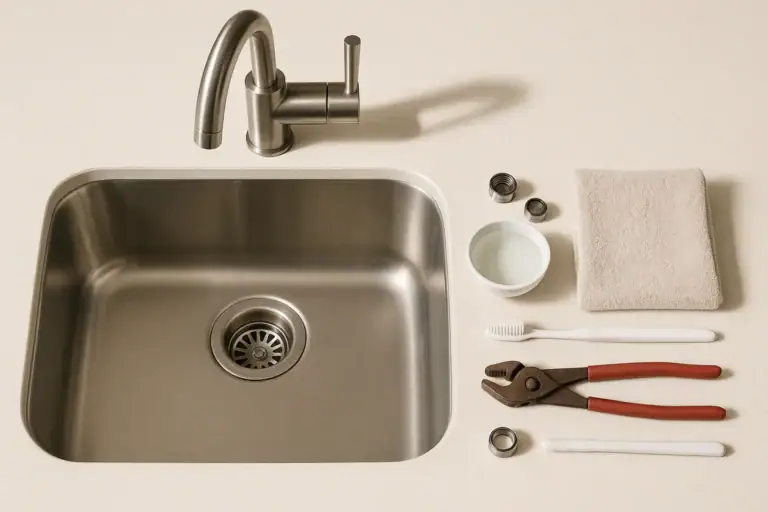 Kitchen Sink Aerator Cleaning for Low Water Flow: A Step-by-Step Guide
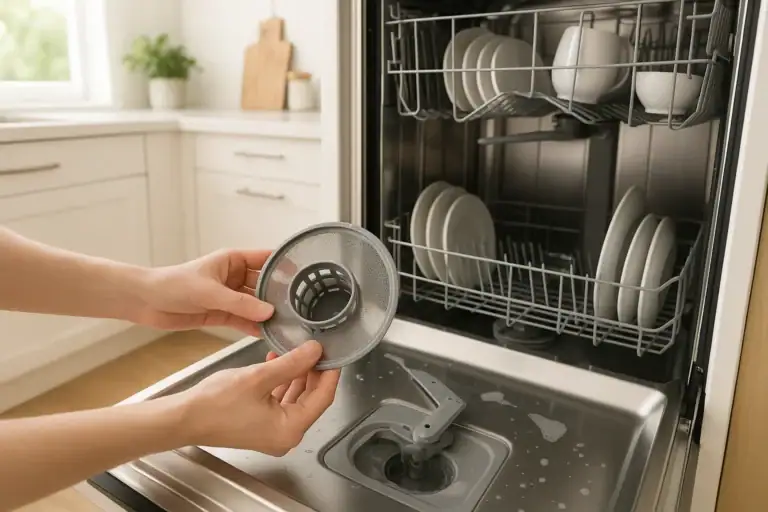 How to Clean a Dishwasher Filter Step by Step for Sparkling Dishes
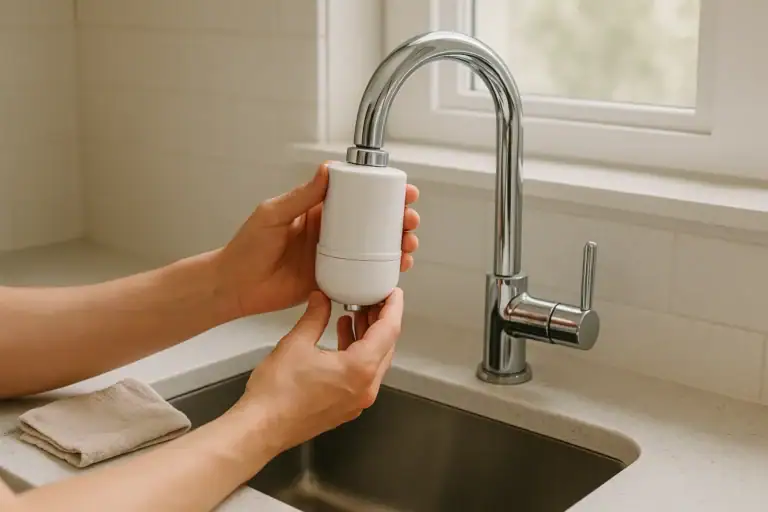 How to Fix a Leaking Faucet-Mount Water Filter